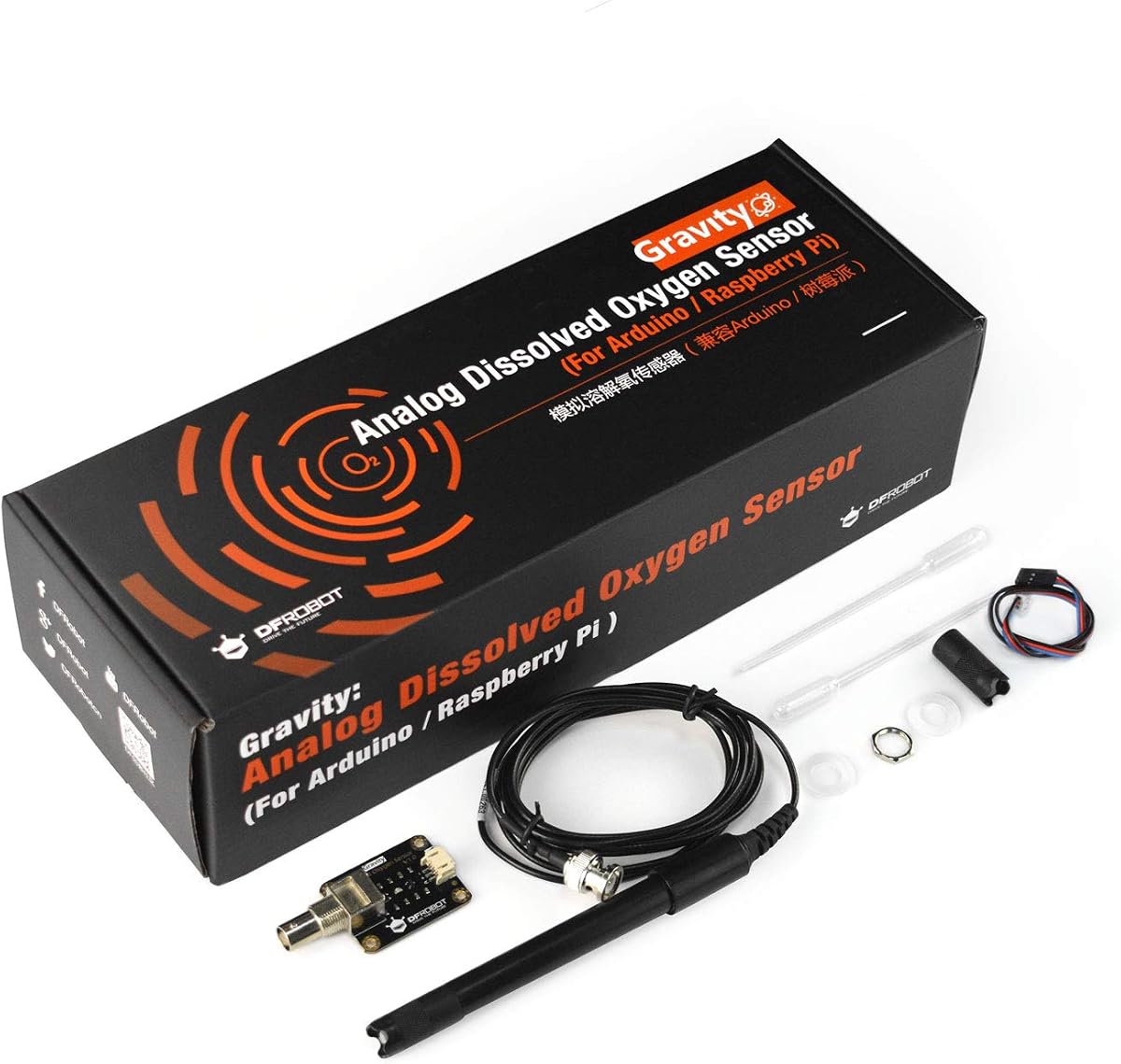
Gravity: Analog Dissolved Oxygen Sensor Kit
4.4Editor score
Instant reading galvanic probe
Wide voltage range
Low maintenance design
This comprehensive guide compares the top dissolved oxygen sensors 2 for water quality monitoring across industrial, laboratory, and hobbyist applications.
Choosing the right dissolved oxygen sensor is critical for maintaining water quality in aquaculture, wastewater treatment, and environmental monitoring. Accurate measurements ensure the health of aquatic life and compliance with strict regulatory standards across various industries today.
Our team evaluated ten leading models based on accuracy, ease of use, durability, and compatibility with different systems. We focused on features like calibration methods, sensor types, and connectivity options to help you find the perfect fit.
Each pick below highlights specific strengths and ideal use cases to guide your decision. Note that availability and pricing fluctuate frequently, so verify current stock and costs directly with the retailer before purchasing your equipment.
4.4Editor score

4.8Editor score

The following table provides a side by side overview of key specifications and capabilities for each model to help you quickly identify the right solution for your specific monitoring needs.

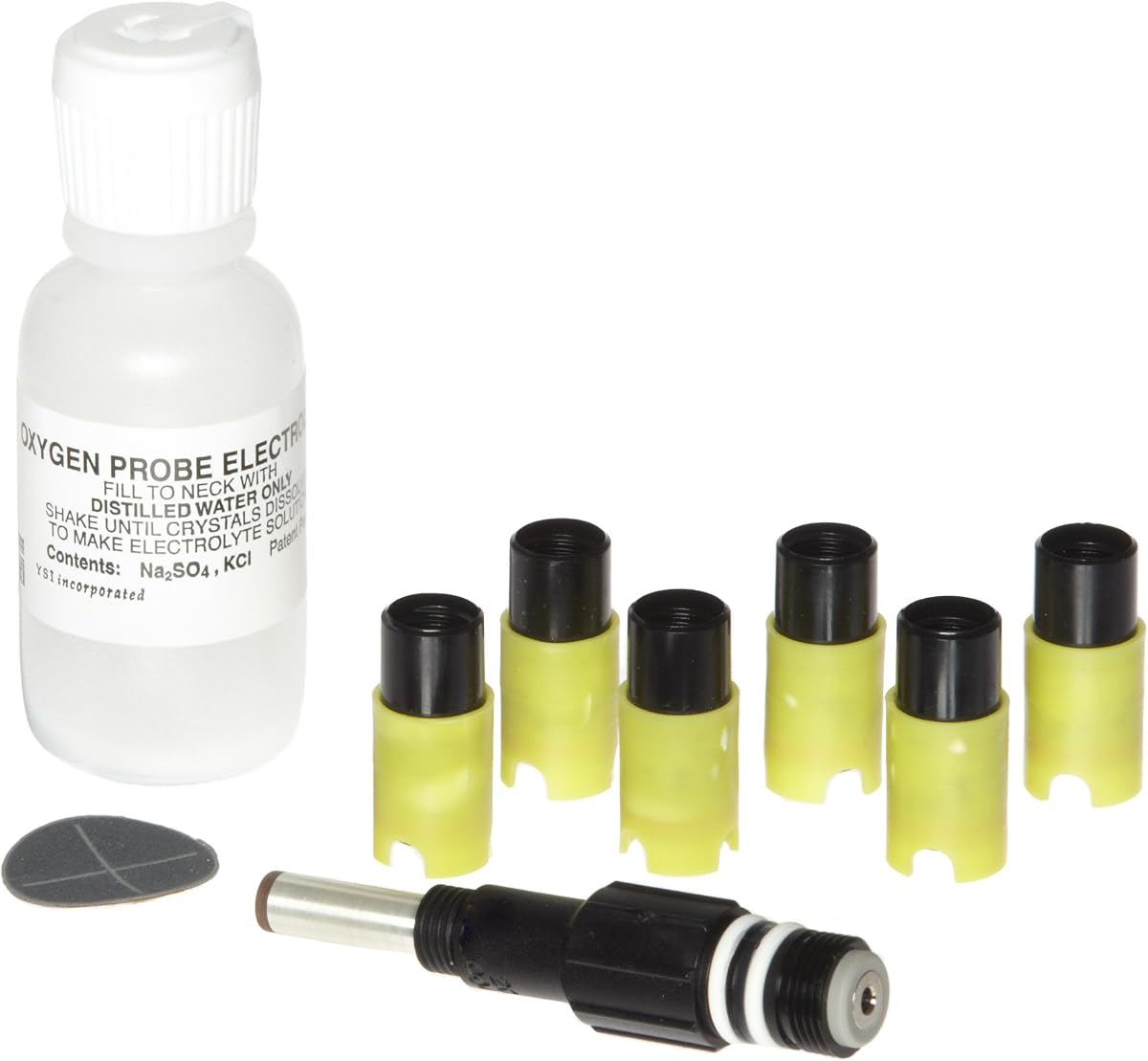


This sensor stands out as the top choice for professionals requiring consistent accuracy. With a strong rating and robust design it delivers reliable data for critical applications.
We may earn a commission when you buy through this link, at no additional cost to you.
The galvanic technology eliminates the need for polarization, allowing for immediate readings. Its user replaceable nature means you can swap components quickly without specialized tools.
While the initial investment is higher, the longevity and ease of maintenance offset the cost. Membrane changes are straightforward ensuring minimal downtime during operations.
Ideal for industrial labs and aquaculture facilities where precision is non negotiable. We recommend this for users who prioritize performance over upfront cost.
The screw on cap membranes simplify routine upkeep significantly.
Engineered for long term durability even in harsh environments.
We may earn a commission when you buy through this link, at no additional cost to you.
This kit is perfect for hobbyists and developers building custom water monitoring systems. It offers professional grade features at a fraction of the cost.
We may earn a commission when you buy through this link, at no additional cost to you.
The galvanic probe allows for instant measurements without pre heating. This makes it ideal for intermittent power setups common in remote sensors.
Hardware filtering ensures stable signals without complex software tweaks. You get a clean analog output ready for microcontrollers like Arduino or ESP32.
Best for students and makers prototyping smart aquaculture solutions. Just remember to source the NaOH solution separately before you begin testing.
Compatible with standard 3.3V to 5V logic levels.
Replaceable parts keep long term running costs low.
We may earn a commission when you buy through this link, at no additional cost to you.
This tester bridges the gap between field work and digital data management. It connects wirelessly to your phone for real time analysis anywhere.
We may earn a commission when you buy through this link, at no additional cost to you.
The rugged housing floats on water surfaces protecting the unit from accidental drops. This makes it exceptionally safe for pond and river monitoring.
Exporting records via email simplifies reporting for research or compliance. The multilingual app ensures accessibility for users in different regions globally.
Perfect for field researchers and mobile teams needing quick insights. It combines durability with modern connectivity for a seamless workflow.
Sealed construction protects internal circuits from moisture.
Organize and share your water quality logs effortlessly.
We may earn a commission when you buy through this link, at no additional cost to you.
This model is tailored for laboratory environments where precision is paramount. It uses polarographic technology to ensure consistent and accurate readings.
We may earn a commission when you buy through this link, at no additional cost to you.
The compact packaging makes it easy to store and transport between stations. YSI is known for manufacturing sensors that withstand rigorous daily use.
Users should be aware that polarographic sensors require a warm up period. This adds a few steps to the workflow but ensures data integrity.
Recommended for academic and clinical labs needing verified measurement standards. Its design prioritizes accuracy over speed for controlled settings.
Engineered to meet strict research and testing requirements.
Fits seamlessly into existing laboratory infrastructure.
We may earn a commission when you buy through this link, at no additional cost to you.
This meter is built for users who need to track data over time. Its memory capacity allows you to store readings directly on the device.
We may earn a commission when you buy through this link, at no additional cost to you.
The long cable provides flexibility for deep tanks or hard to reach spots. You can monitor water levels without lifting the entire unit.
Manual salt compensation gives you control but requires input before testing. This feature is crucial for brackish water aquaculture applications.
Suitable for aquarium hobbyists and small scale fish farmers. It offers a balance of features and usability for regular tank checks.
Test deep water without moving your main equipment.
Store readings to spot trends in water quality.
We may earn a commission when you buy through this link, at no additional cost to you.
This complete kit provides everything you need for immediate deployment. It is designed for portable use where you move from site to site.
We may earn a commission when you buy through this link, at no additional cost to you.
The resolution allows you to detect small changes in oxygen levels. This sensitivity is vital for sensitive biological systems and research.
Manual inputs for barometric pressure allow for precise local adjustments. You can ensure your readings reflect the exact environmental conditions.
Ideal for field technicians needing a reliable standalone tool. It combines accuracy with portability for diverse testing environments.
Includes meter probe and essentials for immediate use.
Adjust settings manually to match local conditions.
We may earn a commission when you buy through this link, at no additional cost to you.
Optical sensors represent the next generation of dissolved oxygen measurement. This unit pairs with the ProDSS system for advanced data logging.
We may earn a commission when you buy through this link, at no additional cost to you.
Unlike galvanic probes, optical sensors do not consume oxygen during measurement. This means you get more consistent data over time.
The sensor head is built to resist fouling and physical damage. It reduces the frequency of replacements and calibration needs significantly.
Best for large scale environmental monitoring and industrial plants. It is a long term investment in reliable and stable data.
Non consumptive measurement ensures consistent results.
Designed to work seamlessly with ProDSS platforms.
We may earn a commission when you buy through this link, at no additional cost to you.
This meter focuses on simplifying the calibration process for daily users. Two point auto calibration ensures accuracy without manual complexity.
We may earn a commission when you buy through this link, at no additional cost to you.
The modular design lets you replace just the electrode if needed. This extends the life of the main unit and saves money.
Response times are fast at under fifteen seconds for real time feedback. You get quick data to make immediate adjustments to your systems.
Great for aquaculture and home aquariums needing reliable checks. It balances ease of use with professional grade accuracy.
Streamlined setup reduces user error significantly.
Replaceable parts keep your meter running longer.
We may earn a commission when you buy through this link, at no additional cost to you.
This meter comes ready to use with all necessary fluids and powders. You do not need to buy extras to start testing immediately.
We may earn a commission when you buy through this link, at no additional cost to you.
The wide range covers both fresh and high oxygen environments. It is versatile enough for brewing wastewater and general aquarium needs.
Auto shutdown preserves battery life during long field sessions. You can rely on it for extended use without frequent power swaps.
Perfect for new users wanting a ready to go solution. It removes the barrier of setup complexity for quick deployment.
Includes all fluids for immediate calibration.
Handles diverse testing environments easily.
We may earn a commission when you buy through this link, at no additional cost to you.
Designed for industrial environments this sensor offers extreme durability. It handles tough conditions where smaller units might fail.
We may earn a commission when you buy through this link, at no additional cost to you.
The ten meter cable allows deep placement in tanks or rivers. You can reach areas inaccessible to standard handheld devices.
Its robust construction reduces maintenance costs over time. Reliability is the key focus for large scale operations.
Best for wastewater plants and heavy industry monitoring. It delivers the stability needed for critical regulatory compliance.
Access deep water sources with ease.
Built to withstand harsh chemical and physical conditions.
We may earn a commission when you buy through this link, at no additional cost to you.
Selecting the right sensor depends on your specific application environment and technical requirements. Consider these factors to match a model to your needs.
There are three main types of DO sensors available: polarographic, galvanic, and optical. Polarographic sensors are traditional and accurate but need polarization time. Galvanic probes are ready instantly and are great for intermittent use. Optical sensors offer high stability and low maintenance but cost more.
Choose galvanic or optical for faster response times and easier maintenance.
Accuracy determines how close your reading is to the true value while resolution shows the smallest detectable change. For lab work you need high resolution like 0.01 ppm. Field work may tolerate slightly lower specs.
Prioritize accuracy for regulatory compliance and research applications.
Calibration ensures your sensor stays accurate over time. Some models offer auto calibration buttons or two point support while others need manual steps. Frequent calibration is common in dirty water environments.
Look for auto calibration features to save time and reduce error.
Modern sensors often include digital outputs or wireless connectivity for data logging. If you need to track trends over time check for app support or data export capabilities. Analog outputs are simpler but lack direct logging.
Smartphone or USB connectivity is essential for long term monitoring.
The physical build quality matters if you work outdoors or in rough conditions. Look for waterproof ratings and rugged materials like ABS or metal. Floating designs can protect the unit if it drops in water.
Ensure the housing matches your environmental exposure and handling style.
Some sensors require frequent membrane changes or electrolyte refills. Others like optical models are sealed and need less attention. Consider the long term cost of consumables when budgeting for your project.
Opt for low maintenance designs if you need unattended operation.
Check the measurement range to ensure it covers your expected levels. Deep tanks require long cables to reach the bottom. Verify the maximum depth rating of your probe before purchasing.
Select a cable length that reaches your deepest test point comfortably.
Battery life is critical for field testing. Rechargeable options reduce waste while AA or AAA batteries offer convenience. Check if the device supports solar or external power for continuous monitoring.
Choose a power source that fits your usage duration and location.
Begin by calibrating your sensor in zero oxygen and saturation solutions as per the manual. This establishes a baseline for accurate measurements. Ensure the probe is clean and free of debris before each test to prevent skewing results.
When taking readings submerge the probe completely and stir it gently to simulate flow. Wait for the reading to stabilize before recording data. Avoid touching the sensor membrane directly as oils from skin can affect performance.
After use rinse the probe with distilled water and store it in the recommended storage solution. Regular maintenance includes replacing membranes and electrolytes on schedule. Proper care extends the life of your sensor significantly.
Galvanic sensors generate their own current and do not need polarization time making them ready for instant use. Polarographic sensors require an external voltage and a short warm up period but are often more stable.
You should calibrate your sensor before every critical measurement session or at least weekly for routine use. In dirty environments more frequent calibration may be necessary to maintain accuracy.
Fluctuations can be caused by temperature changes or air bubbles on the membrane. Ensure the water temperature is stable and gently stir the probe to remove trapped air for consistent results.
Yes but you must adjust for salinity either manually or via the meter's compensation feature. Always use the correct saline solutions for calibration to ensure accuracy in brackish or marine environments.
Most probes last between one to three years depending on usage and maintenance. Regular replacement of membranes and proper storage can maximize this lifespan significantly.
Many optical sensors come with proprietary apps or require a specific meter to read data. Check the product details for compatibility with your existing data logging systems before purchasing.
We have reviewed ten top models ranging from DIY kits to industrial grade sensors. The YSI-605202 offers the best overall reliability for professional users.
If you need a budget friendly option for IoT projects the Gravity Analog Kit is an excellent choice. For mobile connectivity the Zopsc Smartphone Tester stands out.
Remember to verify current availability and prices as inventory changes quickly. Selecting the right tool ensures your water quality monitoring remains accurate and efficient.