This guide compares the top heated bed for 3D printer options to help you choose the best replacement or upgrade for your specific machine model today.
As an Amazon Associate we earn from qualifying purchases. We may earn a commission when you buy through links on this page, at no additional cost to you. Read our affiliate disclosure.As an Amazon Associate we earn from qualifying purchases.Purchases through our links may earn us a commission, at no extra cost to you. Read our affiliate disclosure.
Finding the right heated bed for 3D printer projects is crucial for successful prints. A quality bed ensures proper adhesion and prevents warping during long print sessions on your machine.
We compared ten real products based on compatibility, power, and material quality. Our list covers official replacements and third-party upgrades for popular models like Ender and CR series.
Each pick shows key specs and user ratings to guide your decision. Remember that prices change frequently so check current listings before purchasing your new printing component now.
Top 3 Picks for Best Heated Bed for 3D Printer
Best Budget
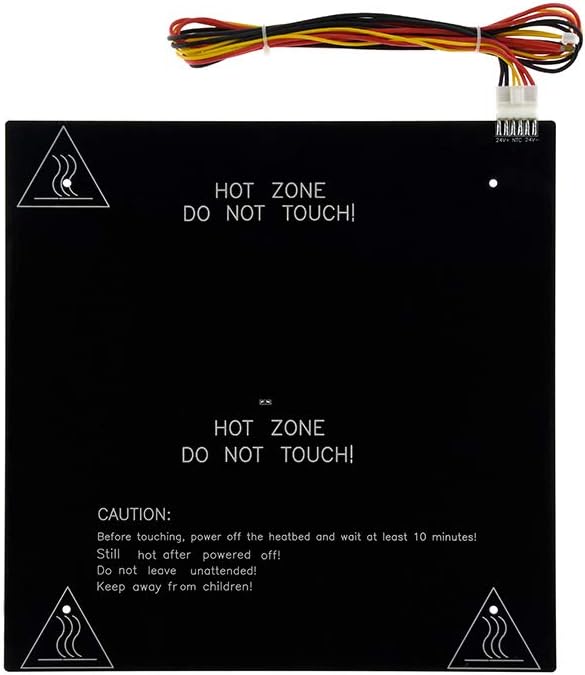
Official Ender 3 V2 Heated Bed 3D Printer Replacement Hot Bed 220W 24V with Cable Compatible for Creality Ender 3, Ender 3 Pro, Ender 3 V2, Ender 3 Neo, Ender 3 V2 Neo…
4.5Editor score
Official Creality Ender 3 V2 Heated bed with Aluminum Platform
The Power of Creality Ender 3 Hot Bed is DC 24V 220W
Aluminum Ender 3 V2 Hot Bed with Cable Installed for Creality 3D Printer Ender 3, Ender 3 Pro, Ender 3 V2, Ender 3 Neo, Ender 3 V2 Neo
FYSETC Silicone Heating Plate for Voron Project: Upgraded Heat Mat 300 * 300mm/ 11.8 in AC 110V 750W with Thermistor Sensor 3950 100K and Bimetal Thermal Fuse – 3D Printer Accessories
5.0Editor score
Necessary upgrade spare part for DIY your FDM building project or repairing for Voron 2.4 R2-Trident 300 build volume
Thickness about 1.8mm with XH2.54-2P Connector with a temperature sensor and fuse
AC 110V 750W please make sure your machine has solid state relay when using
Top 10 Best Heated Bed for 3D Printer in 2026 Compared
The following table provides a side-by-side comparison of all ten heated bed options to help you evaluate power, size, and compatibility at a glance for your next upgrade.
This official Creality replacement is the top budget pick with a solid rating from users needing stock performance. It provides a reliable platform for Ender 3 V2 Neo and other compatible series without extra complexity.
Pros
Official Creality part ensures perfect fit
Includes assembled cable for easy install
Affordable replacement for standard models
Cons
Basic aluminum surface needs tape
No thermal fuse protection noted
We may earn a commission when you buy through this link, at no additional cost to you.
The aluminum platform matches the original 235mm size exactly ensuring no fit issues during assembly. Users report consistent heat up to 100C which handles most PLA and PETG prints efficiently.
While it lacks advanced features like integrated sensor mats the included cable simplifies wiring significantly. The main tradeoff is the bare metal surface requiring glue or PEI for better adhesion.
This bed is ideal for owners wanting a factory correct upgrade at low cost. It delivers stable heating for daily printing and remains the go choice for standard Ender models today.
Perfect Fit for Ender Series
This part is officially designed for Creality Ender 3 V2 and Neo models guaranteeing no modification is needed during installation.
Cost Effective Standard Performance
At its price point it delivers the same heating and build area as your original printer bed without extra cost.
HICTOP offers a strong third party alternative for Ender 3 series with a high rating from users needing a direct replacement. It provides solid heat uniformity across the 235mm bed area.
Pros
Widely compatible with many Ender models
Includes cable for simple setup
Good heat distribution
Cons
Slightly higher price than official
Surface requires preparation for adhesion
We may earn a commission when you buy through this link, at no additional cost to you.
The aluminum construction reaches up to 110C which is sufficient for high temp materials like ABS. Installation is straightforward with the included cable connecting directly to the control board.
Some users note the surface needs a thin layer of tape or glue for first layer adhesion. This is standard for bare aluminum beds and does not affect overall performance negatively.
This option is best for those seeking a trusted aftermarket part with good support. It balances cost and quality well for daily printing on Creality and Voxelab machines.
Broad Compatibility Range
Compatible with Ender 3 Neo Pro V2 and even Voxelab Aquila X2 printers offering versatile upgrade options.
Standard Aluminum Performance
Provides consistent heating up to 110C matching the specs of original equipment for reliable print results.
This silicone heating pad earns top marks for fast uniform heating and perfect 235mm coverage. Users praise its ability to reach target temps quickly saving time before prints start.
Pros
Silicone rubber heats very quickly
Uniform heat distribution
High temperature resistance
Cons
Requires careful temp control below 200C
Not official Creality part
We may earn a commission when you buy through this link, at no additional cost to you.
The silicone material provides even heat transfer across the surface reducing hot spots that cause warping. It is designed for Ender 3 and CRX models making it a direct drop in.
You must stay below 200C to avoid damaging the rubber backing which is well above printer needs. This tradeoff ensures long life and consistent performance over time.
This bed is best for those wanting faster warm up and even temps. It is the top choice for upgrading standard Ender beds for improved print quality and speed.
Rapid Heat Up Time
Silicone material allows the bed to reach printing temperature faster than standard aluminum plates saving prep time.
Even Heat Distribution
The rubber pad spreads heat uniformly to prevent hotspots that can cause print failures on corners.
This bed targets CR-10 owners needing a larger 310mm platform with standard 24V power. It includes the mounting holes and wire kit for a complete replacement solution.
Pros
Large 310mm build area
Fits CR-10 series
Includes power wire kit
Cons
Lower rating from users
Protective film must be removed
We may earn a commission when you buy through this link, at no additional cost to you.
The aluminum plate is 3mm thick providing solid rigidity for larger prints. Users note the protective film on the back should be peeled off before heating.
Some reviews mention uneven heating or fit issues due to hole alignment variations. Ensure your machine matches the 240mm hole spacing before purchasing.
This option is suitable for CR-10 users on a budget. It offers standard performance and size but check compatibility carefully for best results.
Large Format Printing
The 310x310mm surface supports bigger models that won't fit on standard 235mm beds.
Complete Replacement Kit
Includes power wire and holes for a full swap of your existing heat bed unit.
This massive 500mm bed is for large scale printing with high 350W power. It uses aluminum alloy for durability and uniform heating across a wide area.
Pros
Huge 500mm build area
High 350W power output
Integrated heating structure
Cons
Low user rating
Requires high capacity power supply
We may earn a commission when you buy through this link, at no additional cost to you.
The integrated design aims to reduce warping by combining plate and substrate. It supports high temp materials well thanks to the extra wattage.
Reviews are mixed with some users reporting issues with stability or heat consistency. Ensure your power supply can handle the 350W load for this size.
This bed is only for serious large format needs. It is expensive and requires careful electrical setup so weigh risks carefully before buying.
Massive Build Volume
A 500x500mm surface allows printing very large objects without splitting them into parts.
High Power Heating
350W output helps reach temps faster on such a large area compared to smaller beds.
This premium mat targets Voron builders with AC 750W power and built in safety fuse. It fits 300mm volumes covering most of the bed for better uniformity.
Pros
Premium build for Voron projects
High wattage AC heating
Includes thermal fuse safety
Cons
Requires AC SSR controller
Higher price for advanced users
We may earn a commission when you buy through this link, at no additional cost to you.
The thick 1.8mm design with XH2.54 connector integrates cleanly into DIY builds. Users love the fast heat up and reliable thermal cutoff for safety.
Note this needs an AC SSR controller not standard DC boards. This limits it to advanced users willing to manage AC power safely.
This bed is best for Voron and high end printers. It offers top safety and heat performance for those ready to upgrade beyond basic setups.
Advanced AC Power
AC 110V 750W provides rapid heating for large builds compared to standard 24V beds.
Built In Safety Features
Includes a bimetal thermal fuse that disconnects power if temps exceed safe limits.
We may earn a commission when you buy through this link, at no additional cost to you.
Buying Guide – How to Choose the Best Heated Bed for 3D Printer
Choosing the right heated bed depends on your printer model size and power setup. Here are key factors to evaluate before buying.
Printer Compatibility
Ensure the heated bed matches your printer model dimensions mounting holes and voltage. Using incompatible parts can damage the board or result in poor adhesion.
Check hole spacing and cable connectors carefully before ordering a replacement part for your specific printer.
Bed Size
Select a build area that fits your largest print needs. Common sizes include 235mm for Ender 3 310mm for CR10 and 500mm for large format machines.
Larger beds require higher power and more rigid supports to prevent warping and ensure even heat distribution.
Voltage and Power
Match the voltage to your printer control board such as 12V 24V or 220V AC. Higher wattage speeds up heating but requires a power supply capable of handling the load.
Most modern printers use 24V 220W to 350W for a balance of speed and safety.
Material Type
Aluminum plates are standard for rigidity while silicone pads offer faster and more uniform heating. Consider if you need bare metal for tapes or a coated surface.
Silicone pads are great for upgrades but verify they fit your frame and control system.
Safety Features
Look for beds with built in thermal fuses or reliable thermal coupling. Overheating can damage prints or cause fire risks if not controlled.
Advanced AC beds should include SSRs and fuses to protect the build plate and electronics.
Mounting and Installation
Countersunk holes keep the surface flat and reduce nozzle collisions. Ensure the bed comes with cables or mounts if your setup requires them.
A smooth installation process saves time and ensures proper bed leveling for better print quality.
How to Use and Care for Your Heated Bed for 3D Printer
Install the new bed carefully following the manufacturer wiring instructions. Secure all screws and ensure the surface is level to prevent nozzle crashes.
Test the heating function by running a short print or preheat cycle. Monitor the temp to confirm it reaches target levels without errors.
Keep the surface clean with isopropyl alcohol and avoid scratching it. Regular maintenance ensures consistent adhesion and prolongs the bed life.
Frequently Asked Questions
What voltage heated bed do I need for my printer?
Check your printer control board manual or existing bed label. Most Ender 3 use 24V while older models may use 12V. Using the wrong voltage can damage your electronics.
Can I use a larger heated bed on my Ender 3?
Physical fit may work but you must upgrade power supply and firmware to support higher wattage. This is complex and not recommended for beginners.
How long does a heated bed typically last?
Quality beds can last years with proper care. Avoid mechanical damage and keep temps within limits to extend life. Silicone mats may wear faster than aluminum.
Why is my new bed not heating evenly?
Uneven heating can result from poor connection loose wires or bad power supply. Check all soldering and ensure the bed is mounted flat against the frame.
Do I need a special power supply for larger beds?
Yes larger beds like 500mm need 350W or more. Ensure your supply has enough headroom to handle the extra load safely.
Is silicone better than aluminum for heated beds?
Silicone heats faster and more evenly but is less rigid. Aluminum is durable and standard but may require tape. Choose based on your upgrade goals.
Final Thoughts on Choosing the Best Heated Bed for 3D Printer
The top picks include official replacements for standard printers and premium upgrades for large scale needs. Choose based on your model and power setup.
Prioritize compatibility and safety features when selecting a new bed. A proper fit ensures reliable prints and avoids hardware damage.
Prices change frequently so check current listings for the latest deals. Use the provided links to compare options directly before purchasing.
This guide compares the top 10 combustible gas leak detectors for 2026. We evaluate detection range, sensitivity, durability, and alarms to help you find…