
10 Pack 3 Pins AMS1117-3.3
4.1Editor score
Simple 3-pin linear regulator design
Supports 4.75V to 12V input
Includes overheat shutdown protection
This guide compares the top 5V to 3V voltage regulator options for stable power conversion, featuring detailed specs and expert insights for your projects.
Finding the right voltage regulator is essential for stable electronics projects. Whether you need to step down power for microcontrollers or sensors, choosing the correct model ensures reliability and safety in your builds.
We evaluated ten top-rated products based on performance, size, and user feedback. Our comparison focuses on efficiency, output stability, and ease of integration into common DIY or professional circuits.
Each pick highlights key features and ideal use cases for your specific needs. Please note that prices and availability change frequently, so verify current details before making your final purchase decision.
4.1Editor score

4.6Editor score

5.0Editor score
This side-by-side comparison highlights the key specifications and features of all ten selected voltage regulators to help you choose the most suitable option for your power supply needs.


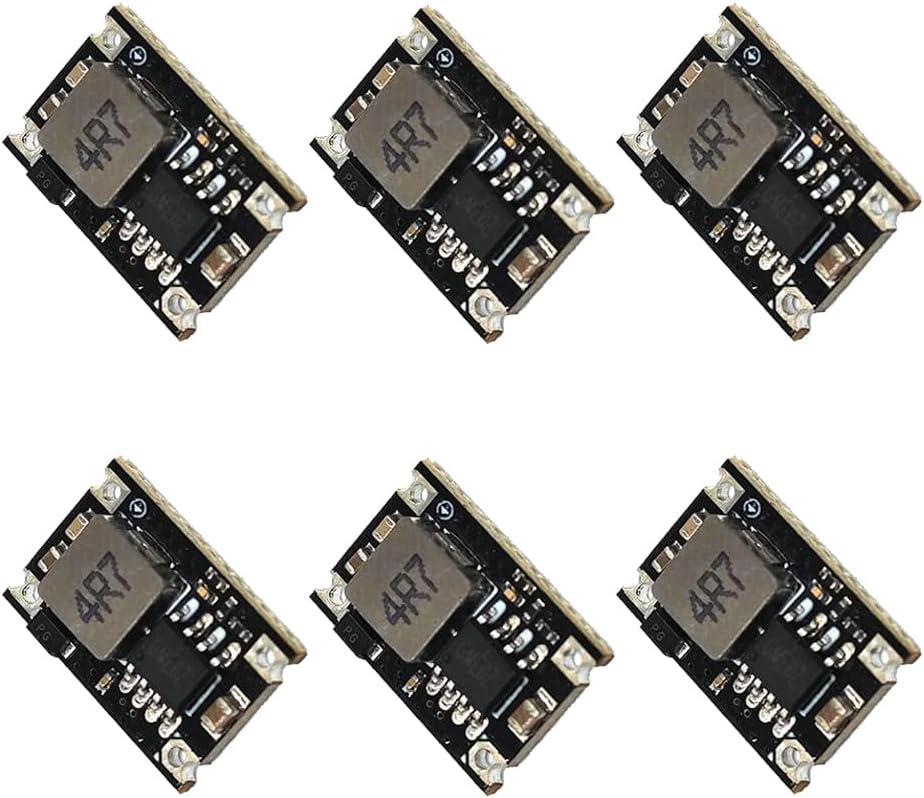
This module offers a robust solution for stepping down voltage from wide input sources to a stable 3.3V output. With a high rating and versatile input range, it stands out as a reliable choice for diverse electronics projects.
We may earn a commission when you buy through this link, at no additional cost to you.
The switching frequency ensures clean power with low ripple, protecting sensitive components like microcontrollers and sensors. Its compact design makes it ideal for portable or space-constrained builds where efficiency matters.
While it requires attention to inductive loads, this is standard for buck converters. Adding a diode and capacitor protects downstream chips from voltage spikes during motor or servo operation.
Buyers seeking a balance of power and size will find this pack excellent. It is perfect for hobbyists needing multiple units to test or expand their circuit designs quickly.
The switching design minimizes heat, allowing continuous operation without overheating risks in enclosed cases.
Its small footprint lets you integrate it into wearable tech or IoT devices without bulk.
We may earn a commission when you buy through this link, at no additional cost to you.
This AMS1117-3.3 pack provides a cost-effective way to power low-current devices requiring stable 3.3V. Its linear design is straightforward and works well for steady loads like logic circuits.
We may earn a commission when you buy through this link, at no additional cost to you.
The three-pin layout matches common development boards, making connections quick without extra headers. Overheat shutdown helps prevent damage if the load exceeds expectations during testing phases.
Because it dissipates heat rather than switching, it may warm up under higher loads. This is acceptable for small signals but less ideal for high-power applications needing efficiency.
Ideal for prototyping where cost is key, this set lets you stock up without overspending. It is a practical choice for Arduino or MSP430 projects with modest power needs.
The familiar linear regulator footprint makes it easy to solder into breadboards or custom PCBs.
Built-in overheat shutdown protects both the regulator and your connected devices from damage.
We may earn a commission when you buy through this link, at no additional cost to you.
Rated highly for precision, this Mini360 module delivers clean power with minimal ripple. It excels where noise could disrupt audio or RF components in your design, ensuring signal integrity.
We may earn a commission when you buy through this link, at no additional cost to you.
The 1.8A output handles substantial loads, making it suitable for driving peripherals beyond basic logic. Its small size ensures it fits even on dense boards without crowding other components.
Like most buck modules, inductive loads like motors need external protection. Adding a Zener and capacitor safeguards the output from back EMF spikes that could damage your chips.
For projects demanding top-tier stability, this premium choice is worth the investment. It is best suited for professional or advanced hobbyist builds requiring reliable power delivery.
The low ripple specification keeps noise away from sensitive analog or digital circuits effectively.
Supporting up to 1.8A allows this module to drive more demanding devices without stress.
We may earn a commission when you buy through this link, at no additional cost to you.
This converter handles inputs both above and below 3.3V, making it unique for battery-driven projects. It works well when battery voltage drops below target but still requires a stable rail.
We may earn a commission when you buy through this link, at no additional cost to you.
The boost and buck capabilities mean you do not need separate modules for different battery chemistries. It simplifies designs for wearables or sensors running on single-cell lithium sources.
However, the 100mA limit restricts it to low-power applications like sensors or LEDs. It is not suitable for microcontrollers that need higher current during active communication phases.
Buyers needing flexibility for battery voltage fluctuations will find this module handy. It is a niche but effective choice for ultra-low-power IoT and portable device builds.
Whether input is 1.8V or 5V, it maintains steady 3.3V output for consistent performance.
Its small size preserves valuable board space for batteries or antennas in portable units.
We may earn a commission when you buy through this link, at no additional cost to you.
This set offers seven units for consistent performance across multiple boards. The linear design ensures low noise output, which is beneficial for audio or radio frequency circuit applications.
We may earn a commission when you buy through this link, at no additional cost to you.
Built-in overheat protection prevents damage if the board gets too hot during continuous use. This safety feature is vital for prototypes left running during extended testing periods.
The 800mA limit is sufficient for logic and small sensors but not high-power drivers. It is essential to match this limit with your device's requirements to avoid overloading.
Best for users needing a reliable, low-noise power solution, this pack balances quality and quantity. It is a smart choice for classrooms or small workshops producing multiple prototypes.
Linear regulators avoid switching noise, making this ideal for sensitive audio circuits.
Seven pieces ensure you have spares for projects or teaching without frequent reordering.
We may earn a commission when you buy through this link, at no additional cost to you.
With fifteen pieces, this pack supports large projects or team use. The high accuracy ensures your voltage stays close to 3.3V even when loads change dynamically during operation.
We may earn a commission when you buy through this link, at no additional cost to you.
Dynamic voltage difference control helps reduce power consumption in battery scenarios. This feature adjusts impedance to minimize wasted energy when battery voltage drops slightly below target.
Overheat and overcurrent protection prevent catastrophic failures during unexpected load spikes. This adds peace of mind when leaving devices unattended for longer periods.
Buyers needing bulk units for workshops or production runs will find this pack ideal. It offers reliability and precision without the complexity of switching power supply designs.
The two percent accuracy ensures your circuits receive the correct voltage for stable operation.
Adjusting impedance to reduce voltage difference saves power in battery-powered systems effectively.
We may earn a commission when you buy through this link, at no additional cost to you.
Designed for tight spots, this mini board fits into enclosures where space is scarce. It accepts a wide input range, allowing use with diverse supply sources like solar or vehicle power.
We may earn a commission when you buy through this link, at no additional cost to you.
The reverse polarity mark helps prevent connection errors that could damage components. Stable output with minimal ripple ensures consistent performance even under variable load conditions.
Some users note mixed durability reports, so checking incoming units is recommended. This is common with compact modules, so quality control checks ensure longevity in final builds.
For space-constrained designs requiring high current, this option offers strong capability. It is best for advanced builders comfortable with minor QC checks to ensure reliability.
Its tiny footprint enables integration into ultra-compact IoT or wearable device prototypes.
Reverse polarity protection marks help avoid wiring mistakes during initial assembly stages.
We may earn a commission when you buy through this link, at no additional cost to you.
This module accepts inputs up to 30V, making it suitable for solar panels or vehicle systems. It delivers clean power, ensuring sensitive electronics remain protected from voltage noise.
We may earn a commission when you buy through this link, at no additional cost to you.
The peak current capacity supports driving LEDs or other higher-demand components reliably. It is tested before shipping to ensure consistency across all units in the pack.
While thermal specs are not fully detailed, typical buck converters perform well under normal loads. Using proper ventilation ensures best performance during prolonged operation in warm conditions.
Buyers needing wide input tolerance will find this module versatile for outdoor or automotive projects. It is a solid option for reliable stepping down of higher DC voltages efficiently.
Accepting up to 30V allows use with batteries or solar panels without extra steps.
Each unit is tested before shipping to guarantee reliable performance out of the box.
We may earn a commission when you buy through this link, at no additional cost to you.
This ten-piece set offers reliable linear regulation for standard 5V sources. It simplifies power design when input stays near 5V, avoiding switching noise common in complex converters.
We may earn a commission when you buy through this link, at no additional cost to you.
Automatic regulation ensures output remains steady regardless of minor input fluctuations. Clear voltage limits help prevent damage by guiding users to stay within safe operating ranges.
The seven-volt input limit means it is not suitable for higher voltage rails. This restriction keeps the design simple and efficient for typical logic-level electronics and sensors.
Best for bulk projects with consistent 5V sources, this pack provides steady value. It is recommended for users prioritizing simplicity and noise-free power for digital circuits.
Linear regulation keeps switching noise away from sensitive digital and analog signal paths.
Defined voltage windows help beginners avoid overvoltage damage during project setup.
We may earn a commission when you buy through this link, at no additional cost to you.
Designed with high current output, this module suits models needing reliable power under load. The small size minimizes weight, which is critical for flight performance and balance in RC applications.
We may earn a commission when you buy through this link, at no additional cost to you.
Stable output ensures controllers remain functional even as battery voltage varies during flight. MP1584EN topology provides efficient conversion, reducing heat in compact fuselages.
Inductive motor loads need external protection like capacitors or Zener diodes. This safeguards the module from back EMF generated by motors during rapid throttle changes.
Buyers focusing on lightweight high-power builds will appreciate this module. It is excellent for drones or planes requiring clean, efficient power conversion from LiPo batteries.
Up to 1.8A allows driving robust servos or controllers without voltage sag.
Miniaturized design keeps payload light for better flight times and agility in models.
We may earn a commission when you buy through this link, at no additional cost to you.
Choosing the right regulator depends on your input source, required current, and sensitivity of your load. This guide breaks down critical factors to help you make the best decision.
Ensure the regulator supports your power source. If you use 12V or 24V supplies, a wide input range prevents damage and ensures stable output.
Always match your input supply to the regulator's supported voltage window for safe operation.
Determine how much current your load needs. High current loads like motors need regulators rated 1.8A, while logic circuits may suffice with 800mA.
Select a module rated slightly higher than your max current to avoid overheating and voltage drops.
Linear regulators are simpler and quieter but dissipate heat. Switching buck converters are efficient and cool but may introduce noise sensitive to RF circuits.
Choose switching for battery efficiency and linear for low-noise signal processing applications.
Compact modules like Mini360 fit tight enclosures but may require careful soldering. Larger ones are easier to handle but might crowd small PCBs.
Measure your available space before choosing a module size to ensure proper fit.
Switching modules typically have ripple. If your circuit is audio or radio sensitive, look for low ripple specs like under 30mV to avoid interference.
Check ripple values if your load is sensitive to electrical noise or voltage fluctuations.
Look for overheat or overcurrent protection to prevent damage. Some linear regulators shut down when overheating, which protects your connected components.
Safety features are crucial if you leave your device running unattended for extended periods.
Buying packs offers value for prototyping. Ensure you have enough units for your projects and potential spares.
Consider multi-packs if you plan to build multiple boards or need replacements for testing.
Simple 3-pin designs reduce soldering complexity. If you need headers or specific connectors, verify the module provides them or plan for adapters.
Ease of connection saves time and reduces risk of wiring errors during assembly.
Start by confirming your input voltage matches the module's rated range. Connect VIN to your power source and GND to the common ground to avoid shorts.
For buck modules with motors, add protection capacitors to the output pins. This prevents back EMF spikes from damaging the regulator or downstream chips.
Monitor heat if running continuous loads near max current. If the module gets hot, add a small heatsink or reduce load to ensure long-term reliability.
Fluctuations often result from insufficient input voltage or excessive current draw. Ensure your supply stays within the module's minimum input range and check that you do not exceed the rated current.
Most 3.3V regulators provide a fixed output close to 3.3V. If your device needs exactly 3V, check if it tolerates slight variations. If precision is critical, consider an adjustable regulator or low-dropout linear variant.
AMS1117 is a linear regulator that drops voltage as heat, while buck converters switch to drop voltage efficiently. Linear is quieter but less efficient; switching is cooler but may need filtering.
Some modules include internal capacitors, but adding external ones improves stability. Place them near input and output pins to reduce ripple and protect against voltage spikes.
Inductive loads like motors need protection. Without a diode or capacitor, back EMF can damage the regulator. Always add protection circuitry when driving motors.
Touch the module gently. If it is too hot to hold for a few seconds, it may be overheating. Add airflow or a heatsink to reduce thermal stress during long operations.
USB ports, LiPo batteries, and DC adapters work well. Ensure your source stays within the module's input range to prevent instability or damage.
Most listed modules are fixed 3.3V. If you need adjustable voltage, look for versions with trimmer resistors or dedicated adjustable regulators.
This guide highlighted top options ranging from budget linear packs to efficient switching modules. Each pick meets specific needs for size, efficiency, and power capacity.
Prioritize your input range and current requirements when deciding. Efficiency matters for battery projects, while noise matters for sensitive circuits.
Prices and stock change regularly. Check the latest details before ordering to ensure you get the best value and availability for your project.