
Berkeley Varitronics Octopus 4G LTE
4.6Editor score
True RSRP RSRQ RSSI measurements
Supports all major US carriers
No subscriptions or apps required
Finding the right cellular signal meter for antenna aiming is essential for anyone installing boosters or outdoor antennas. These devices help you pinpoint the strongest signal direction quickly ensuring optimal performance for your communication setup.
We compared ten top-rated meters based on frequency coverage accuracy portability and ease of use. Our analysis covers handheld tools suitable for technicians hobbyists and professionals working with LTE PCS and AWS bands across various environments.
Each pick highlights key features pros and cons to guide your decision. Remember that product availability and pricing change frequently so always check current details before purchasing to ensure you get the best value for your needs.
4.6Editor score

4.3Editor score

4.4Editor score
As an Amazon Associate we earn from qualifying purchases.
The following table provides a side-by-side comparison of all ten products evaluated in this guide. Each entry includes key specifications and direct links to view current availability and detailed seller information.


The SureCall Five-Band RF Signal Meter stands out as a top choice for antenna aiming with a solid rating of four point three stars. It offers broad coverage including LTE PCS and AWS which are critical for modern cellular installations.
We may earn a commission when you buy through this link, at no additional cost to you.
Its high sensitivity of negative one ten dBm ensures accurate signal detection even in weak areas. The rechargeable design with NiMH batteries allows for extended field use without frequent replacements.
While it lacks GPS integration which limits advanced mapping capabilities the focused band coverage makes it efficient for standard booster setups. The controllable backlight is a practical addition for low light conditions.
This meter is ideal for technicians and DIY installers seeking reliable performance without excessive cost. It balances functionality and price effectively making it a strong recommendation for general use.
Supports PCS and AWS bands to ensure compatibility with major carriers.
Rechargeable batteries and backlight enable work in various lighting conditions.
We may earn a commission when you buy through this link, at no additional cost to you.
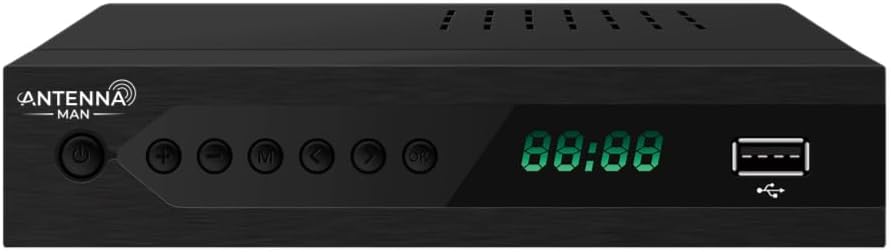
The Antenna Man Signal Meter is a budget-friendly option rated at three point eight stars focusing on ATSC digital signals. It is best suited for over the air TV antenna aiming rather than cellular networks.
We may earn a commission when you buy through this link, at no additional cost to you.
Its plug and play design makes it easy for beginners to use without technical expertise. Real time signal strength displays help quickly identify the best direction for reception.
While it excels for TV setups it lacks the frequency range needed for cellular applications. The lower rating reflects limitations in versatility compared to dedicated cellular meters.
Consider this for home TV installations where cost is a priority. It provides reliable performance for its intended purpose but may not meet broader signal needs.
Plug and play functionality allows immediate use without complex configuration.
Optimized for ATSC frequencies making it ideal for OTA antenna tuning.
We may earn a commission when you buy through this link, at no additional cost to you.
The Berkeley Varitronics Octopus holds a high four point six rating and provides professional grade metrics like RSRP RSRQ and RSSI. It supports all major US carriers making it versatile for diverse network environments.
We may earn a commission when you buy through this link, at no additional cost to you.
Its design eliminates the need for SIM cards or apps which simplifies usage and reduces ongoing costs. The precise measurements ensure optimal antenna alignment for critical installations like EV charging stations.
The premium price may deter casual users but the accuracy and reliability justify the investment for professionals. It requires some technical knowledge to fully utilize its advanced features.
This meter is best for advanced installers needing detailed data. It delivers unmatched precision for LTE setups ensuring peak performance for commercial or demanding applications.
Provides true RSRP RSRQ and RSSI for accurate network analysis.
Works with all major carriers without requiring subscriptions or devices.
We may earn a commission when you buy through this link, at no additional cost to you.
The RF Explorer Pro Spectrum Analyzer is a powerful tool with no specific rating due to its technical nature. It covers fifteen MHz to six point one GHz making it suitable for broad RF analysis including cellular bands.
We may earn a commission when you buy through this link, at no additional cost to you.
The eight inch touchscreen provides clear visualization of signals with features like GPS heatmaps and waterfalls. This level of detail is ideal for troubleshooting interference and tuning antennas.
Its complexity might overwhelm non-technical users and the price is significant. However for engineers and advanced professionals the capabilities offer superior control and insight.
Choose this if you need extensive spectrum analysis beyond simple signal strength. It is a robust investment for those managing complex wireless environments.
Large HD touchscreen enables real-time visualization of RF signals and data.
Includes zero span tracking generator and GPS for comprehensive testing.
We may earn a commission when you buy through this link, at no additional cost to you.
The NetAlly AirCheck G3 Pro Kit receives a perfect five star rating for its comprehensive Wi-Fi and cellular testing capabilities. It includes an external directional antenna which is crucial for precise signal aiming.
We may earn a commission when you buy through this link, at no additional cost to you.
Its tri-band physical location detection and remote collaboration features streamline complex network surveys. The included spectrum analyzer adds significant value for identifying interference sources.
The cost is substantial and it may exceed the needs of simple antenna installations. However the included tools reduce the need for additional purchases saving long term expenses.
Ideal for enterprise technicians managing mixed networks this kit offers unmatched versatility. It ensures robust connectivity through detailed analysis and remote support features.
Includes directional antenna and spectrum analyzer for complete testing needs.
Enables collaboration between on-site and remote engineers effectively.
We may earn a commission when you buy through this link, at no additional cost to you.
The Extech 480836 holds a four point three rating focusing on RF EMF strength measurements from fifty MHz to three point five GHz. It is non-directional making it useful for safety assessments of base stations and microwave leakage.
We may earn a commission when you buy through this link, at no additional cost to you.
Its ability to store up to ninety nine sets of readings aids in documentation and tracking over time. The probe design ensures accurate environmental monitoring in varied conditions.
While it covers some cellular frequencies it is not optimized for antenna aiming tasks. The focus on EMF safety may limit its utility for signal optimization purposes.
Consider this for environmental monitoring or safety checks rather than precise antenna tuning. It offers reliable data for broader RF field evaluations.
Ideal for measuring exposure levels to RF emissions from base stations.
Manual store and recall features support detailed field reporting.
We may earn a commission when you buy through this link, at no additional cost to you.
The MINI1300 is a highly rated four point four meter offering significant value with its wide frequency range of point one to thirteen hundred MHz. It features a large four point three inch touchscreen for easy viewing.
We may earn a commission when you buy through this link, at no additional cost to you.
Its ability to measure SWR and include TDR mode makes it versatile for antenna tuning. The compact design allows for easy transport during field tests.
Note that the firmware cannot be updated which may limit long term adaptability. The need to manually calculate SWR can add steps for beginners.
Best for hobbyists seeking low-cost antenna analysis this meter balances performance and affordability. It provides essential tools for optimizing antenna performance effectively.
Delivers essential SWR and frequency analysis at a budget-friendly price.
Large TFT display simplifies operation during field measurements.
We may earn a commission when you buy through this link, at no additional cost to you.
The SA6 analyzer offers two in one functionality with both a spectrum analyzer and signal generator. It supports thirty five to six thousand two hundred MHz covering most cellular bands.
We may earn a commission when you buy through this link, at no additional cost to you.
The portable design and touchscreen interface make it user-friendly for technicians on the go. Its lightweight nature ensures comfort during extended field use.
Mixed user feedback suggests varying experiences with software updates and reliability. However its feature set remains compelling for a wide range of RF tasks.
Consider this for versatile testing where cost is a factor. It provides essential analysis capabilities for mobile network troubleshooting and tuning.
Combines spectrum analysis and signal generation for efficient testing workflows.
Lightweight and compact for easy transport during site visits.
We may earn a commission when you buy through this link, at no additional cost to you.
This alternative to the SA6 offers similar functionality with a focus on affordability. It covers thirty five to six thousand two hundred MHz including WiFi LTE and GSM bands.
We may earn a commission when you buy through this link, at no additional cost to you.
The integrated tracking generator allows for detailed component testing while the rugged housing ensures durability in field conditions. Accessories like cables and stylus are included for immediate use.
Build quality and support may vary compared to branded options. Users should verify compatibility with specific needs before purchasing.
A practical choice for technicians needing budget-friendly spectrum analysis. It delivers essential tools for signal evaluation and maintenance tasks effectively.
Provides core RF analysis features without high cost barriers.
Built to withstand field conditions for reliable daily use.
We may earn a commission when you buy through this link, at no additional cost to you.
The Channel Master meter is a dedicated tool for OTA TV signal strength with a three point nine rating. It displays signal level and SNR helping to fine tune antenna alignment precisely.
We may earn a commission when you buy through this link, at no additional cost to you.
Its color touchscreen and included carrying case make it convenient for installers. The stylus ensures easy navigation without direct finger contact issues.
It is limited to television frequencies so it does not support cellular bands. This makes it unsuitable for booster installations but excellent for home TV setups.
Choose this for over the air television antenna optimization. It provides reliable feedback for maximizing channel quality in home environments.
Displays signal to noise ratio for detailed alignment feedback.
Includes protective case and stylus for organized field work.
We may earn a commission when you buy through this link, at no additional cost to you.
Selecting the right meter requires understanding your specific needs whether for cellular boosters or TV antennas. Key factors include frequency coverage accuracy portability and additional features.
Ensure the meter supports the bands you need such as LTE PCS AWS or ATSC. Cellular installers should look for devices covering at least one hundred ninety two MHz up to two thousand one hundred MHz.
Verify compatibility with your carrier's frequencies to avoid missed signals during installation.
Advanced meters provide RSSI RSRP and RSRQ values which offer deeper insights into signal quality beyond simple strength. These metrics help optimize performance for high data rate applications.
Choose models that display these values clearly to reduce guesswork during alignment.
Field work demands lightweight and compact designs. Consider battery life and physical size to ensure comfort during extended installations.
Look for rechargeable options that provide hours of continuous use without frequent charging.
User interfaces range from simple LED bars to complex touchscreens. Select a device that matches your technical proficiency to speed up the process.
Backlights and intuitive controls enhance usability in low-light or challenging environments.
Tools like tracking generators or GPS mapping add value for professionals troubleshooting interference. However these increase cost and complexity.
Decide if advanced features justify the price based on your specific project requirements.
Rugged housing protects against drops and weather common in outdoor antenna work. Look for models with protective cases and robust materials.
Durable devices reduce the risk of damage and extend the meter's lifespan.
Prices vary from affordable basic meters to premium professional tools. Set a budget that aligns with the frequency of use and precision required.
Invest in higher quality if you need reliable performance for frequent or critical installations.
Check compatibility with your existing equipment and carrier networks. Some meters work best with specific devices or require adapters for optimal function.
Confirm specifications match your antenna type and signal sources to avoid limitations.
Position the antenna in the desired direction and hold the meter close to the antenna feed point. Rotate slowly while observing the signal strength to identify the peak reading.
Take multiple readings from different angles to confirm the strongest direction and ensure accuracy. Adjust the antenna slightly to maximize the signal level before securing it.
After use clean the device with a dry cloth and store it in a protective case. Regularly check battery levels and update firmware if available to maintain performance.
Look for support for common bands like LTE PCS AWS and Cellular. Ensure it covers your carrier's specific frequencies to avoid missing signals during antenna alignment.
No TV meters typically cover ATSC frequencies which are different from cellular bands. Using a dedicated cellular meter ensures accuracy for booster installations.
RSSI measures total received power while RSRP focuses on reference signal power for data. Lower negative values indicate stronger signals for these metrics.
Most meters like the Berkeley Varitronics Octopus do not require subscriptions. Avoid models that demand ongoing fees unless advanced cloud features are needed.
Rechargeable models typically offer three to five hours of continuous use. Always carry a backup power source for extended field work.
Handheld meters are generally accurate for field use but benchtop equipment offers higher precision. For most antenna aiming tasks handheld devices are sufficient.
The SureCall Five-Band and Berkeley Varitronics Octopus top our list for their balance of features and performance. Each offers distinct advantages depending on your specific needs and budget constraints.
Prioritize frequency coverage and measurement accuracy to ensure reliable antenna alignment. Investing in a tool that matches your technical requirements saves time and improves results.
Always verify current pricing and availability before purchasing to get the best value. Proper selection ensures your antenna system operates at peak efficiency for long-term performance.