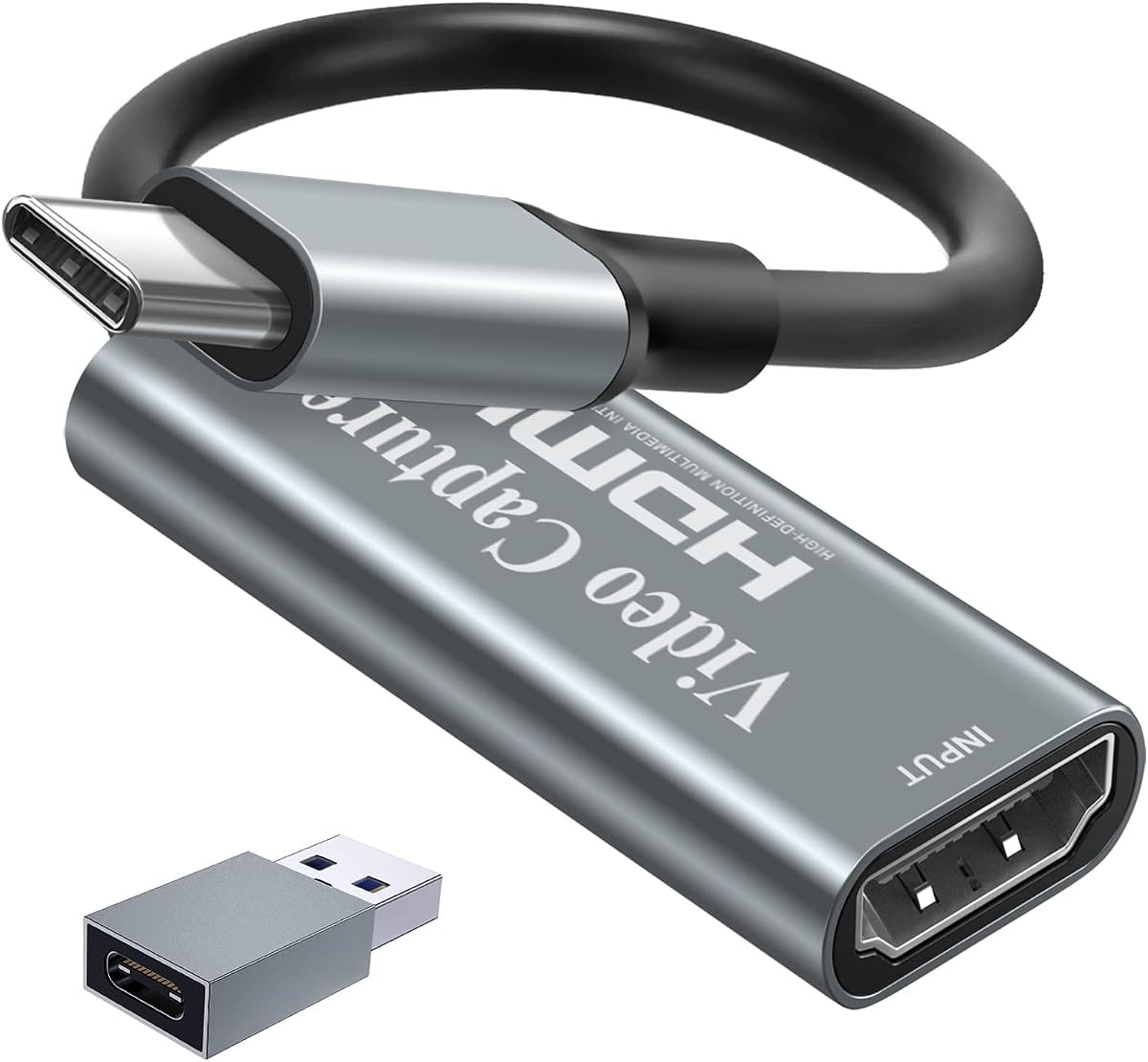
Papeaso Video Capture Card
4.2Editor score
4K HDMI Input Support
Plug and Play Linux
Affordable Entry Price
This guide compares the best capture card for Linux systems for streaming and recording. We review top models for compatibility, performance, and value to help
Finding the right capture card for Linux can be challenging due to driver support and software compatibility. Users need hardware that works seamlessly with open-source tools like OBS without requiring proprietary drivers.
We evaluated ten top-rated capture cards based on Linux compatibility, video quality, latency, and ease of use. Our selection includes models that support plug-and-play functionality on various Linux distributions.
Each pick highlights specific strengths for streamers and content creators using Linux. Prices change frequently, so verify current listings before purchasing to ensure you get the best deal for your needs.
4.2Editor score

4.5Editor score

4.2Editor score
The following table provides a side-by-side comparison of all ten capture cards reviewed in this guide. It highlights key specifications and compatibility features to help you make an informed decision for your Linux setup.


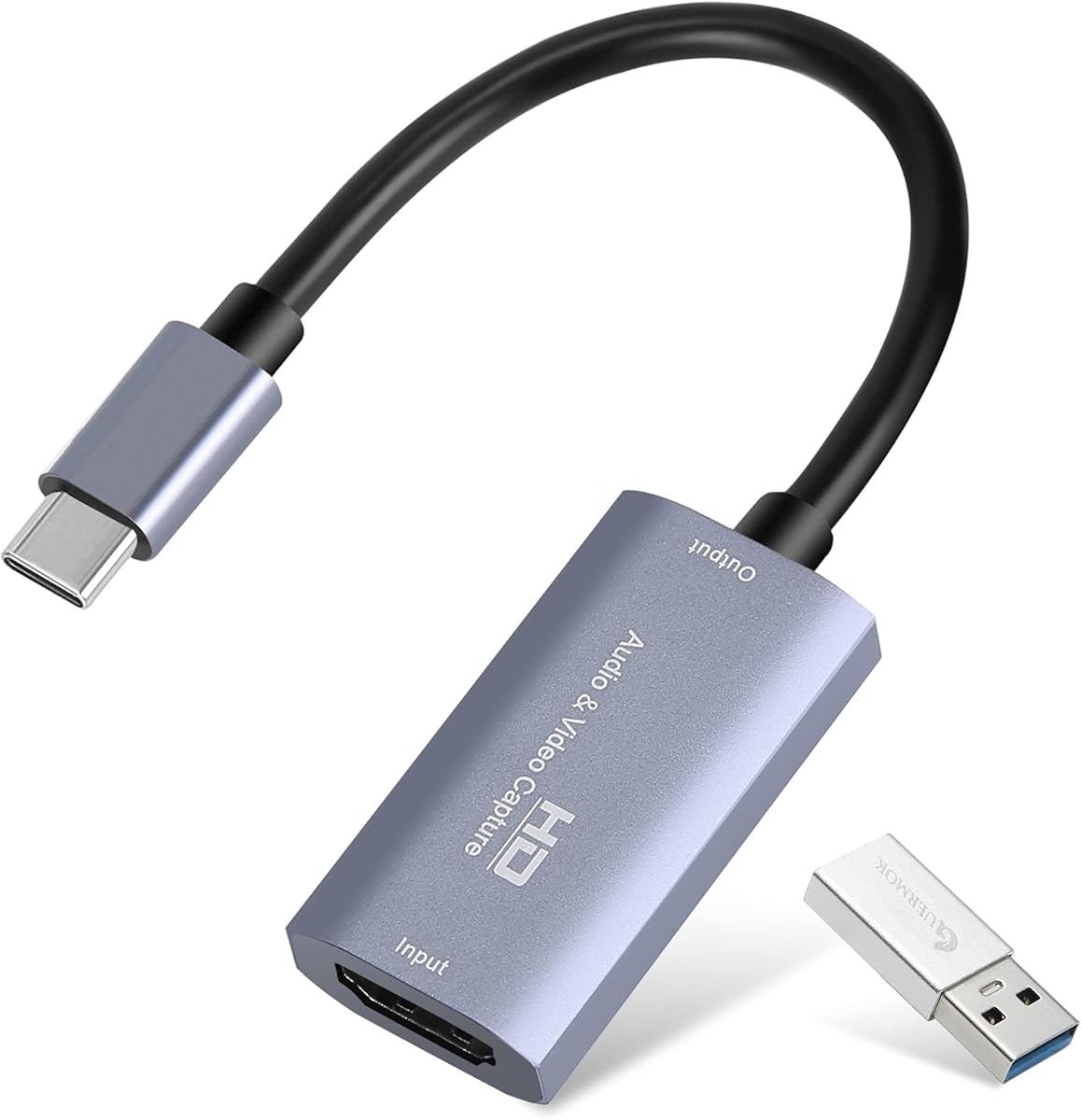




The acer USB 3.0 HDMI Capture Card offers solid performance for Linux users seeking reliable streaming. It supports 4K input and outputs smooth 1080P at 60Hz. Its rating reflects good quality for the price.
We may earn a commission when you buy through this link, at no additional cost to you.
Key strengths include YUY2 technology for richer colors and minimal latency. The mic-in port allows direct headset connection without adapters. This makes it ideal for gaming commentary or online classes.
While it handles 4K input well the output maxes at 1080P. Users needing higher resolution capture may look elsewhere. The lack of external power needs is a minor trade-off for portability.
This card is best for budget-conscious creators or gamers on Linux. Its plug and play nature ensures immediate use with OBS or VLC. Consider it for standard streaming needs.
The USB 3.0 connection ensures fast data transfer for high-quality video capture on Linux systems.
Built-in mic input simplifies setup by removing the need for external audio adapters during recording.
We may earn a commission when you buy through this link, at no additional cost to you.
The UGREEN 4K@30Hz Loop Out HDMI Capture Card delivers high-definition recordings for Linux users. It supports up to 2K at 30fps with a 4K input. Its build quality and compatibility make it a strong choice.
We may earn a commission when you buy through this link, at no additional cost to you.
It features both USB-A and Type-C interfaces for flexibility. The aluminum casing helps with heat dissipation during long sessions. Support for OBS and XSplit ensures easy integration into streaming workflows.
Users should note that PS4 and PS5 require HDCP to be turned off. The 2K output is sufficient for most needs but not for high-end 4K recording. It remains a versatile tool.
This card suits streamers needing reliable 2K capture on Linux. Its loop-out feature allows real-time monitoring without delay. It balances performance and durability well for general content creation.
Both USB-A and Type-C ports allow connection to a wide range of laptops and desktops.
The aluminum casing promotes effective heat dissipation for stable performance during extended use.
We may earn a commission when you buy through this link, at no additional cost to you.
The Guermok Video Capture Card provides excellent value for Linux users on a budget. It supports 4K input and outputs up to 2K or 1080P at 60fps. Its compact design makes it easy to carry.
We may earn a commission when you buy through this link, at no additional cost to you.
It features USB 3.0 high-speed transmission for low latency. The aluminum alloy casing ensures strong heat dissipation. Users can record directly to hard drive without needing extra software installation.
Note that the device is for capture use only and not direct screen casting. Restarting OBS may be required after audio setup to ensure sound output. These are minor hurdles for the price.
This card is ideal for budget gamers or vloggers using Linux. Its plug-and-play functionality works with major platforms like Twitch and YouTube. Consider it for portable and affordable streaming needs.
Its small size and light weight make it easy to carry for outdoor streaming or travel.
USB 3.0 ensures fast data transfer with minimal delay for live gaming or meetings.
We may earn a commission when you buy through this link, at no additional cost to you.
The Newhope USB 3.0 HDMI Capture Card offers smooth HD capture for Linux systems. It records at 1080P 60fps with low latency. The 4K pass-through ensures your gameplay remains visible on external displays.
We may earn a commission when you buy through this link, at no additional cost to you.
Its microphone input allows you to add external commentary directly. The device is plug-and-play without needing drivers or external power. It integrates well with OBS and other third-party tools for streaming.
Users should note it works best with USB 3.0 ports for full speed. The lack of bundled software means relying on OBS or VLC. This is standard for many budget capture cards.
This card is suitable for gamers on Linux wanting reliable recording. Its loop-out feature lets you play without lag while capturing. Consider it for straightforward streaming setups.
The HDMI loop-out port allows you to play on an external monitor while capturing simultaneously.
Microphone input supports external headsets for adding commentary without extra hardware.
We may earn a commission when you buy through this link, at no additional cost to you.
The Capture Card 4K HDMI Video Streaming device delivers vibrant video for Linux users. It records 1080P at 60fps with low latency. The design targets gamers and creators needing crisp content quickly.
We may earn a commission when you buy through this link, at no additional cost to you.
It supports seamless passthrough so you can play without lag while capturing. The compact design makes it easy to pack for LAN parties or travel. It is fully compatible with Streamlabs and OBS Studio.
While it lacks premium features it covers essential streaming needs. Users might miss a dedicated mic-in on this specific model. The focus remains on simplicity and reliability.
This card suits creators building channels with engaging content. Its plug-and-play nature reduces setup time significantly. Consider it for standard recording or streaming sessions.
Lightweight and portable design works well for creators switching setups often.
Works seamlessly with popular software like OBS Studio and Streamlabs for quick setup.
We may earn a commission when you buy through this link, at no additional cost to you.
The UGREEN 2K@30Hz 1080P 60FPS Video Capture Card offers excellent value for Linux users. It supports 4K input with 2K output for sharp visuals. Its 4.5 rating highlights reliability and performance.
We may earn a commission when you buy through this link, at no additional cost to you.
It features both USB-A and USB-C ports for broad compatibility. The aluminum casing shields against EMI ensuring stable signal transmission. Support for Linux systems makes it versatile for open-source users.
Users must ensure HDMI source devices support 2K resolution. Also, HDCP must be turned off on consoles like PS5 for functionality. These requirements are standard for many devices in this category.
This card is our top pick for Linux streaming and recording. Its balance of speed and build quality makes it a standout choice. Consider it for daily needs or professional projects.
High input resolution preserves quality for editing while 2K output ensures compatibility and clarity.
Aluminum casing and EMI shielding ensure stable transmission for uninterrupted streaming sessions.
We may earn a commission when you buy through this link, at no additional cost to you.
The 4K HDMI Capture Card USB 3.0 provides full HD recording with low latency. It supports 4K input for detailed visuals. Linux users benefit from instant recognition without extra software.
We may earn a commission when you buy through this link, at no additional cost to you.
It features a built-in 3.5mm mic input and headphone output for real-time monitoring. The package includes USB and HDMI cables ensuring you have everything needed to start. It works with many consoles and cameras.
While it tops at 2K output for sharp visuals its input flexibility is strong. The 18-month warranty adds peace of mind for long-term use. Consider it for tutorials or meetings.
This card is ideal for creators needing audio monitoring features. Its reliable performance across platforms makes it versatile. Consider it for professional content production.
Microphone and headphone ports allow synchronized audio and video during live broadcasts.
18-month warranty and responsive support provide security for your purchase.
We may earn a commission when you buy through this link, at no additional cost to you.
The AVerMedia Capture Card for Streaming delivers stunning 4K60 HDR passthrough for high-end setups. It records smooth 1080p60 while letting you play in HDR. Linux users gain access to premium gaming streaming features.
We may earn a commission when you buy through this link, at no additional cost to you.
It includes AVerMedia Streaming Center for simple setup and live streaming on platforms like Twitch. Flexible format options like NV12 and YUY2 let you match workflows. Ultra-low latency ensures synchronized audio and video.
The higher price reflects its advanced capabilities. Beginners might find the initial setup complex compared to basic plug-and-play cards. These trade-offs are acceptable for pro creators.
This card suits gamers seeking HDR playback while recording. Its robust feature set makes it a top premium pick. Consider it for professional streaming setups.
Play in stunning 4K60 HDR while recording in 1080p for high dynamic range visual quality.
Choose from multiple video formats to suit editing or streaming needs efficiently.
We may earn a commission when you buy through this link, at no additional cost to you.
The Papeaso Video Capture Card offers fluid 1080p capture at 60fps for Linux users. It supports 4K input resolution ensuring high-quality source handling. Its design targets live broadcasting and meetings.
We may earn a commission when you buy through this link, at no additional cost to you.
It relies on USB-C connectivity for broader device compatibility. The device offers no delay and no freezing for smooth streaming. It supports major platforms like Twitch and Facebook easily.
Note that it uses high-speed USB 2.0 technology which may limit bandwidth. Using an adapter to connect to USB 3.0 is recommended. Ensure you have a quality HDMI cable.
This card is suitable for budget streaming on Linux. Its plug-and-play nature works well with OBS and VLC. Consider it for casual recording or meetings.
USB-C connectivity allows connection to modern laptops and tablets easily.
No freezing or delay ensures fluid visuals for live broadcasts or online classes.
We may earn a commission when you buy through this link, at no additional cost to you.
The AVerMedia Live Gamer Ultra S offers seamless capture and streaming for gaming enthusiasts on Linux. It supports 4K60 HDR and VRR passthrough for ultimate quality. Its robust features target high-end streamers.
We may earn a commission when you buy through this link, at no additional cost to you.
It captures 5.1 audio and supports ultrawide input resolutions. The USB 3.2 Gen 1 Type-C connection ensures fast data transfer. Streaming Center provides advanced workflow tools for professional users.
This card comes at a premium price reflecting its capabilities. Ensure your system has a USB 3.2 Type-C port for full functionality. These are considerations for budget-conscious buyers.
This card is ideal for pros streaming on Twitch or YouTube. Its support for VRR and HDR makes it a top choice for console capture. Consider it for high-end setups.
Support for VRR and ultrawide resolutions ensures smooth capture for competitive gaming setups.
5.1 audio capture on Windows or Linux allows immersive sound recording.
We may earn a commission when you buy through this link, at no additional cost to you.
Selecting a capture card for Linux requires attention to driver support and interface compatibility. Below are key factors to consider before making a purchase decision.
Ensure the capture card supports Linux natively or works via UVC drivers. Many budget cards plug-and-play without extra software on modern distributions like Ubuntu or Fedora.
Look for cards explicitly stating Linux compatibility to avoid driver installation issues that hinder streaming workflows.
Check if the card supports your desired capture resolution such as 1080P 60FPS or higher. Some devices only output 1080P even if they accept 4K input for better streaming performance.
Select a model that matches your content needs whether casual recording or professional broadcasting to ensure optimal quality.
USB 3.0 is preferred for fast data transfer and lower latency during capture. USB-C interfaces provide modern connectivity options for laptops and newer desktops.
Verify that your computer has the required USB ports to avoid bottlenecks or additional adapter costs.
Microphone input ports allow direct commentary capture without external mixers. This feature simplifies setup for streamers and educators needing integrated audio.
Choose a card with mic-in if you plan to record voiceovers or commentary during gameplay.
HDMI loop-out ports enable real-time preview on an external monitor while capturing. This is essential for gamers who need to see their gameplay without lag.
Prioritize models with loop-out if you stream live gameplay and require instant monitoring capabilities.
Compatibility with OBS Studio VLC or Streamlabs ensures smooth integration into your streaming setup. Driver-free devices reduce friction during initial configuration on Linux systems.
Confirm software support matches your preferred tools to streamline your workflow efficiently.
Metal or aluminum casings help with heat dissipation during prolonged capture sessions. This improves stability and longevity compared to plastic housings.
Invest in a card with robust build quality to ensure reliable performance over time.
Entry-level cards offer essential features at lower prices suitable for beginners. Premium models provide advanced options like HDR and VRR support for high-end use cases.
Balance your budget against required features to choose the best value option for your needs.
Connect the HDMI cable from your console or camera to the input port on the capture card. Use the USB 3.0 cable to link the card to your Linux computer for power and data.
Launch your preferred capture software such as OBS Studio or VLC. Select the USB video capture device as your video source and configure resolution and frame rate settings.
Store the card in a cool dry place when not in use to prevent overheating and physical damage. Avoid pulling cables excessively to maintain port integrity and signal quality.
Most modern capture cards work via UVC protocols without extra drivers on Linux. Devices labeled as plug-and-play should be recognized automatically by OBS or similar software on Ubuntu or Fedora.
You can typically capture up to 1080P at 60FPS on Linux with budget cards. Premium models support 4K capture but ensure your computer hardware meets processing needs.
Yes OBS Studio is fully supported on Linux and works with most USB capture cards. Configure input settings manually to select the device for video and audio streams.
Check your USB port is USB 3.0 and properly connected. Restart OBS and verify Linux permissions allow access to video devices in system settings.
Some premium capture cards support 4K capture on Linux but require strong CPU power for encoding. Ensure your system meets hardware requirements for smooth performance.
You will need HDMI cables for source input and USB cables for connecting to your Linux computer. USB 3.0 is recommended to avoid bottlenecks during streaming.
Not if your capture card includes a microphone input port. Many devices have 3.5mm jacks for headsets allowing audio capture without additional gear.
Use the HDMI loop-out feature to connect a secondary monitor. This displays gameplay without latency while your computer records the stream.
Our top picks for capture cards on Linux include the UGREEN 2K capture card for versatility and the Papeaso model for budget-conscious users. Both offer strong performance with reliable Linux support.
Prioritize compatibility and plug-and-play functionality to streamline your streaming workflow. Consider advanced features like HDR and VRR only if your setup supports these capabilities.
Prices fluctuate frequently so verify current listings and availability before finalizing your purchase. Ensure your hardware meets requirements for the best experience possible.