
Handheld Fish Finder Portable Fishing Kayak Fishfinder Fish Depth Finder Fishing Gear with Sonar Transducer and LCD Display
4.2Editor score
Portable neck strap design
Works in fresh or salt water
Simple five sensitivity settings
Finding the right tool to locate fish is essential for any angler looking to improve their catch rate. A good fishfinder provides clear sonar readings and helps identify structure. These devices come in many forms to suit different budgets and fishing styles.
We evaluated ten models based on sonar clarity, ease of use, and portability. Our selection includes handheld units for shore fishing and mounted systems for boats. Each product offers unique features that make it stand out in the crowded market.
Every pick highlights specific strengths and potential limitations based on user feedback. Prices for these items change frequently so verify current deals before buying. This list aims to guide you to the best choice for your needs.
4.2Editor score
4.6Editor score

4.7Editor score
As an Amazon Associate we earn from qualifying purchases.
The following table provides a side-by-side look at key specifications for every model featured in this guide to help you compare features at a glance.


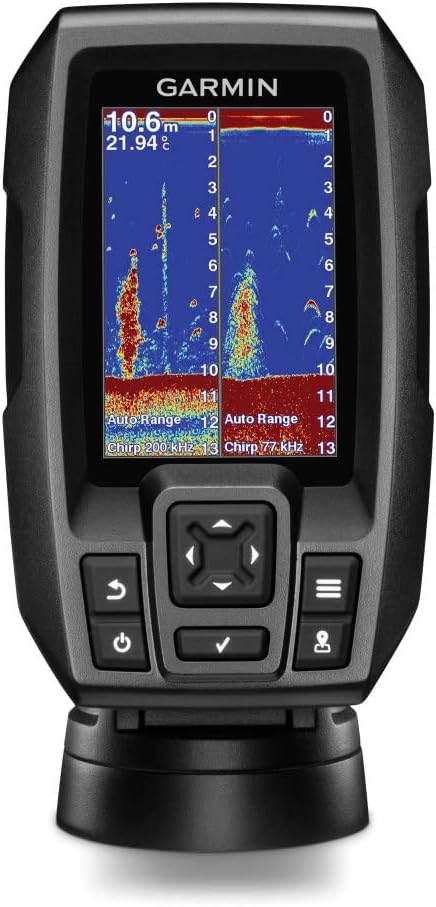
The Garmin Striker 4 stands out as a top choice for anglers seeking reliable performance without breaking the bank. With a solid rating of 4.6 stars users appreciate its durability and ease of use. This unit offers a clear display and robust sonar features that make finding fish straightforward.
We may earn a commission when you buy through this link, at no additional cost to you.
Its standout feature is the ClearVu scanning sonar which provides near photographic images of the underwater environment. The high frequency sonar gives detailed representations of objects and fish making it easier to identify what you are looking for. The device also includes a waypoint map for tracking locations like brush piles and docks.
One trade-off is the lack of extensive built-in mapping features compared to higher-end models. However for the dedicated buttons and keyed interface keep operation simple even in rough conditions. The IPX7 water rating ensures it withstands splashes and harsh weather well.
This model is ideal for small boat owners or kayakers who need a dependable tool for daily fishing. Whether you are ice fishing or using vertical jigging the built-in flasher option adds versatility. For most recreational anglers this unit delivers the best balance of cost and capability.
The high frequency sonar technology produces detailed images of fish and structure for easier identification.
Use the waypoint map to mark and navigate to specific fishing spots like docks or stumps.
We may earn a commission when you buy through this link, at no additional cost to you.
This handheld fish finder offers an affordable entry point into the world of sonar technology without sacrificing essential functionality. It is designed for anglers who value portability above all else. The unit comes with a neck strap allowing hands-free use while casting or navigating a kayak.
We may earn a commission when you buy through this link, at no additional cost to you.
It displays water depth approximate fish location and size along with bottom structure like sand or rocks. The sonar operates at 200 kHz with a 45-degree beam angle which covers a wide area beneath the transducer. You can adjust sensitivity across five levels to suit different water conditions.
The main limitation is the reliance on AAA batteries which provide only about four to five hours of continuous use. You must also ensure the transducer stays horizontal and below five miles per hour for accurate readings on a moving kayak. Despite this it handles saltwater environments well.
Consider this device if you fish from shore or a kayak and want a lightweight solution. The brand support offers a two-year warranty and quick response times to issues. For those on a strict budget this unit provides reliable depth readings and basic fish detection.
The neck strap and compact design let you wear it on your neck or store it easily in a tackle box.
With a 200 kHz frequency it detects depths from three feet to 328 feet accurately in various conditions.
We may earn a commission when you buy through this link, at no additional cost to you.
The Garmin STRIKER Vivid 4cv delivers premium visual clarity that helps you distinguish fish from structure quickly. Its 4. color screen uses new vivid scanning sonar palettes to make data readable even in bright sunlight. This model is perfect for those who want top-tier imaging without moving to a large unit.
We may earn a commission when you buy through this link, at no additional cost to you.
It includes the GT20 transducer which provides both built-in Garmin CHIRP traditional sonar and CHIRP ClearVü scanning sonar. The high sensitivity GPS helps you mark waypoints and create routes while viewing your boat speed. You can also view your boat contours instantly thanks to built-in mapping features.
The tilt and swivel bracket included in the box allows for optimal viewing angles regardless of your seat position. While it is slightly more expensive than basic models the clarity and mapping features justify the cost. You get detailed depth profiles and better target separation than standard sonar systems.
Ideal for serious anglers who want accurate navigation and detailed underwater views this unit performs well in varied environments. It supports waypoint creation and route planning which is great for exploring new fishing grounds. The color palettes ensure you never miss a target in low light.
New color palettes make it easy to see fish arches and structure clearly in any lighting condition.
Built-in Quickdraw Contours mapping provides depth information without needing separate chart purchases.
We may earn a commission when you buy through this link, at no additional cost to you.
The Lowrance Eagle Fish Finder brings a clear and intuitive interface to small boat owners and kayakers. Its 4-inch IPS portrait screen stays visible in bright sunlight and works well through polarized sunglasses. The unit is designed to keep you focused on the water rather than adjusting settings constantly.
We may earn a commission when you buy through this link, at no additional cost to you.
Auto-Tuning Sonar automatically optimizes settings to reduce the need for manual tweaks. The included 200 kHz Bullet Skimmer delivers a broad 44-degree beam for excellent coverage below the boat. You can view fish icons with depth and use zoom to get a closer look at specific targets.
Installation is quick thanks to the twist-lock connector that makes connecting and removing the display simple. The compact portrait design fits well in limited spaces on kayaks or small craft. However it lacks advanced mapping features found in more expensive chartplotters.
If you want a plug-and-play solution that handles daily fishing efficiently this model is a strong candidate. It balances ease of use with reliable sonar performance for locating fish and structure. The screen clarity ensures you see every fish icon clearly during long trips.
The IPS portrait screen provides clear images even under direct sunlight or when wearing sunglasses.
Twist-lock connectors and auto-tuning settings reduce setup time so you can start fishing immediately.
We may earn a commission when you buy through this link, at no additional cost to you.
The Humminbird PiranhaMAX 4 is a straightforward device built for those who prefer simple operation over complex menus. It features Dual Beam Sonar allowing you to switch between a narrow beam for detail or a wide beam for coverage. This choice helps you identify fish and structure quickly without confusion.
We may earn a commission when you buy through this link, at no additional cost to you.
The display includes a tilt and swivel mount that adjusts the viewing angle to suit your position on the boat. It comes with the XNT 9 28 transom-mount transducer which ensures stable readings on most hulls. The control system is minimal making it easy to learn in minutes.
While it lacks GPS or advanced mapping features it focuses on delivering reliable sonar readings. The display is compact which fits well on small dashboards without taking up too much room. Its performance in fresh water is consistent and user feedback praises its durability.
This unit is a solid choice for casual anglers who do not need navigation tools or complex data. You get a focused tool that helps find fish and bottom contours effectively. For its size it offers excellent value with essential features that work every time.
Switch between narrow and wide beams to balance detail and coverage based on current fishing needs.
The tilt and swivel mount lets you adjust the screen angle to reduce glare and improve visibility.
We may earn a commission when you buy through this link, at no additional cost to you.
The LUCKY Kayak Portable Fish Depth Finder is designed for anglers who want a lightweight solution that fits easily in a bag. It displays approximate fish location and water depth with clear readings even in sunlight or darkness. The display can switch between feet and meters based on your preference.
We may earn a commission when you buy through this link, at no additional cost to you.
It comes with a neck strap which allows you to wear the unit around your neck while managing gear on a kayak. Five sensitivity levels adjust the reading for clear or turbid water to ensure you get accurate data. The fish and school alarm alerts you when fish pass by the sensor.
You can attach the transducer to the hull of your kayak to get real-time depth readings while moving. The unit runs on batteries that last four to five hours so it is best for short trips or as a backup. Its compact size makes it easy to store in a tackle box.
If you need a portable tool for kayaking or shore fishing this model offers great utility at an affordable cost. It includes all essential features like depth and fish detection without bulky components. For casual anglers it provides a convenient way to find schools without heavy equipment.
The fish alarm emits alerts when schools pass by so you never miss a bite while distracted.
The handheld design fits in your pocket and includes a neck strap for easy access on the water.
We may earn a commission when you buy through this link, at no additional cost to you.
The Humminbird Helix 5 is a powerful device that merges high-quality sonar with enhanced GPS navigation for serious anglers. It features Dual Spectrum CHIRP Sonar which delivers clear fish arches and structure views in wide or narrow modes. The unit includes coverage of over ten thousand lakes in its preloaded map.
We may earn a commission when you buy through this link, at no additional cost to you.
Real-Time Mapping allows AutoChart Live to create maps of depth contours and bottom hardness while you boat. This feature saves eight hours of built-in recording time to help you revisit successful spots later. The keypad is user-friendly with softkey controls that work well in any weather conditions.
You can expand mapping capacity with AutoChart Zero Line SD cards for more detailed data across large areas. The reliable keypad ensures you can change settings quickly without fumbling. While it is pricier than basic units the mapping capability provides significant value for navigation.
This model suits those who want to explore new lakes or need precise navigation alongside sonar. The combination of GPS and chartplotting makes it a robust tool for full fishing days. With detailed fish separation you can identify targets with greater precision than standard systems.
Create custom maps of depth and vegetation while fishing so you can track the most productive areas.
Dual Spectrum CHIRP offers two search modes to balance coverage and detail for any fishing situation.
We may earn a commission when you buy through this link, at no additional cost to you.
This portable rechargeable fish finder offers a wireless sonar sensor that eliminates the need to drill holes in your boat hull. The maximum distance between the sensor and handheld unit is 262 feet which allows for wide casting ranges. You can tether the sensor to your line to cast it directly to a target spot.
We may earn a commission when you buy through this link, at no additional cost to you.
It detects and displays water depth temperature fish size and bottom contour in real-time. The clear color display offers two background options to ensure readability in bright sun or at night. The sensor turns on automatically when it floats on water to simplify setup before each trip.
The wide 105-degree beam angle provides broad coverage so you can scan larger areas quickly. It supports both fresh and saltwater environments making it versatile for different fishing locations. Battery life on the sensor requires charging but the unit itself runs long enough for most trips.
If you want to cast your sonar far from shore without mounting hardware this unit is ideal. It removes the hassle of permanent installation and keeps your boat clean. For recreational use it provides accurate depth and bottom data with convenient wireless operation.
No drilling is required because the sensor floats and connects wirelessly up to 262 feet away.
Tether the sensor to your line to cast into specific spots and get immediate depth and structure data.
We may earn a commission when you buy through this link, at no additional cost to you.
The DANOPLUS kayak fish finder features a rechargeable sonar sensor and a colorful LCD screen for clear readings. It detects depths up to 147 feet and covers a 90-degree angle to find fish and temperature in various conditions. The sensor has an attractive lamp that turns on when touching water.
We may earn a commission when you buy through this link, at no additional cost to you.
When fish pass by the coverage area the device shows and emits an alarm on the screen. This feature ensures you notice targets even if you are looking elsewhere. The display also includes water temperature and size information to help you adjust your bait effectively.
You can switch between twenty-one operating languages to match your preference or region. The unit is designed for use on boats kayaks or for ice fishing since it is portable and self-contained. The sensor floats on water to turn on automatically which simplifies deployment on ice holes.
This model is ideal for anglers who want a simple portable setup without complex wiring. The combination of alarm features and color display makes finding fish intuitive and efficient. It offers reliable depth detection for freshwater and saltwater fishing with a user-friendly interface.
The alarm alerts you when fish pass the sensor so you can react quickly to schools.
Support for 21 languages makes the menu accessible to anglers from different regions.
We may earn a commission when you buy through this link, at no additional cost to you.
This wireless fish finder uses dual functional airwave frequencies to help you fine-tune sonar readings without complexity. The receiver and sensor are both rechargeable allowing about six hours of work on a single charge. The display offers black and white backgrounds for easy reading in bright sunlight or at night.
We may earn a commission when you buy through this link, at no additional cost to you.
It detects water temperature fish size bottom contour and depth with a clear color LED interface. You can mount the sensor on a boat or fishing rod or float it to accessible areas for flexible deployment. The device works well for lake kayak boat or ice fishing scenarios.
Note that the sensor must be placed in water to turn on and check its power status. In shallow water less than one meter the device will not display a fish icon even if fish are present. Always put the sensor in water to ensure it is active during your sessions.
For those who need a portable wireless option with dual frequency tuning this model provides solid utility. It simplifies setup and offers long battery life for all-day fishing. The temperature readings add extra value for determining the best conditions for fish activity.
Use two airwave frequencies to adjust sonar sensitivity and improve target separation in different conditions.
The rechargeable battery supports about six hours of continuous use so you can fish longer.
We may earn a commission when you buy through this link, at no additional cost to you.
Selecting the right fishfinder depends on several key factors including how you fish and what features you need.
Look for models that offer CHIRP or traditional sonar to ensure clear target separation. These technologies provide better detail on fish arches and structure.
Prioritize units with CHIRP for clearer images and better depth accuracy.
Choose a screen size that is easy to read in direct sunlight. Larger screens help view more data but smaller ones save space.
Ensure the display is bright enough to be seen during midday fishing.
Decide between transom-mount and handheld or wireless transducers based on your boat type. A transom-mount offers stability while wireless provides flexibility.
Select a transducer that matches your hull design and fishing style.
If you plan to fish in multiple locations GPS mapping is a valuable tool for saving waypoints. It helps you return to productive spots quickly.
Consider models with basic mapping if navigation is important for your trips.
Check if the unit requires external wiring or uses batteries. Rechargeable batteries are convenient for portable units while wired systems offer longer runtime.
Pick a power source that suits the duration of your typical fishing outings.
Ensure the device has a waterproof rating such as IPX7 to withstand splashes. This prevents damage in rough weather or accidental drops.
Always verify the waterproof rating to protect your investment.
A simple interface with dedicated buttons reduces distractions while on the water. Menus that are easy to navigate help you focus on fishing.
Choose a unit with an intuitive layout for quick adjustments.
Compare the value offered by each model against its price. A longer warranty provides peace of mind for potential technical issues.
Look for a balance of features and durability to maximize value.
Start by attaching the transducer securely to the boat or placing it in the water. Ensure it is horizontal to avoid false readings.
Turn on the device and adjust sensitivity settings based on water clarity. Use high sensitivity for clear water and lower settings for turbid conditions.
Clean the device with fresh water after use and store it in a dry place. Remove the battery if possible to extend its lifespan.
CHIRP sends a continuous sweep of frequencies which provides a wider range of information. This results in crisper fish arches and better target separation compared to standard sonar systems.
Most models are designed to work in both freshwater and saltwater. Always check the product specifications to confirm the water compatibility of the transducer and display.
Yes many handheld or portable models are ideal for kayaks. Look for units with a mounting bracket or a wireless transducer for easy setup on small craft.
Depth ranges vary but most budget models cover up to 328 feet or more. Higher-end units often support depths of over 1,000 feet for deep-water fishing.
Wireless fishfinders can be accurate if used correctly. They offer flexibility but may have slightly less range than wired transducers depending on the conditions.
Check the battery first to ensure it is charged. If using a wired unit verify the power connection and transducer are properly secured.
This guide presented ten excellent options ranging from portable handhelds to advanced chartplotters. The Garmin Striker 4 offers a great balance of features and value for most users.
Prioritize what matters most to you whether it is portability sonar clarity or GPS navigation. A device that matches your specific fishing style will provide the best results.
Remember to check current prices and availability before making your purchase. Deals change often so verify that you are getting the best value available today.