
Rokinon Cine DS DS85M-C 85mm T1.5
4.5Editor score
T1.5 to T22 Range
Full Frame Coverage
Unified Gear Positions
Discover the top 10 Cine Lens options for professional filmmaking. This guide compares optics, mounts, and build quality to help you choose the right tool for
Choosing the right Cine Lens can transform your visual storytelling from amateur to professional. These specialized optics prioritize smooth focus pulls consistent color matching and cinematic bokeh over autofocus speed. Whether you shoot documentaries or narrative films the glass you select defines your image quality.
We evaluated ten top ranked Cine Lens models based on optical performance build durability mount versatility and value. Our analysis covers full frame and APS-C options from trusted brands like Rokinon SIRUI and DZOFILM. Each entry represents a distinct use case for creators at different budget levels.
Every pick includes detailed specs pros and cons to help you match gear to your camera system. Note that availability and pricing fluctuate so check current listings before buying. Use this guide as a starting point for investing in lenses that will serve you for years.
4.5Editor score
5.0Editor score

5.0Editor score
The following table provides a side by side look at all ten Cine Lens models we reviewed. Compare key specifications like aperture mount type and weight to find the best fit for your workflow.


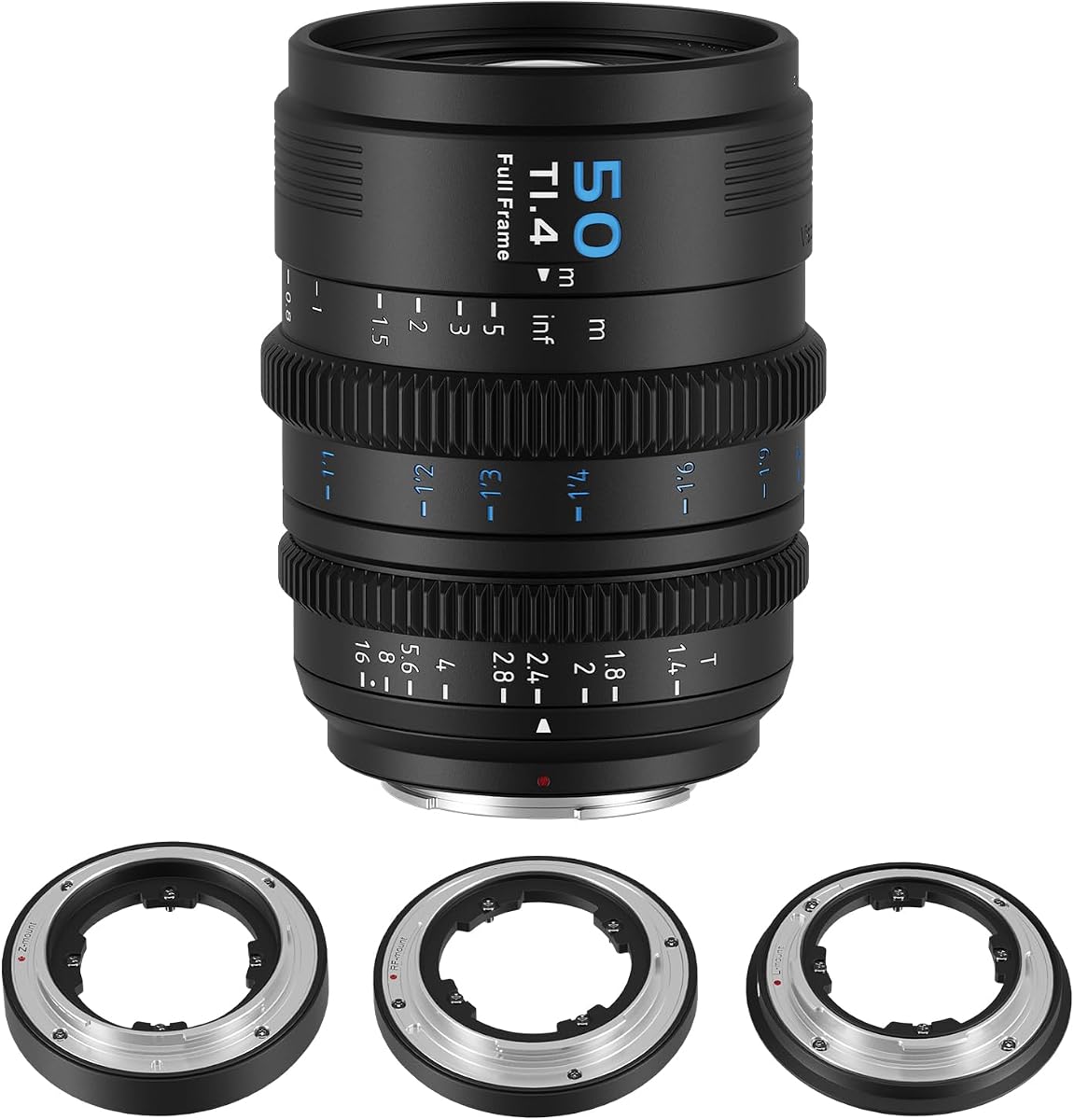


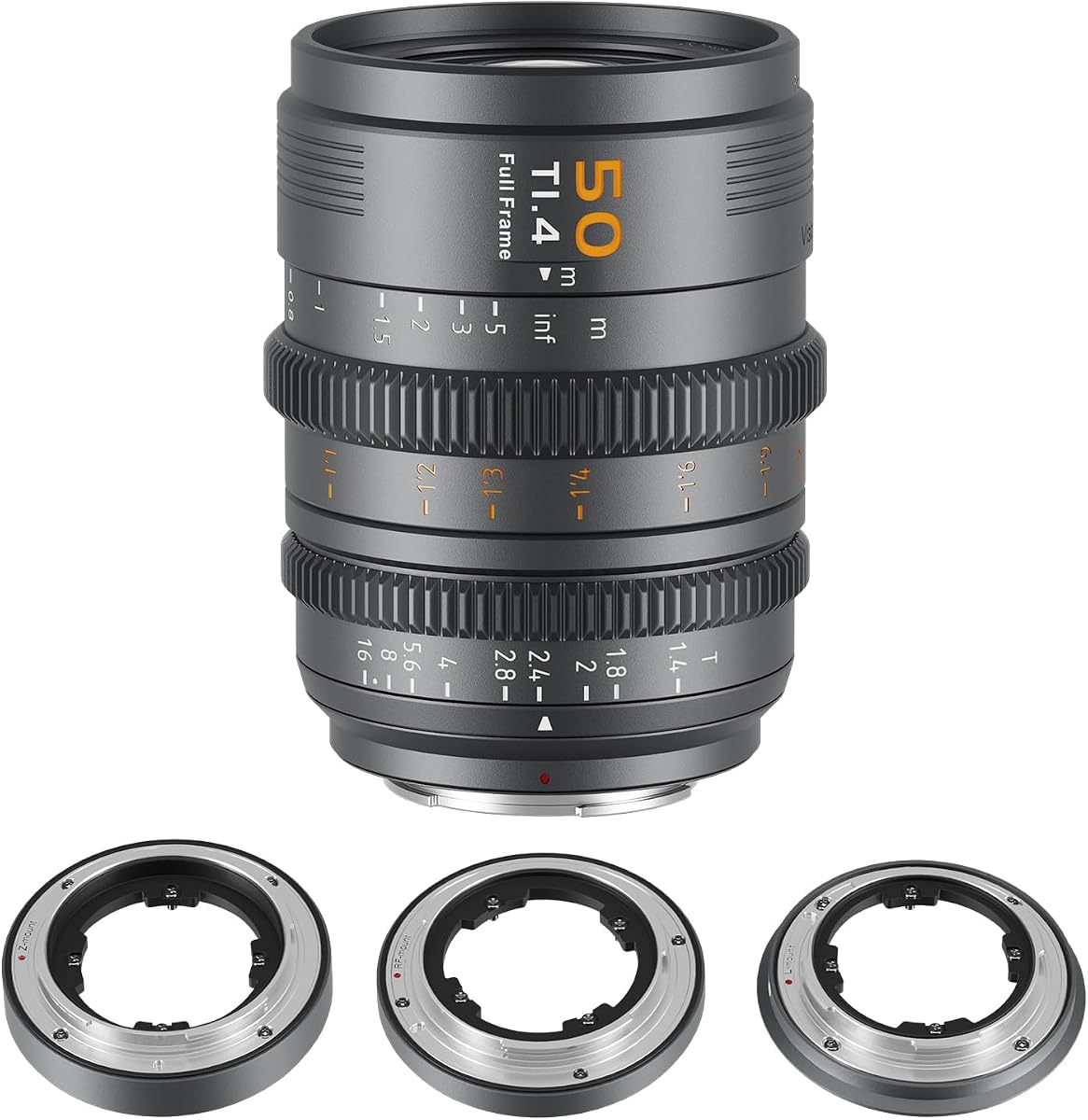
The SIRUI VP-1 Vision Prime 1 50mm T1.4 is the most versatile Cine Lens in our roundup. It earns a perfect rating for its ability to switch between E RF Z and L mounts without replacing the entire lens. This flexibility saves time and money for creators using multiple camera bodies.
We may earn a commission when you buy through this link, at no additional cost to you.
Optically this lens delivers edge to edge sharpness thanks to aspherical and ED glass elements. The T1.4 aperture allows for stunning low light shooting and dreamy bokeh that separates subjects beautifully. Its aluminum body is durable yet light enough for gimbal work and handheld documentary shooting.
While the manual focus ring is smooth it requires practice for accurate pulls. The interchangeable mount system is great but adds a small step when switching cameras. These trade offs are acceptable given the price point and the quality of glass provided.
Buy this if you need one lens that works across Sony Canon Nikon and Panasonic systems. It is ideal for indie filmmakers who value optical quality and portability over autofocus speed. The consistent design across the Prime 1 set also helps when swapping focal lengths during production.
The interchangeable mount system allows you to buy once and adapt later as your camera ecosystem changes. This future proofing makes the VP-1 a smart long term investment.
Advanced glass elements minimize chromatic aberration and distortion so your footage remains clean even at wide apertures. This ensures high resolution sensors capture detail without artifacts.
We may earn a commission when you buy through this link, at no additional cost to you.
The Rokinon Cine DS DS85M-C 85mm T1.5 is the top pick for filmmakers on a tight budget. It offers full frame coverage and a fast T1.5 aperture at a fraction of the cost of premium cinema glass. This makes high quality portrait work accessible to everyone.
We may earn a commission when you buy through this link, at no additional cost to you.
Its new DS line ensures color matching and unified gear positions with other Rokinon Cine DS lenses. This consistency is crucial when building a lens kit over time. The 8 blade iris creates attractive circular bokeh that enhances portrait depth.
The lens is built for Canon EF mounts so it may need adapters for mirrorless cameras. It is also heavier than some modern primes which can affect handheld balance. These limitations are minor given the optical performance and build quality offered.
Choose this if you shoot portraits or need a fast prime on Canon DSLR or mirrorless systems. It is perfect for students and indie creators who want professional results without breaking the bank. The DS gear system allows easy upgrades to wider focal lengths later.
The 85mm focal length is a classic choice for headshots and interviews. It compresses backgrounds naturally while keeping the subject sharp and distinct.
Unified aperture and gear positions mean you can switch lenses quickly without recalibrating accessories. This saves valuable time on set during tight shoots.
We may earn a commission when you buy through this link, at no additional cost to you.
The DZOFILM Pictor 50-125mm T2.8 stands out as the only zoom in this roundup. It maintains focus across the entire zoom range thanks to its parfocal design. This feature is essential for professional shoots where changing focal lengths without refocusing is necessary.
We may earn a commission when you buy through this link, at no additional cost to you.
Its minimal focus breathing ensures the image does not shift during zooming or focusing. The 16-slat iris allows for precise light control and smooth background transitions. The lens is compatible with PL and Canon EF mounts fitting into most professional rigs.
This lens is expensive and designed for Super35 sensors so full frame users need to verify coverage. It is also larger and heavier than the prime options listed here. These factors limit it to dedicated production budgets where versatility is paramount.
Invest in this if you need a versatile zoom for narrative or commercial work. It delivers cinema grade optical performance that justifies the cost. The parfocal nature and consistent exposure make it a powerful tool for any serious filmmaker.
Unlike standard video lenses this optic holds focus while you zoom. This eliminates the need to constantly refocus which speeds up shooting significantly.
Built to withstand rugged use the lens delivers consistent color and contrast across all focal lengths. This ensures your footage matches easily in post production.
We may earn a commission when you buy through this link, at no additional cost to you.
The Rokinon 35mm T1.5 Cine DS Lens is a solid wide angle choice for Canon EF users. It shares the DS line benefits of color matching and unified gear positions. This makes it easy to pair with other lenses in the set for a cohesive look.
We may earn a commission when you buy through this link, at no additional cost to you.
Its T1.5 aperture allows for strong low light performance and beautiful depth of field control. The full frame coverage ensures you utilize your entire sensor. The minimum focus distance of 12 inches provides flexibility for close ups.
The 77mm filter size means you need larger and potentially more expensive filters than smaller lenses. Like other Rokinon EF options it requires adapters for mirrorless cameras. These are minor inconveniences given the optical quality and price.
Select this if you need a standard wide angle for events or landscapes. It works well in mixed lighting due to the fast aperture. The DS gear makes it a great addition to a growing EF based kit.
Being part of the DS line ensures this lens matches colors and gears with others in the series. This reduces color grading time and speeds up lens changes.
35mm is a natural perspective close to the human eye. It is perfect for run and gun shooting or environmental portraits.
We may earn a commission when you buy through this link, at no additional cost to you.
The SIRUI Night Walker 35mm S35 is designed for shooting in difficult lighting. Its T1.2 aperture lets you capture clean images without raising ISO. This is crucial for maintaining noise levels in dark environments like concerts or night scenes.
We may earn a commission when you buy through this link, at no additional cost to you.
The lens is incredibly lightweight at 500g making it easy to balance on gimbals. The aluminum housing is sturdy yet portable for travel. The 12 aperture blades ensure smooth bokeh circles that look professional on screen.
It covers S35 sensors so full frame cameras might show vignetting or need crop modes. The focus ring is manual which requires steady hands or follow focus. These trade offs are worth it for the speed and lightness offered.
Choose this for documentary or run and gun work where speed and low light matter. The weight is a huge plus for handheld shooting. It is an excellent companion for cameras like the Sony FX30 or A6600.
At 500g this lens is light enough for long shooting sessions without fatigue. It pairs well with smaller camera bodies and gimbals.
The T1.2 aperture allows more light into the sensor. This results in cleaner images and greater creative control over depth of field.
We may earn a commission when you buy through this link, at no additional cost to you.
The SIRUI Night Walker 24mm S35 brings wide angle versatility to RF mount cameras. It is ideal for environmental storytelling and street scenes. The T1.2 aperture allows for creative separation even at wide angles.
We may earn a commission when you buy through this link, at no additional cost to you.
With a minimum focus distance of 0.3m you can get close to subjects for detail shots. The optical design minimizes focus breathing and aberrations for clean footage. It is built for RED Komodo and Canon R series cameras.
Wide angles like 24mm can introduce distortion at the edges but this lens controls it well. S35 coverage means it is not optimized for full frame RF bodies. These are standard trade offs for crop specific lenses.
Buy this if you need a wide prime for Canon RF crop cameras. It is great for interiors and landscapes. The focus distance allows for creative close-ups without switching lenses.
Native compatibility with Canon RF crop cameras makes setup easy. This includes models like the R7 and R10.
Focusing as close as 0.3m enables macro-like shots with a wide perspective. This is perfect for product and texture work.
We may earn a commission when you buy through this link, at no additional cost to you.
The SIRUI VP-1 Vision Prime 1 50mm T1.4 also appears in our list with slightly different feedback. It offers the same versatility as the top pick but some users noted variances in build feel. It remains a strong candidate for multi mount users.
We may earn a commission when you buy through this link, at no additional cost to you.
Engineered for 8K it delivers sharpness and minimal chromatic aberration. The aluminum alloy body is durable and consistent with other lenses in the set. The T1.4 aperture is great for low light and creative separation.
Some users reported differences in weight distribution compared to other VP-1 lenses. The manual focus ring is smooth but can be tight. These are minor issues that do not detract from the lens overall performance.
If you prefer the E/RF/Z/L system this lens fits your needs. It is a cost effective way to get high performance glass. Check compatibility carefully if using multiple bodies.
The lens matches other Prime 1 lenses in size and gear position. This makes swapping lenses during shoots seamless and efficient.
Advanced elements ensure edge to edge sharpness. This is vital for high resolution video formats and cropping.
We may earn a commission when you buy through this link, at no additional cost to you.
The SIRUI Night Walker 24mm for M4/3 is a perfect match for cameras like the GH6 and BMPCC4K. It offers the same optical excellence as its RF and E mount siblings. The T1.2 aperture allows for clean night shooting without noise.
We may earn a commission when you buy through this link, at no additional cost to you.
Its aluminum housing is rugged and lightweight. The lens focuses close at 0.3m for creative detail shots. The 12 aperture blades ensure pleasant bokeh. Ratings for this mount variant are exceptionally high due to perfect pairing with M4/3 bodies.
The S35 design means it might overhang on full frame cameras but fits M4/3 perfectly. Manual focus rings require practice. These are expected features for a Cine Lens at this price point.
Buy this for M4/3 shooters needing a wide fast prime. It is ideal for travel and documentary work. The weight and optical quality make it a standout choice.
Designed for Micro Four Thirds cameras this lens balances well and maximizes sensor capabilities. It is a favorite among Panasonic and Olympus users.
The T1.2 aperture captures more light for better exposure in dark scenes. This improves image quality by allowing lower ISO.
We may earn a commission when you buy through this link, at no additional cost to you.
The Rokinon DSX85 85mm T1.5 is another strong portrait option for EF mounts. It uses a 9 element design and ultra multi coated glass for clarity. The T1.5 aperture provides excellent low light performance.
We may earn a commission when you buy through this link, at no additional cost to you.
The aperture range extends to T34 giving great flexibility for depth of field. It uses 72mm filters like other Rokinon lenses. The DSX coating reduces flare and ensures color consistency.
The DSX series gear positions differ from the DS line which may affect accessory compatibility. This is a consideration if you already own DS gear. However the optical quality remains high.
Choose this if you need an affordable 85mm for portraits. It delivers clean sharp images at a low cost. The T1.5 aperture is a strong asset for events.
Ultra multi coating on glass reduces flare from bright light. This ensures clean images even in challenging lighting.
The T1.5 to T34 range gives flexibility for both shallow and deep depth of field. This versatility helps in various shooting conditions.
We may earn a commission when you buy through this link, at no additional cost to you.
The ROKINON CINE DS T1.5 Cinema Lens Kit is the ultimate value proposition for EF shooters. It includes 24 35 50 and 85mm lenses so you can shoot any scene. All lenses are color matched and have unified gears for seamless workflow.
We may earn a commission when you buy through this link, at no additional cost to you.
The de-clicked aperture rings allow for smooth exposure changes during video. Every lens has a T1.5 aperture ensuring consistent light gathering. The kit comes in a sturdy case for transport and storage.
While the cost is higher than single lenses the value per lens is low. The total weight can be significant if you carry the whole set. However you save money compared to buying individually.
Buy this kit if you are building a complete EF cine setup. It is ideal for startups and productions needing versatility. The consistency across the set makes it easy to use on set.
With four focal lengths you cover wide to portrait ranges. This flexibility is essential for comprehensive storytelling.
All lenses share the same gear positions and diameters. This means your focus and aperture accessories work across all four.
We may earn a commission when you buy through this link, at no additional cost to you.
Selecting a Cine Lens requires considering mount compatibility aperture and optical design. This section breaks down key factors to help you make an informed decision.
Ensure the lens mount matches your camera body natively or via reliable adapter. Full frame lenses may not work well on crop sensors without vignetting. Interchangeable mount systems offer flexibility but require careful handling.
Verify that the mount matches your camera body and does not require heavy adapters.
Look for T values below T2 for low light performance. Faster lenses allow more control over depth of field. However they may be heavier and cost more.
Prioritize T1.5 or T1.2 for low light and bokeh control.
Choose focal lengths that suit your shooting style. Wide angles like 24mm work for environments while 85mm suits portraits. Consider your sensor size when calculating crop factors.
Select focal lengths that match your typical shot composition.
Manual focus rings should be smooth with adequate throw. Standard Cine lenses use 0.8 pitch gears for accessories. Avoid lenses with short throws for precise focusing.
Ensure the focus ring is smooth and uses standard gears.
Metal bodies are more durable than plastic and resist heat. Look for weather sealing if you shoot outdoors. Weight affects gimbal balance and handheld fatigue.
Choose metal bodies for durability and thermal stability.
Check for ED or aspherical elements to reduce aberrations. High quality coatings minimize flare and ghosting. Consistency across focal lengths helps with color matching.
Opt for lenses with ED glass and quality coatings for sharpness.
Budget lenses may lack build features but offer great glass. Premium lenses provide consistency and ruggedness. Decide based on your project needs and budget.
Balance optical quality with build features and cost.
Buying a set ensures color and gear consistency. Single lenses are cheaper but require more research. Kits save time when building a full setup.
Kits offer consistency while single lenses offer targeted savings.
Mount your Cine Lens securely to the camera using the locking collar. Ensure all screws and adapters are tightened to prevent slippage during movement. Use a proper rig to distribute weight and protect the mount.
Set your focus rings to the desired mark using a follow focus system. Practice focus pulls by marking start and end points on the ring. This ensures smooth transitions during recording. Avoid touching the glass directly to prevent smudges.
Clean the lens with a soft blower and microfiber cloth. Store lenses in a dry case with silica gel to prevent mold. Regularly check gears for wear and replace if needed.
Cine lenses prioritize smooth focus pulls and color consistency over autofocus speed. They feature de-clicked aperture rings and standardized gear positions for accessories. This design makes them better for video production than still photography lenses.
Most Cine lenses are manual focus only but work on autofocus cameras via adapter. They are designed for video operators who want manual control. You will need to pull focus manually during recording.
Cine lenses are built with higher tolerances for color matching and durability. They feature standardized gears and smooth focus mechanisms that cost more to manufacture. The optics are optimized for video rather than stills.
T1.5 is a good standard for low light and background separation. If you shoot often in dark scenes consider T1.2. Higher values like T2.8 are brighter but offer less shallow depth of field.
Yes full frame lenses work on crop sensors with a crop factor. This effectively lengthens the focal length. Make sure your camera has enough sensor clearance for the mount adapter.
Parfocal lenses maintain focus when zooming while varifocal lenses do not. Parfocal is preferred for professional video to avoid refocusing after zoom. The DZOFILM Pictor is a parfocal zoom in this guide.
The SIRUI VP-1 Vision Prime 1 leads our list for versatility and optical quality. Rokinon offers budget friendly options with solid performance for EF users. DZOFILM stands out with its professional parfocal zoom lens.
Prioritize mount compatibility and aperture speed based on your camera system. Ensure your chosen lens supports your typical shooting environments like low light or outdoor conditions. Consider kit consistency if building a full set.
Check current prices and availability before purchasing. Stock fluctuates so verify listings on trusted retailer sites. Use this guide to match your needs with the right Cine Lens.