
Dissolved Oxygen Meter with ATC
4.3Editor score
Extended 0 to 40 mg/L range
Automatic temperature compensation included
Complete calibration kit provided
This guide compares the top ten dissolved oxygen sensors for water quality monitoring across aquaculture, hydroponics, and environmental research applications.
Monitoring dissolved oxygen levels is critical for maintaining healthy aquatic environments and ensuring successful hydroponic growth. High quality sensors provide accurate readings that help prevent fish stress and root rot in plants. Choosing the right device depends on your specific needs and budget constraints.
We evaluated ten leading dissolved oxygen sensors based on accuracy, ease of use, and durability. Our comparison includes handheld meters, modular kits for IoT projects, and industrial grade probes. Each product offers unique features suited for different applications and user skill levels.
Each pick highlights key specifications and real world performance characteristics for informed decisions. Prices and availability fluctuate frequently so verify current details before purchasing. This guide helps you select a sensor that meets your monitoring requirements effectively.
4.3Editor score
4.4Editor score

4.8Editor score
The following table provides a side-by-side comparison of all ten dissolved oxygen sensors evaluated in this guide. It highlights key specifications to help you quickly identify the model that fits your application needs.



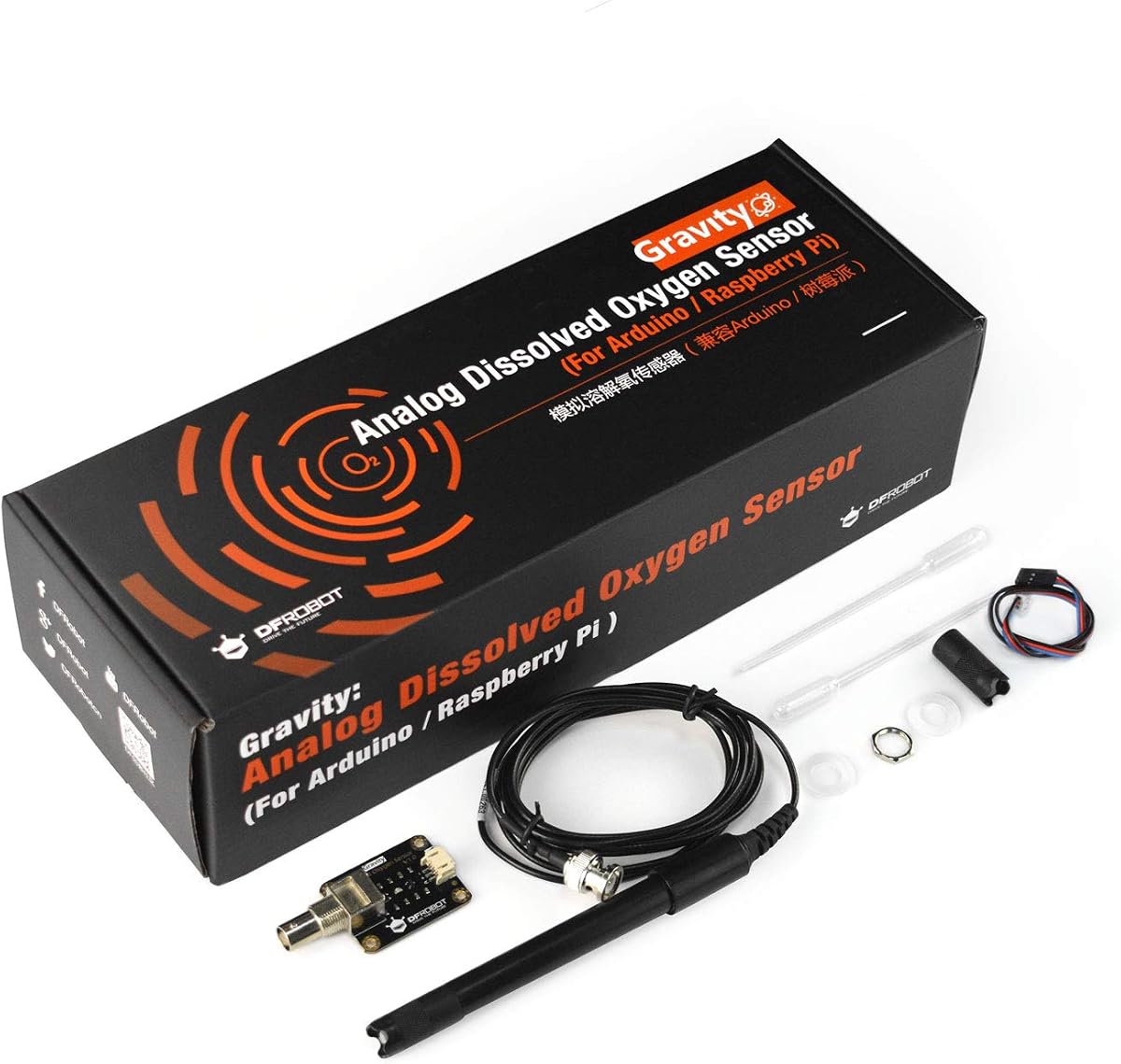
The Gravity Analog Dissolved Oxygen Sensor Kit stands out as a top choice for makers and IoT developers monitoring water quality. With a 4.4 rating it offers a galvanic probe that eliminates the need for polarization time. This makes it ideal for projects requiring instant measurements without waiting for the sensor to stabilize.
We may earn a commission when you buy through this link, at no additional cost to you.
Its hardware filtering ensures smooth analog voltage output reducing the need for complex software processing. The kit includes detailed tutorials and open-source code for quick calibration. You can deploy this sensor in aquaculture or lab environments efficiently using standard Gravity interfaces.
While the filling solution is not included due to shipping restrictions it is easy to prepare locally. The spare membrane cap included helps maintain long term operation without replacing the entire probe. This significantly reduces maintenance costs for hydroponics and research setups.
This sensor is perfect for anyone building custom water monitoring systems with Arduino or Raspberry Pi. Its compact design and low power requirements suit intermittent power supplies. The open-source support ensures you have the tools needed for precise temperature compensation and deployment.
The galvanic probe design allows immediate measurement without pre-heating or polarization. This feature is crucial for intermittent power applications where rapid startup is necessary.
Replacing the membrane cap instead of the whole probe keeps costs down over time. A spare cap is included to ensure your project continues running smoothly.
We may earn a commission when you buy through this link, at no additional cost to you.
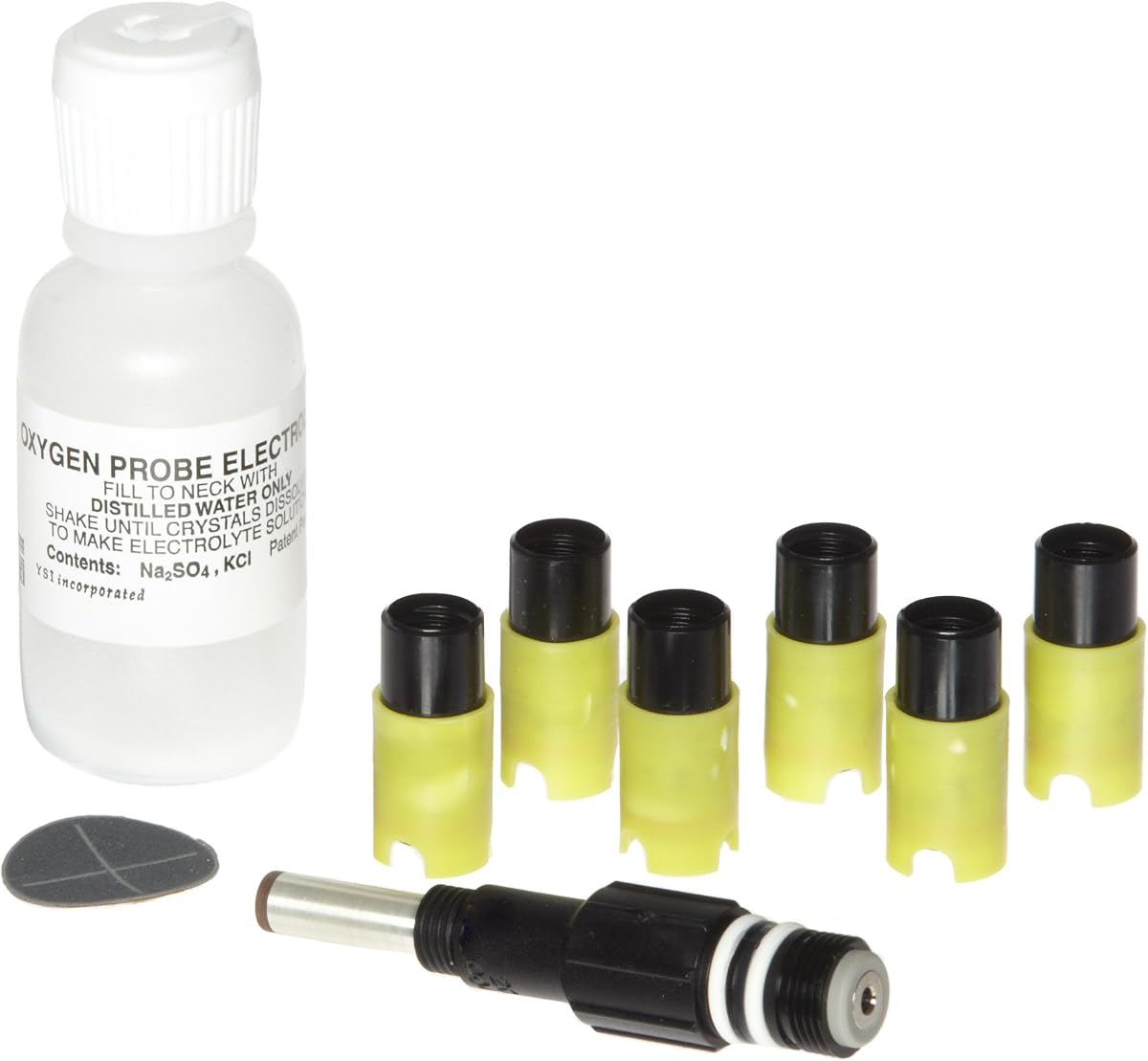
The YSI 605202 Pro Series Galvanic Dissolved Oxygen Sensor earns a 4.8 rating for its reliability and ease of maintenance. It features a user replaceable sensor design that allows quick swaps without tools. The screw on cap membranes make changing consumables simple and straightforward.
We may earn a commission when you buy through this link, at no additional cost to you.
This sensor comes with six membrane caps and a bottle of solution ensuring you have supplies ready to go. Its galvanic technology provides stable readings for various aquatic applications. The design focuses on minimizing downtime during maintenance routines.
While it is priced higher than some alternatives the quality justifies the investment for professional use. The inclusion of multiple caps and solution reduces the need for immediate repurchasing. This is ideal for frequent monitoring where sensor degradation is a concern.
Choose this sensor if you need a robust solution that minimizes hassle during replacements. The high rating reflects user satisfaction with its performance and durability. It is well suited for aquaculture or research settings requiring consistent accuracy.
The design allows easy sensor swaps without any special tools. This saves time and effort during routine maintenance cycles.
Included membranes and solution help you keep the sensor running longer. Having these supplies on hand prevents unexpected downtime.
We may earn a commission when you buy through this link, at no additional cost to you.
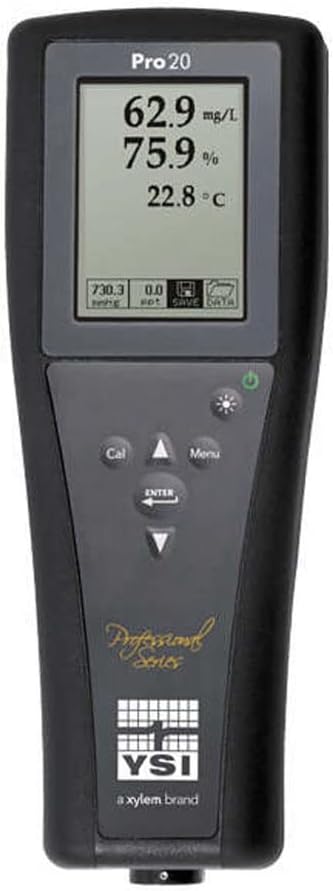
The YSI 6050020 Pro20 Handheld Dissolved Oxygen Meter is a dedicated tool for field monitoring with a 4.4 rating. It features One Touch Cal enabling calibration within three seconds. The display stores 50 data sets so you do not need to write down readings manually.
We may earn a commission when you buy through this link, at no additional cost to you.
Its graphic backlit display and glow in the dark keypad ensure visibility in low light conditions. Automatic barometric pressure compensation improves accuracy across varying elevations. This makes it a solid choice for environmental monitoring and water quality studies.
Note that this listing is for the meter only so you may need to source a compatible probe separately. The simplicity of the interface helps reduce training time for field staff. The data storage function is particularly useful for long term trend analysis.
If you need a handheld unit that simplifies data logging and calibration this model delivers. It is built for durability in outdoor environments. Verify probe compatibility before purchase to ensure full functionality.
One Touch Cal allows calibration in just three seconds with a button press. This speeds up field operations significantly.
Storing 50 data sets means you do not need a separate notebook. This reduces the risk of losing recorded measurements.
We may earn a commission when you buy through this link, at no additional cost to you.
The YSI 6900 ProDSS ODO Optical Dissolved Oxygen Sensor is designed for integration with ProDSS systems. Optical sensors typically offer higher accuracy and less maintenance than traditional electrochemical ones. It is built for continuous deployment in water quality monitoring applications.
We may earn a commission when you buy through this link, at no additional cost to you.
This sensor uses optical technology to measure dissolved oxygen levels without consuming oxygen during measurement. This design reduces interference and improves long term stability. It is part of a larger ecosystem for multi-parameter water analysis.
Since it is sold as a sensor each you must ensure your meter supports the ProDSS interface. There is no rating available for this specific listing so research user feedback on the broader system. It is a professional grade component for rigorous monitoring needs.
Select this sensor if you require optical accuracy and system compatibility with ProDSS. It is ideal for researchers and agencies needing reliable continuous data. Always check meter compatibility before investing.
Optical sensors provide stable readings with less drift over time. They are ideal for long term continuous monitoring tasks.
This sensor is designed to work seamlessly with ProDSS meters. Ensure your system supports this interface before purchase.
We may earn a commission when you buy through this link, at no additional cost to you.
The Dissolved Oxygen Meter with ATC is a budget friendly option with a 4.3 rating offering an extended range up to 40 mg/L. It includes electrode filling fluid and anaerobic water calibration powder so you can start testing immediately. The ATC function ensures precise results despite temperature changes.
We may earn a commission when you buy through this link, at no additional cost to you.
Its clear digital LCD screen provides easy readability and it features auto power off to save battery. The package includes protective covers and calibration materials for convenience. This meter is well suited for aquariums ponds and general research.
The lack of a backlight might limit use in dim conditions but this is acceptable for the price. The wider range compared to standard meters adds versatility for different applications. The auto power off feature extends battery life significantly.
This meter is ideal for hobbyists and small scale operations needing reliable readings without high costs. The included supplies save time and money on initial setup. It is a practical choice for basic water quality monitoring.
With a range up to 40 mg/L this meter supports more applications than standard 0 to 20 mg/L devices. This adds flexibility for diverse testing needs.
Included fluids and powder allow immediate use without extra purchases. This reduces initial setup time and costs.
We may earn a commission when you buy through this link, at no additional cost to you.
The Dissolved Oxygen Meter for Pond is a digital kit designed for fish ponds and aquariums with a 3.6 rating. It offers two units mg/L and percentage of saturation. The 3.6 ft cable allows easy measurement without moving the water body.
We may earn a commission when you buy through this link, at no additional cost to you.
It includes zero oxygen water calibration solution electrolyte solution and membranes for convenience. The backlit display helps you read data in dim environments around ponds. 2 point calibration ensures high accuracy for aquatic life requirements.
While the rating is lower it remains a useful tool for ensuring oxygen levels stay above 6 mg/L for fish. The auto shutoff feature extends battery life during infrequent use. It is portable enough for hydroponic systems and small tanks.
This meter is suitable for pond owners who need a dedicated tool for checking oxygen levels. The included accessories reduce the need for immediate replacements. It is a practical option for maintaining healthy aquatic environments.
The 3.6 ft cable makes it easy to measure deep water without moving the tank. This convenience is key for pond testing.
Included calibration solution and membranes help you maintain accuracy over time. This saves effort when the sensor requires adjustment.
We may earn a commission when you buy through this link, at no additional cost to you.
The Dissolved Oxygen Meter with 11.48 ft Cable is ideal for larger water bodies requiring deep measurement. It includes a 4.0 rating and features a massive cable length to reach bottom depths. It also stores 99 data sets and has an IRDA port for data transfer.
We may earn a commission when you buy through this link, at no additional cost to you.
Beyond DO it measures temperature salinity and barometric pressure. The large LCD displays all parameters clearly. This versatility makes it useful for aquaculture environmental monitoring and industrial applications.
The auto power off and low battery indicators ensure reliable operation. The probe has a life of over 12 months with maintenance. The complete kit includes batteries membranes and electrolytes for immediate use.
This meter is best for users needing multi parameter data and extensive reach. The memory and transfer features support detailed analysis. It is a solid choice for professional monitoring tasks.
Measuring salinity and pressure alongside DO gives a comprehensive water profile. This is vital for aquaculture and research.
The 11.48 ft cable allows testing at depth without moving the water. This is essential for ponds and industrial tanks.
We may earn a commission when you buy through this link, at no additional cost to you.
The Milwaukee MW600 LED Economy Portable Dissolved Oxygen Meter offers a 4.2 rating ideal for educational and basic aquaculture use. It features a polarographic probe with a 3m cable and 0.1 mg/L resolution. The 2 point manual calibration ensures accuracy for classroom or field tests.
We may earn a commission when you buy through this link, at no additional cost to you.
Automatic temperature compensation works from 0 to 30 degrees. The LED display is clear and easy to read during demonstrations. Its design focuses on providing reliable readings without complex features.
While it lacks advanced data storage it is sufficient for immediate monitoring needs. The probe requires regular maintenance including membrane changes. This helps students learn proper sensor handling and calibration procedures.
Choose this meter for schools or training programs needing a dependable entry level tool. The price point supports purchasing multiple units. It is a practical choice for introductory water quality studies.
Designed with classrooms and basic fieldwork in mind. The manual calibration teaches proper techniques to users.
The LED screen ensures visibility during demonstrations. This aids in teaching and quick reference.
We may earn a commission when you buy through this link, at no additional cost to you.
The Apera Instruments AI480 DO850 Optical Dissolved Oxygen Meter Kit is a premium choice with a 4.8 rating. It uses optical sensors that require no solution refill or frequent membrane changes. The IP67 waterproof design makes it suitable for harsh environments.
We may earn a commission when you buy through this link, at no additional cost to you.
It includes a 10 ft optical probe and calibration cap for hassle free testing. Auto calibration for saturated air and zero oxygen simplifies the process. The rugged carrying case ensures safe transport to field sites.
The optical sensor reduces long term maintenance compared to electrochemical probes. The easy setup helps save time and resources. It is ideal for professional use where reliability and durability are paramount.
This kit is best for agencies or businesses needing a durable high performance solution. The price reflects the advanced technology and low maintenance. It stands out for ease of use and long term value.
Optical sensors do not require solution refills or frequent membrane changes. This reduces the time spent on upkeep significantly.
The IP67 waterproof and dust proof structure allows use in harsh conditions. This durability ensures consistent performance outdoors.
We may earn a commission when you buy through this link, at no additional cost to you.
The YSI 605203 Pro Series Polarographic Dissolved Oxygen Sensor has a 4.6 rating and is designed for lab and professional use. It is a polarographic sensor that works with Pro series meters. Its compact dimensions allow integration into tight spaces.
We may earn a commission when you buy through this link, at no additional cost to you.
Polarographic sensors offer reliable performance for various analytical applications. This model supports rigorous testing needs. It is part of a trusted ecosystem for water quality monitoring.
Users should note that polarographic sensors require regular electrolyte and membrane changes. This maintenance ensures long term accuracy and is standard for this technology. It is a solid choice for established labs.
Select this sensor if you need a polarographic option compatible with YSI systems. The rating reflects satisfaction with its performance. Verify your system compatibility to ensure seamless operation.
Designed for controlled environments requiring consistent accuracy. The polarographic technology is proven for lab applications.
This sensor fits directly into YSI Pro series instruments. Ensure your system supports this specific model.
We may earn a commission when you buy through this link, at no additional cost to you.
Selecting the right dissolved oxygen sensor depends on your specific application technical requirements and budget. Consider these key factors to find a model that meets your monitoring needs effectively.
Dissolved oxygen sensors generally use galvanic polarographic or optical technologies. Galvanic and polarographic sensors require membranes and electrolytes and need periodic replacement. Optical sensors offer higher accuracy and less maintenance but cost more. Choose based on your tolerance for maintenance and budget constraints.
For long term deployment with minimal upkeep optical sensors are preferred. For budget conscious projects galvanic or polarographic options work well.
Standard meters measure 0 to 20 mg/L but some extend to 40 mg/L. Ensure the range suits your application such as high saturation aquaculture. Accuracy levels vary by model so check resolution and tolerance specs for your needs.
Higher accuracy is essential for research and industrial use. Standard ranges suffice for most aquarium and pond applications.
Calibration complexity varies between one touch automatic and manual 2 point methods. Auto calibration simplifies field work while manual offers more control. Look for units with clear instructions and included calibration materials.
Simple calibration reduces human error and saves time in busy environments.
Some sensors store multiple data sets and offer IRDA or USB connectivity. This helps with long term analysis and reporting. If you need to track trends over time select a model with memory features.
Basic models are adequate for immediate readings without data logging needs.
Field use requires rugged construction and waterproof ratings like IP67. Handheld meters should survive drops and exposure. For industrial or harsh environments check durability claims.
Invest in durable housings if the sensor will be used outdoors frequently.
Electrochemical sensors require regular membrane and electrolyte changes. Optical sensors need less upkeep but still require care. Consider the cost and frequency of consumables when selecting.
Low maintenance models reduce operating costs over time.
For integrated systems ensure the sensor works with your meter or IoT controller. Check voltage output and communication protocols. DIY kits often work with Arduino or Raspberry Pi.
Verify compatibility before purchase to avoid integration issues.
Prices range from under 100 to over 1000 for advanced kits. Balance upfront cost with long term maintenance and durability. Budget models suit hobbyists while premium ones suit professionals.
Consider total cost of ownership including consumables and replacement parts.
Before first use ensure the sensor membrane is intact and filled with the required electrolyte solution. Calibrate the meter using zero and 100% air saturated water as instructed. This ensures accurate baseline readings.
During testing immerse the probe slowly into the water avoiding air bubbles. Stir gently to ensure fresh water contacts the membrane. Allow time for the reading to stabilize before recording.
After use rinse the probe with clean water and store with the protective cap. Replace membranes periodically as recommended by the manufacturer. Regular calibration maintains accuracy over the long term.
Calibrate your sensor before each major testing session or weekly for continuous use. If readings drift unexpectedly recalibrate immediately. Frequent calibration ensures accuracy especially if the environment changes.
Most fish require at least 6 mg/L of dissolved oxygen to thrive. Levels below 4 mg/L can stress aquatic life. Monitor closely during hot weather when oxygen solubility decreases.
Inconsistent readings often stem from air bubbles on the membrane or temperature changes. Ensure the probe is submerged and stirring gently. Calibrate if temperatures shift outside the compensation range.
Many sensors work in salt water but may require salinity compensation. Check the product specs for salinity range. Some models include manual salinity settings for adjustments.
Replace the membrane if readings drift or take too long to stabilize. Visible damage or aging also indicates replacement. Follow the manufacturer maintenance schedule.
Optical sensors are generally better for aquaculture due to low maintenance and accuracy. Galvanic sensors work well but need more upkeep. Choose based on your maintenance capacity.
A typical sensor lasts 1 to 2 years with proper maintenance. Optical probes often last longer than electrochemical ones. Regular care extends lifespan significantly.
Yes optical sensors usually require a compatible optical meter. Ensure your device supports optical probe connections. Verify compatibility before purchasing.
This guide reviewed ten dissolved oxygen sensors ranging from DIY kits to premium optical units. The Gravity kit is excellent for IoT projects while the Apera kit leads in reliability. Select based on your needs and budget constraints.
Prioritize accuracy and maintenance needs when choosing a model. Optical sensors reduce long term upkeep. Ensure the range and features fit your specific application requirements.
Prices and availability change so check current listings before purchasing. Verify sensor compatibility and support resources. With the right sensor you can maintain healthy aquatic environments effectively.