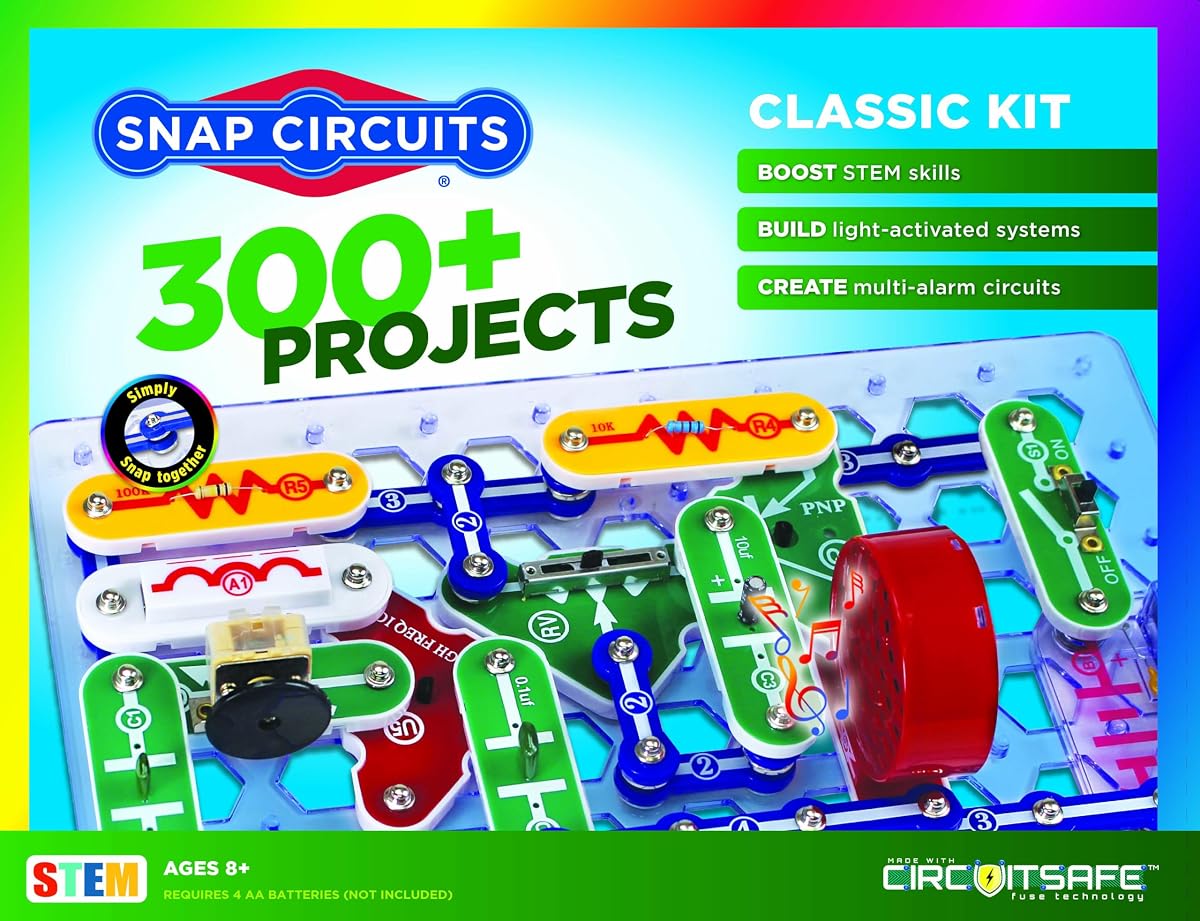
SNAP CIRCUITS Classic SC-300 STEM Electronics Kit
4.8Editor score
300+ Easy Projects
No Soldering Required
Color-Coded Snap Parts
Discover the top electronics kits for teens this October. Our guide compares ten diverse options including Arduino starters and soldering projects to help you
Finding the right electronics kits for teens can transform curiosity into tangible engineering skills. These kits provide hands-on experience with circuits, coding, and component assembly. A good kit balances complexity with accessibility to ensure sustained engagement and learning.
We evaluated ten leading products based on component variety, educational value, and build quality. Each option offers unique features ranging from plug-and-play modules to advanced soldering challenges. Our comparison highlights strengths to help you match a kit to a teen skill level.
Each review details specific project possibilities, required tools, and learning outcomes. We include clear pros and cons to guide your decision-making process effectively. Please note that pricing and availability may change, so verify current details before purchasing.
4.8Editor score

4.7Editor score

4.5Editor score
This table provides a side-by-side overview of all ten electronics kits for teens featured in this guide. It highlights key specifications and capabilities to help you quickly identify the best fit for specific learning goals.


The ELEGOO Mega 2560 R3 stands out as the most comprehensive electronics kit for teens eager to master advanced projects. With a rating of 4.7, it offers unparalleled flexibility through its massive pin count and memory capacity. This kit is perfect for those ready to move beyond basic LED blinking into complex systems involving displays and multiple sensors.
We may earn a commission when you buy through this link, at no additional cost to you.
Its standout quality lies in the sheer volume of included components. You get access to 200 parts covering LCDs, RFID readers, and various motors. The guided lessons walk users through building real-world applications like access control systems and environmental monitors. This progression ensures learners understand not just how to connect parts but why they function together.
While the Mega board is powerful, it can be intimidating for absolute beginners. The sheer number of pins might confuse those new to circuitry. However, the organized storage and pre-soldered modules mitigate setup frustration. These trade-offs are acceptable because the kit grows with the user's skills over years.
Buy this if your teen has basic coding experience or shows strong interest in engineering challenges. It is the ultimate choice for STEM clubs or dedicated home labs. The investment pays off through hundreds of hours of structured learning and creative freedom.
The Mega 2560 provides significantly more digital I/O and PWM pins than standard boards. This allows connecting dozens of sensors simultaneously without needing complex multiplexing boards.
Over 35 guided projects range from simple button inputs to interactive displays. Each lesson builds on previous knowledge to reinforce coding and circuit design principles.
We may earn a commission when you buy through this link, at no additional cost to you.
The ELEGOO UNO R3 Project Starter Kit is designed specifically for beginners stepping into the world of electronics and coding. Its 4.7 rating reflects high satisfaction among students and parents alike. This kit simplifies the learning curve by providing exactly what is needed for core projects without unnecessary complexity.
We may earn a commission when you buy through this link, at no additional cost to you.
Key strengths include the inclusion of a 9V power supply and organized storage. These practical additions save time searching for accessories and keep components safe between sessions. The guided lessons start with simple LEDs and progress to motor control and RFID access. This structured approach builds confidence effectively.
The UNO board has fewer pins than the Mega version which limits large-scale sensor arrays. While not ideal for industrial-style builds it covers almost all learning needs for teens. These limitations are acceptable given the lower cost and easier setup compared to larger kits.
Choose this if your teen is new to electronics or wants a focused introduction to Arduino. It is ideal for school assignments or casual hobby projects. The balance of components and clarity makes it a reliable starting point.
Includes a dedicated 9V power supply and battery holder alongside USB connectivity. This ensures reliable power without needing to borrow cables from computers.
Modules come pre-soldered with headers to reduce wiring errors. This allows teens to focus on logic and code rather than complex soldering tasks.
We may earn a commission when you buy through this link, at no additional cost to you.
The ELEGOO UNO R3 Smart Robot Car Kit transforms coding into a physical driving experience. With a rating of 4.5 it offers a premium feel through its camera and Wi-Fi capabilities. This kit is perfect for teens who want to see their code control a moving object in real-time.
We may earn a commission when you buy through this link, at no additional cost to you.
The onboard camera allows for FPV streaming which is rare at this price point. Teens can control the car via an app or IR remote while viewing the feed live. Guided tutorials cover assembly and coding step-by-step to ensure a successful first drive.
Building the chassis and connecting all modules requires patience and careful attention to wiring. The app interface may require some troubleshooting on initial setup. However these challenges are part of the engineering learning process and ultimately rewarding.
This kit is best for those interested in robotics and autonomous vehicles. It bridges the gap between software and hardware engineering effectively. Buy it for family weekend projects or advanced coding club challenges.
The ESP32-based camera streams video over Wi-Fi for remote driving. This feature introduces concepts of networks and real-time data transmission.
Includes ultrasonic and line-tracking sensors for obstacle avoidance. These components teach how robots perceive and navigate environments autonomously.
We may earn a commission when you buy through this link, at no additional cost to you.
The SNAP CIRCUITS Classic SC-300 delivers pure electronic fun without any soldering or tools. With a high rating of 4.8 it remains a top seller for hands-on learning. This kit uses a color-coded snap grid that makes building circuits safe and intuitive for teens and children.
We may earn a commission when you buy through this link, at no additional cost to you.
Its primary strength is accessibility. You can build over 300 projects ranging from simple alarms to AM radios. The instruction manual provides clear diagrams so users can test theories instantly. This immediate feedback loop keeps engagement high and frustration low.
While it does not support coding or microcontrollers it offers a solid foundation in circuit logic. The plastic pieces can feel less professional compared to PCB boards. However for learning voltage and current flow this physical interaction is invaluable.
Choose this if your teen wants to understand electricity before tackling code. It is excellent for younger teens or those who prefer tactile building. The price makes it a low-risk entry point for electronics exploration.
All components snap securely onto the plastic grid without adhesives or screws. This design ensures safe handling and easy reconfiguration for new experiments.
Projects cover basics like LEDs alongside practical items like doorbells and alarms. This variety demonstrates real-world applications of electricity clearly.
We may earn a commission when you buy through this link, at no additional cost to you.
The MiOYOOW DIY Bluetooth Speaker Kit offers a practical project that results in a usable music player. With a rating of 3.9 it is best suited for those ready to practice soldering skills. The kit includes dual speakers and an LED light system to create an engaging build experience.
We may earn a commission when you buy through this link, at no additional cost to you.
Its main appeal is that it produces a functional speaker. Teens can enjoy their music on the device they built. The amplifier board is pre-soldered to simplify the process. This allows focus on assembling wires and components within the acrylic enclosure.
Some users report that the manual could be more detailed regarding Bluetooth module versions. While instructions are generally clear variations in batches might cause confusion. These issues are minor given the affordable price point and educational value.
Buy this for teens who want to move past breadboarding and solder real joints. It is a perfect holiday gift for students interested in audio tech. The combination of sound and visuals makes it highly motivating.
The kit uses a standard Bluetooth module compatible with most phones. This ensures the final build actually works for daily listening.
LED lights pulse with music to provide visual excitement. This feature adds a dynamic element to the simple speaker project.
We may earn a commission when you buy through this link, at no additional cost to you.
The ELEGOO UNO R3 Super Starter Kit provides excellent value for those seeking an affordable entry into coding. With a rating of 4.7 it includes essential components like an LCD display and motor. The focus is on teaching logic and hardware interaction without overwhelming cost.
We may earn a commission when you buy through this link, at no additional cost to you.
Key strengths include its organized layout and simple tutorials. Users can quickly set up circuits using the solderless breadboard. The lessons progress from simple LED blinking to complex motor control. This structured path builds confidence rapidly for new learners.
It lacks the extensive sensor variety of the Mega kit. While good for standard projects it may require buying extra modules later for advanced work. These limitations are acceptable given its low price and beginner-friendly design.
Choose this if budget is a primary concern. It is perfect for parents looking for a safe introduction to Arduino. The balance of price and quality makes it a reliable choice.
Modules come with headers for easy insertion into breadboards. This reduces the time spent preparing parts and focuses on learning.
Includes temperature and ultrasonic sensors which cover fundamental sensing. These parts teach how to read environmental data effectively.
We may earn a commission when you buy through this link, at no additional cost to you.
This DIY Bluetooth Speaker Kit stands out for its vibrant LED visualizer feature. With a rating of 4.7 it offers a fun way to practice soldering. The kit includes a transparent case that showcases the lights as they pulse with the music.
We may earn a commission when you buy through this link, at no additional cost to you.
The manual is notably high quality with clear steps for every solder joint. This visual guidance helps beginners avoid common mistakes during assembly. The speakers deliver decent sound quality for a small personal device.
Because it focuses on audio it lacks coding flexibility. You build a speaker not a computer. For those wanting general STEM skills this may be narrow but for soldering practice it is ideal.
Buy this for teens who want to build something musical. It serves as a great second project after basic breadboarding. The light effect adds a modern aesthetic that teens enjoy.
The 10 LED matrix syncs with audio frequencies. This teaches how electronic signals translate to visual output.
The manual includes photos of every step to prevent errors. This reduces frustration and ensures a professional final result.
We may earn a commission when you buy through this link, at no additional cost to you.
The MicroKits Theremin allows teens to build a musical instrument controlled by hand movements. With a rating of 4.5 it offers a unique twist on standard electronics kits. This project focuses on the physics of electric fields and capacitance.
We may earn a commission when you buy through this link, at no additional cost to you.
Its main strength is the lack of soldering requirements. Components snap into a breadboard for safe and easy connection. The included booklet explains the science behind the sound clearly. Teens learn how proximity affects pitch and volume.
While it does not offer coding capabilities it teaches specific physical principles well. The sound might seem unusual to some but it is a great learning tool. These limitations are acceptable for those interested in physics over code.
Choose this for teens interested in music technology or science. It is a fun party trick and educational tool combined. The price is reasonable for the unique physics experience provided.
The Theremin demonstrates how electric fields influence circuits. This provides a tangible lesson in abstract concepts.
No tools are needed to assemble the components. Teens can start playing within minutes of opening the box.
We may earn a commission when you buy through this link, at no additional cost to you.
The ELEGOO 37-in-1 Sensor Kit is designed for teens who already own a controller board. With a rating of 4.7 it offers massive variety in one compact package. It covers motion light sound temperature and touch modules for total environmental sensing.
We may earn a commission when you buy through this link, at no additional cost to you.
Its primary value is the sheer diversity of inputs. You can detect flame water levels and magnetic fields instantly. The tutorial materials provide code snippets to get started quickly. This makes prototyping complex ideas significantly faster.
It is not a standalone kit so you must have a controller board. This limitation excludes those who want an all-in-one solution. However for expanding existing labs it is an unbeatable resource.
Buy this if your teen already has an Arduino and wants more. It is essential for serious prototyping or school labs. The cost is low for the amount of useful hardware included.
Includes modules for flame water levels and motion detection. This allows building safety and home automation systems.
The Real Time Clock module enables scheduling and time-based data logging. This adds precision to any tracking project.
We may earn a commission when you buy through this link, at no additional cost to you.
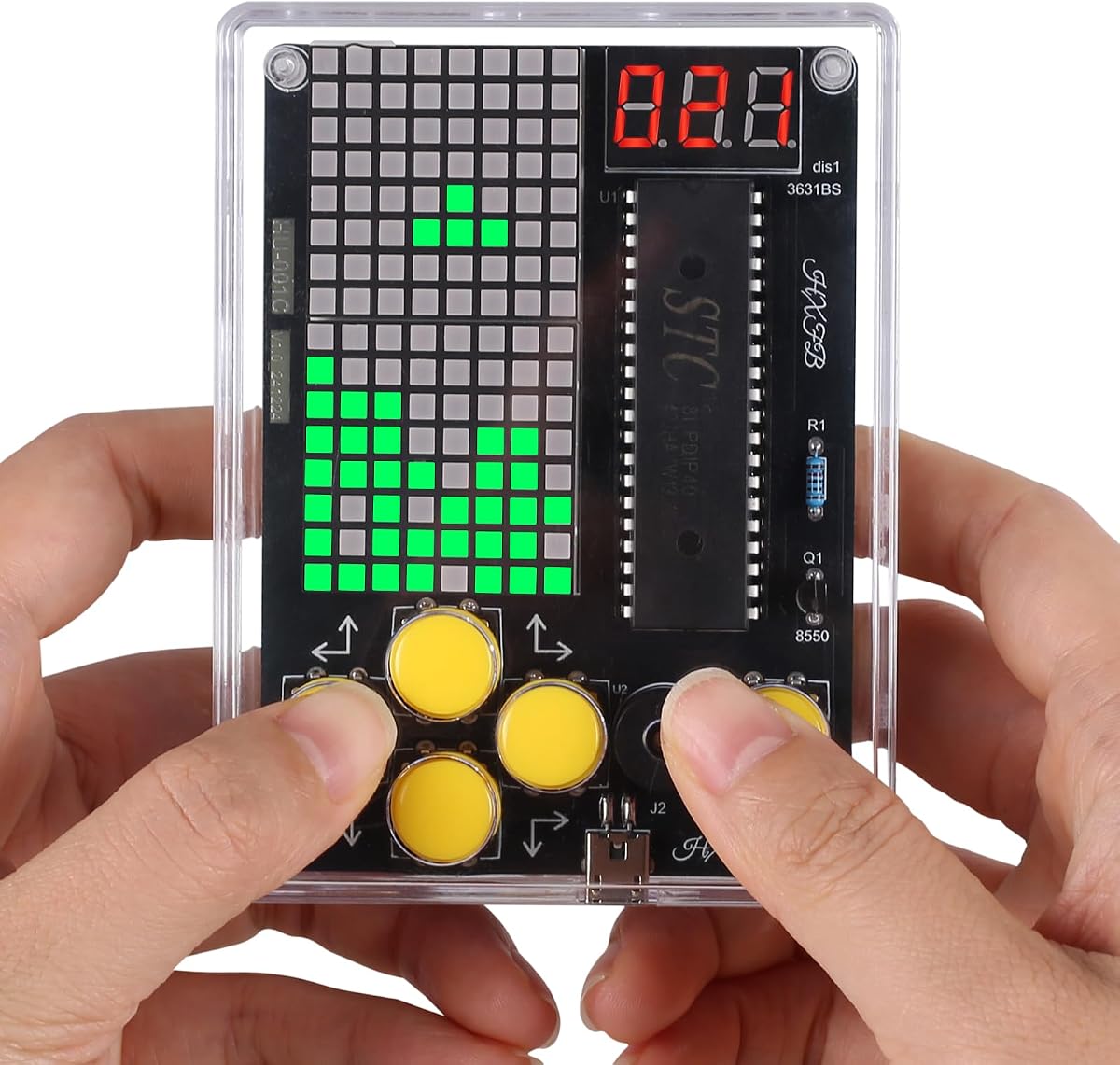
The PEMENOL 7-in-1 DIY Game Soldering Kit creates a functional game console through assembly. With a rating of 4.1 it offers an engaging way to learn soldering. The kit includes three difficulty levels to adapt to the user's experience.
We may earn a commission when you buy through this link, at no additional cost to you.
Its key feature is the interactive gameplay after build. You can play reflex or memory games directly on the LED display. The video guidance provides extra help if steps are missed. This keeps the process interesting throughout.
The plastic casing is basic compared to custom enclosures. It is strictly for gaming logic so learning is narrow in scope. However for teens who love games this provides strong motivation to finish.
Choose this for teens who need a fun reason to learn soldering. It is ideal for 15+ users ready for fine motor work. The combination of skill building and play is highly effective.
The finished build supports multiple game modes for continuous play. This ensures the device remains useful after construction.
Three distinct levels allow users to ramp up soldering challenges. This ensures the kit grows with their technical skill.
We may earn a commission when you buy through this link, at no additional cost to you.
Selecting the right kit depends on skill level, interest, and desired learning outcomes. Consider these factors to ensure the product matches your teen's needs.
For absolute beginners, kits without soldering like Snap Circuits or Arduino plug-and-play bundles are ideal. Teens with some experience can handle soldering kits or sensor arrays. Always match the complexity to their current comfort with tools.
Assess previous exposure to wiring or code before buying. Starting too hard causes frustration while starting too easy leads to boredom.
Some kits focus heavily on Arduino code while others prioritize hardware assembly. If your teen wants to program robots, choose a robot car kit. If they prefer physical circuits, select a breadboard-heavy set.
Consider whether you want to teach software logic or electrical principles specifically. This choice narrows your options effectively.
Look for kits with many sensor types like motion temperature or RFID. A higher component count allows more varied projects. Check if expansion packs are available for future learning.
More parts mean more ways to build and experiment. Avoid kits with fixed circuits that cannot be modified.
Clear manuals and video support are vital for independent learning. PDF guides with step-by-step photos prevent setup errors. Ensure the brand has an active community for troubleshooting.
Good documentation helps teens solve problems without constant adult help. Look for detailed troubleshooting sections in reviews.
Check if the kit includes batteries, power supplies, or USB cables. Kits with built-in power options save time and money. For mobile projects ensure rechargeable battery support is available.
Having proper power sources included prevents interruptions during learning. Verify connection methods like Wi-Fi or Bluetooth compatibility.
Ensure the kit suits the teen's age and fine motor skills. Soldering kits often recommend ages 15+. Younger teens might struggle with tiny pins but enjoy snap circuits.
Safety is paramount. Avoid kits with open high-voltage parts for younger users. Always supervise if tools like soldering irons are involved.
Prices vary from under $30 to over $60. Determine your budget and compare component counts. Often higher-priced kits offer better value through included accessories.
Factor in extra costs like tools or extra batteries. A slightly expensive kit that includes everything is often cheaper overall.
Decide what the teen wants to build at the end. Some kits create functional devices like speakers or robots while others are purely educational. A tangible result boosts motivation.
Think about whether they want to use the finished product. A working robot or speaker is more rewarding than a test circuit.
Always read the instruction manual before starting any project. Follow diagrams carefully to connect components in the correct order. This prevents short circuits and protects sensitive parts from damage.
Store components in organized containers when not in use. Keep wires and small modules separated to avoid confusion. Use labeled bins to sort sensors, resistors, and boards for future builds.
Clean tools and boards regularly to remove dust or residue. Soldering irons should be wiped with a sponge after use. Proper maintenance ensures your kit lasts for many projects and years of learning.
Not all kits require soldering. Some include pre-soldered boards and breadboards for plug-and-play assembly. Soldering kits are available but check the product details to confirm tool requirements before purchasing.
Most microcontroller kits work with the Arduino IDE software. You download the software to write and upload code to the board. Check the product description to ensure full IDE compatibility.
Most kits are designed for ages 10 and up. Some advanced soldering sets recommend ages 15+. Always review age guidelines to match the kit with your teen's motor skills and reading level.
Yes these kits are excellent for STEM science and engineering projects. They provide tangible results and documentation for school assignments. Many educators use these resources for classroom labs.
Some kits include power supplies while others require separate batteries. Check the product specifications to see what is included. It is good to have a variety of power sources ready.
Build times vary from a few hours to several days. Simple plug-and-play sets take less time than soldering or robot kits. Expect multiple sessions for larger complex projects.
We reviewed ten top electronics kits for teens ranging from beginner-friendly Snap Circuits to advanced Arduino robot builds. Each offers unique strengths for different skill levels and interests.
Prioritize your teen's current skills and long term learning goals. If they love coding choose a sensor-heavy Arduino kit. If they prefer building choose a snap or soldering set.
Please note that product availability and prices change frequently. Always verify current specs and costs before making your final purchase decision.