
ASUS Dual GeForce RTX 5060 Ti 16GB
4.7Editor score
16GB VRAM Capacity
Compact Dual Slot Design
Affordable Performance Value
This guide compares the top 10 GPUs for DaVinci Resolve in 2026, evaluating performance, memory, and features for professional video editing workflows.
Selecting the right graphics processing unit is critical for smooth editing, color grading, and effects rendering in DaVinci Resolve. A capable GPU ensures real-time playback and efficient acceleration of complex tasks.
We evaluated ten leading graphics cards based on architecture, memory capacity, cooling efficiency, and compatibility with professional creative software. Each option offers distinct advantages for different budget levels and project requirements.
Every review highlights key strengths and potential trade-offs to help you match hardware to your specific needs. Note that availability and pricing can vary over time, so verify current offers before purchasing.
4.7Editor score

4.6Editor score
4.9Editor score
The following table presents a side-by-side comparison of all ten graphics cards featured in this guide, highlighting their core specifications and primary capabilities for video production.



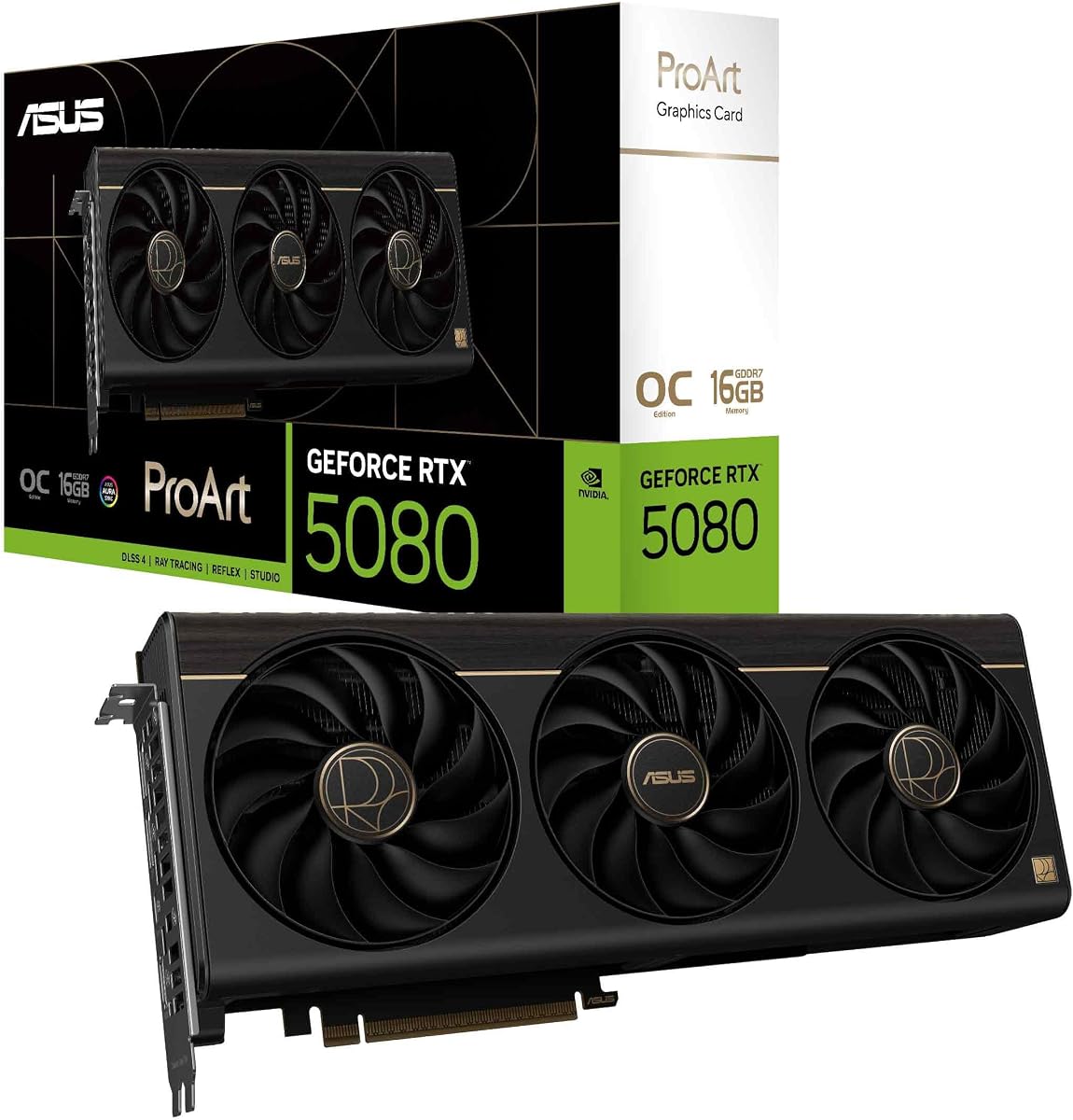
This graphics card stands out as a top contender for professional video workloads. It combines next-generation architecture with robust cooling to handle demanding tasks reliably.
We may earn a commission when you buy through this link, at no additional cost to you.
The integration of Blackwell architecture and high-speed memory ensures smooth playback and quick transitions between color grades and effects timelines.
While the price is elevated, the performance gains justify the investment for users working with 4K or higher resolution media regularly.
Enthusiasts and professionals seeking a balance of speed and reliability will find this option highly effective for their editing stations.
The high bandwidth memory allows for faster data transfers, reducing wait times during export and preview rendering phases.
WINDFORCE cooling keeps temperatures in check even under sustained loads, ensuring consistent clock speeds over long sessions.
We may earn a commission when you buy through this link, at no additional cost to you.
A solid choice for those needing reliable professional support without breaking the bank. Its design focuses on stability and compatibility with creative applications.
We may earn a commission when you buy through this link, at no additional cost to you.
Real-time ray tracing capabilities enable faster visual feedback during scene setup and complex effect previews within supported software.
Although it uses older technology, it remains effective for specific tasks that prioritize certified stability over raw speed.
Users working in mixed environments or needing VR support may appreciate its specialized features and consistent performance profile.
The card is built to maintain consistent performance levels under professional loads, reducing the risk of crashes during critical tasks.
Advanced shading features support immersive VR workflows and 3D visualization projects that require precise rendering accuracy.
We may earn a commission when you buy through this link, at no additional cost to you.
This card offers exceptional raw compute power suitable for intensive tasks. It brings high core counts to the table for faster processing.
We may earn a commission when you buy through this link, at no additional cost to you.
The presence of dedicated Tensor cores helps accelerate AI-based features and machine learning workflows within supported editing suites.
Power requirements are significant, so users must ensure their system can handle the load without thermal throttling issues.
Creators working on complex simulations or high-resolution tasks will find the sheer processing capability beneficial for productivity.
Tensor cores enable faster AI processing, which can speed up tasks like noise reduction or automatic scene detection.
High boost clocks and core counts allow for quicker final renders and faster preview times in complex compositions.
We may earn a commission when you buy through this link, at no additional cost to you.
With 32GB of memory, this card excels in handling massive scenes and high-resolution textures. It is engineered for professional content creation environments.
We may earn a commission when you buy through this link, at no additional cost to you.
Advanced AI accelerators provide dedicated hardware support for tasks that rely on machine learning algorithms to improve speed.
The blower cooler ensures heat is exhausted directly, which is useful for multi-card setups found in workstations.
Users needing extra VRAM for 8K editing or complex 3D rendering will appreciate the generous memory allocation and professional build.
32GB VRAM allows users to load large assets without slowdowns, improving responsiveness during detailed editing tasks.
DisplayPort 2.1a supports high refresh rates on multiple monitors, beneficial for multi-screen editing setups.
We may earn a commission when you buy through this link, at no additional cost to you.
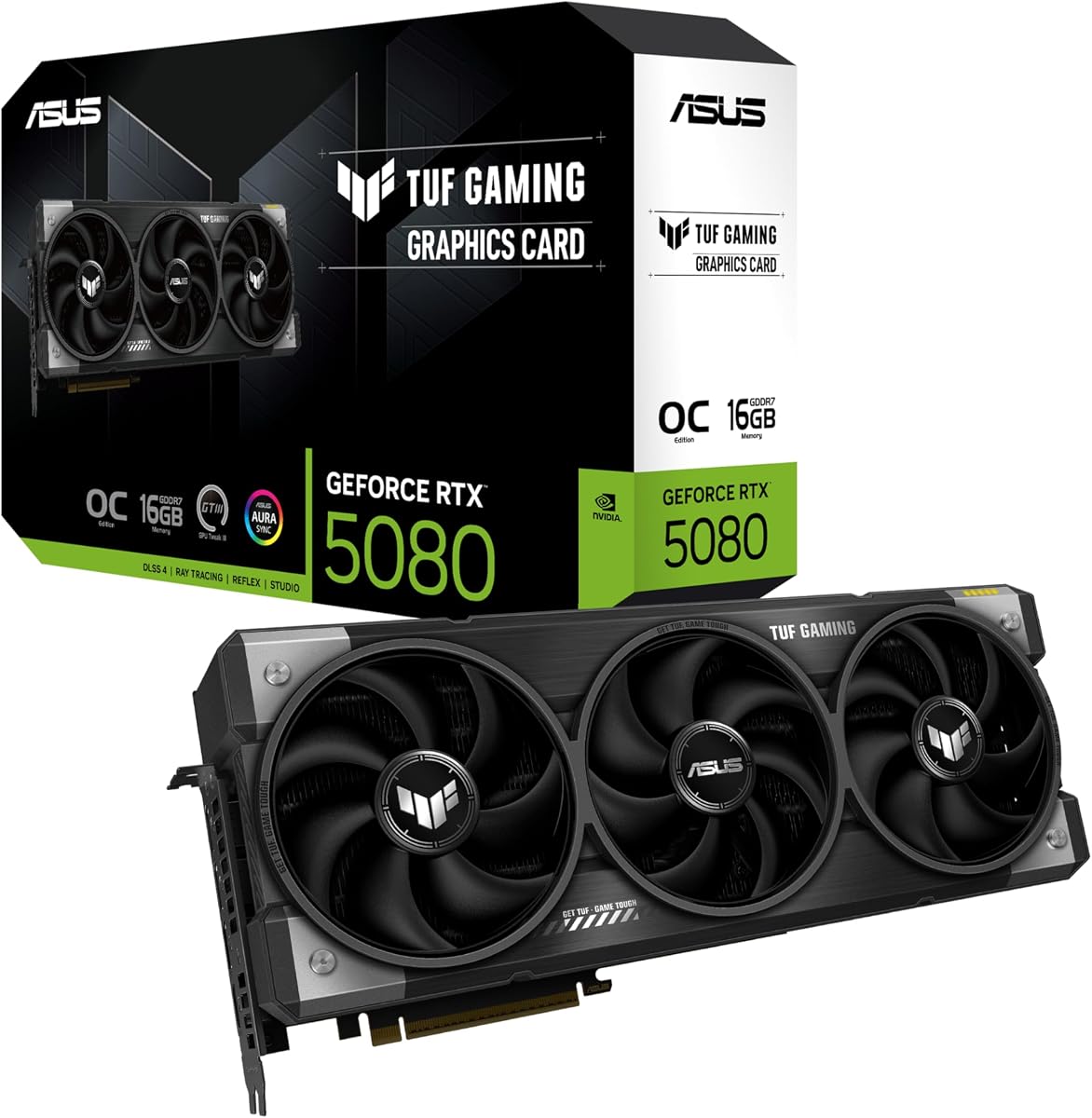
This card delivers high performance at a competitive price point. It features modern cooling and interface technology for smooth operation.
We may earn a commission when you buy through this link, at no additional cost to you.
Server-grade thermal conductive gel helps maintain lower temperatures under load, contributing to consistent performance over time.
Gaming-oriented aesthetics may not suit all professional studios, but the internal specifications are robust for video work.
Creators seeking a balance of budget and capability will find this a strong contender for 1080p to 4K editing tasks.
Advanced thermal materials ensure heat is transferred away efficiently, preventing performance dips during long exports.
PCIe 5.0 readiness ensures compatibility with next-gen platforms for faster data transfer speeds.
We may earn a commission when you buy through this link, at no additional cost to you.
An extreme solution for enterprise-level computing needs. It offers unmatched memory capacity for handling large datasets without limits.
We may earn a commission when you buy through this link, at no additional cost to you.
Enterprise-grade memory ensures data integrity, which is crucial for professional work where accuracy and stability are non-negotiable.
The high price point reflects its specialized nature, making it less accessible to smaller studios or individual creators.
Large production houses requiring massive compute power will find this card delivers unparalleled performance for complex rendering.
ECC memory protects against data errors during long computations, ensuring final outputs remain accurate.
PCIe Gen 5 support allows for rapid data movement between system memory and the GPU for faster processing.
We may earn a commission when you buy through this link, at no additional cost to you.
This card focuses on durability and sustained performance through reinforced materials and advanced thermal solutions. It is built to last.
We may earn a commission when you buy through this link, at no additional cost to you.
Military-grade components help ensure the card can withstand rigorous use, which is valuable for daily professional production cycles.
The physical dimensions require significant case clearance, so checking dimensions is essential before installation in smaller systems.
Users prioritizing longevity and consistent power under heavy loads will appreciate the solid construction and cooling design.
Reinforced PCBs and components reduce the risk of failure over time, supporting long-term workstation reliability.
Phase-change pads provide better heat transfer than traditional paste, keeping the GPU cooler under sustained workloads.
We may earn a commission when you buy through this link, at no additional cost to you.
This option offers significant features like large memory and versatile ports at a competitive price. It is aimed at workstation users.
We may earn a commission when you buy through this link, at no additional cost to you.
Dual media transcoders support efficient encoding of multiple video formats, which is useful for multi-format export workflows.
Driver maturity may still be catching up compared to established competitors, but features are promising for future-proofing.
Budget-conscious professionals needing high memory and many display outputs may find this a viable alternative to standard options.
Four DisplayPort outputs allow for expansive setups, helping editors view multiple streams or timelines simultaneously.
Hardware support for modern codecs ensures faster file processing and export times for common video formats.
We may earn a commission when you buy through this link, at no additional cost to you.
Designed with creators in mind, this card combines high performance with unique connectivity options. It targets professional workflows.
We may earn a commission when you buy through this link, at no additional cost to you.
The USB Type-C port offers enhanced versatility for connecting to external devices without needing additional adapters or docks.
Premium materials and finishes provide a look that suits professional workspaces while maintaining high internal performance standards.
Editors who value aesthetics alongside utility will find this card a compelling choice for high-end workstation builds.
USB Type-C support simplifies connections to peripherals, streamlining the setup process for multi-device workflows.
MaxContact design increases surface area for heat dissipation, ensuring stable operation during prolonged rendering sessions.
We may earn a commission when you buy through this link, at no additional cost to you.
This card brings next-gen memory and features to an affordable package. It balances cost with performance for entry-level users.
We may earn a commission when you buy through this link, at no additional cost to you.
A compact form factor makes it ideal for smaller cases or systems where space is limited without sacrificing cooling efficiency.
Dual BIOS options allow users to switch between performance and quiet profiles depending on their current needs.
Those looking for a budget-friendly upgrade that still handles modern software well will find this a strong recommendation.
The smaller footprint allows installation in more cases, making it suitable for space-constrained professional setups.
Dual BIOS lets you prioritize silence during light work or speed during heavy rendering as needed.
We may earn a commission when you buy through this link, at no additional cost to you.
Selecting the right GPU requires understanding your specific workflow needs and system constraints. Consider these critical factors.
The amount of video memory directly impacts how many effects and layers you can use simultaneously. For 4K editing, aim for at least 16GB to avoid bottlenecks.
More memory ensures smoother playback and faster exports for high-resolution projects.
Modern architectures include dedicated cores for AI and ray tracing, which speed up specific processing tasks. Look for cards with Tensor cores or similar tech.
These features reduce the time needed for complex calculations in your timeline.
Thermal efficiency is critical because prolonged rendering generates significant heat. Designs with larger fans or advanced materials maintain stability.
Effective cooling ensures the card maintains clock speeds without throttling during work.
Measure your case to ensure the GPU fits properly. Larger cards may interfere with other components or restrict airflow.
Proper clearance is necessary for safe installation and optimal cooling performance.
High-performance cards demand substantial electrical power. Check that your power supply unit has enough wattage and connectors.
Insufficient power can lead to system instability or hardware damage over time.
Multiple display outputs help when using dual monitors for editing. Modern ports support higher resolutions and refresh rates.
Ensure the card matches your monitor inputs for a seamless setup.
Regular driver updates ensure compatibility with the latest software versions. Professional drivers often offer extra stability for creative apps.
Reliable driver support minimizes crashes and unexpected errors.
Balance the cost of the card against your expected return on investment. Higher-end models pay off faster in professional production.
Choose a tier that matches your current work volume and future growth.
Install the latest drivers from the manufacturer to ensure full compatibility with DaVinci Resolve and system updates.
Monitor temperatures regularly using system tools to detect any early signs of overheating or dust buildup.
Clean filters and fans periodically with compressed air to maintain optimal airflow and prevent heat accumulation.
Yes, a dedicated GPU is essential for smooth editing and rendering. Integrated graphics typically lack the power needed for real-time effects and color grading workflows.
More VRAM allows you to handle higher resolutions and more complex timelines without lag. It is particularly beneficial for 4K and 8K projects.
Check the power requirements on the card and compare them to your PSU wattage. Ensure you have the necessary connectors for a safe setup.
Each has strengths depending on software optimization. NVIDIA often leads in AI features, while RDNA offers competitive performance and memory bandwidth.
Many gaming cards work well for editing, but professional drivers may offer more stability for specific apps. Choose based on your specific workflow needs.
Update drivers when you encounter issues or when a major software version is released. Regular updates help maintain performance and compatibility.
The ten GPUs reviewed offer strong options across different budgets and needs. The GIGABYTE RTX 5080 Gaming OC stands out as the top choice.
Prioritize memory capacity and cooling if you plan on working with high-resolution media. These factors ensure stability during long production sessions.
Always verify current pricing and availability before purchasing. This guide helps you narrow choices based on your specific requirements.