
SONOFF Zigbee Human Presence Sensor
4.0Editor score
5.8GHz cmWave Radar
Zigbee 3.0 Compatible
Light Sensing Capability
This guide compares the top Home Assistant human presence sensors using mmWave and Zigbee technology to help you choose the best automation device for your
Finding the right sensor for your Home Assistant setup is crucial for reliable automation. Traditional motion sensors often miss stationary people, leading to lights turning off unexpectedly during reading or resting.
We evaluated ten leading presence sensors based on radar accuracy, connectivity options, and integration ease. Each product was assessed for its ability to detect subtle movements and maintain stable connections within local networks.
This review covers detailed features, pros, cons, and real-world performance insights. Note that pricing fluctuates frequently, so verify current costs before purchasing to ensure you get the best value for your investment.
4.0Editor score

4.4Editor score

3.6Editor score
The following table provides a side-by-side comparison of all ten selected presence sensors. It highlights key specifications such as radar frequency, power requirements, and ecosystem compatibility to help you make an informed decision.




The Akamatis Litos v3 stands out as the top choice for Home Assistant users seeking reliability and integration ease. With a solid 4.4 rating from verified buyers, it delivers consistent performance for automations.
We may earn a commission when you buy through this link, at no additional cost to you.
Its 24GHz mmWave radar detects even stationary individuals effectively, while the integrated light sensor adds crucial context for lighting rules. The device comes pre-flashed with ESPHome, simplifying the installation process significantly.
While it is strictly designed for Home Assistant, this limitation ensures optimized performance within that ecosystem. The 3D-printed front panel allows natural light transmission, enhancing the accuracy of ambient readings.
We recommend this sensor for users deeply invested in Home Assistant who want a turnkey solution. It balances cost and features well, making it an excellent starting point for presence detection automation.
Ambient light data allows automations to turn lights on only when the room is dark, saving energy and preventing unnecessary activation during daylight hours.
Pre-flashed firmware eliminates the need for technical flashing skills, allowing users to connect to the hotspot and configure Wi-Fi credentials instantly.
We may earn a commission when you buy through this link, at no additional cost to you.
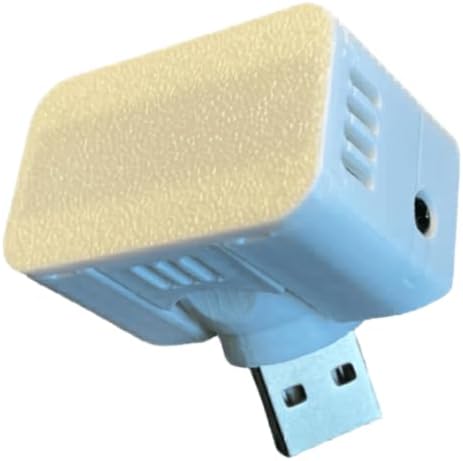
The AKAMATIS v2.2 offers a compelling budget option for those committed to Home Assistant. It maintains the high 4.4 rating while costing less than its predecessor, making it accessible to more users.
We may earn a commission when you buy through this link, at no additional cost to you.
It utilizes the HLK-LD2410B radar module for robust detection up to twenty feet. The external antenna on the Seeed C3 controller significantly improves Wi-Fi stability compared to internal antenna designs.
Certified components ensure reliability and compliance. However, its reliance on a USB power source means placement is restricted to areas near outlets, which may limit ceiling mounting options.
For budget-conscious Home Assistant enthusiasts, this sensor is an ideal choice. It delivers essential presence detection features without unnecessary extras, focusing purely on core functionality and value.
An external antenna provides better signal penetration through walls, ensuring the sensor remains connected even when placed in distant or obstructed rooms.
The compact design allows for discreet installation without visual clutter, while the plug-and-play setup ensures rapid deployment for immediate automation use.
We may earn a commission when you buy through this link, at no additional cost to you.
This Zigbee presence sensor bridges the gap for users needing broader ecosystem compatibility beyond Home Assistant. Its 4.0 rating reflects solid performance across multiple smart home platforms.
We may earn a commission when you buy through this link, at no additional cost to you.
Powered by two AAA batteries, it can last up to two years, offering significant convenience over wired alternatives. The millimeter-wave radar ensures it detects stationary individuals effectively.
While it requires a Zigbee hub, this requirement enables local control and reduces Wi-Fi congestion. It works seamlessly with Echo devices, SmartThings, and Hubitat.
Ideal for mixed smart home environments, this sensor provides flexibility. If you prioritize ease of placement and battery life, this model is a strong contender for your automation needs.
Two-year battery life means less frequent maintenance and the freedom to place sensors anywhere without worrying about power outlets.
Working with multiple hubs ensures that if you switch ecosystems, the sensor remains useful without needing a replacement purchase.
We may earn a commission when you buy through this link, at no additional cost to you.
The Aqara FP300 is a premium device that combines five sensors into one unit. While rated lower at 3.6, it offers features unmatched by other options in terms of environmental monitoring.
We may earn a commission when you buy through this link, at no additional cost to you.
Its AI-powered presence detection reduces false triggers by learning your habits. It also monitors temperature, humidity, and light, providing rich data for advanced automation scenarios.
Support for Matter over Thread ensures future-proofing, though a Thread Border Router is required. The flexible mounting allows for versatile installation strategies in various rooms.
We recommend this sensor for advanced users who want comprehensive data. It is expensive but delivers unique capabilities that justify the cost for those seeking maximum control.
Continuous learning adjusts sensitivity automatically, minimizing false alarms from pets or moving shadows while maintaining accurate human detection.
Integrated temperature and humidity sensors enable climate control automations, such as triggering ventilation when occupancy and humidity rise.
We may earn a commission when you buy through this link, at no additional cost to you.
SONOFF's SNZB-06P24 features a unique seven-zone detection area that allows precise control over where presence is registered. This prevents triggers from adjacent areas like hallways.
We may earn a commission when you buy through this link, at no additional cost to you.
Its self-learning calibration filters out repetitive interference from appliances, improving stability over time. The integrated light sensor enables context-aware lighting scenarios based on brightness.
While it requires USB-C power, limiting placement options, the flexibility in zone settings makes it ideal for complex spaces. It supports major ecosystems like Alexa and Home Assistant.
For users needing granular control over detection zones, this is the best option. It balances affordability with advanced features that cater to specific automation requirements.
Define specific zones to ignore irrelevant areas, ensuring triggers only occur when someone enters specific spaces like a workspace or sofa area.
The sensor adapts to environmental noise, reducing the need for manual adjustments and maintaining consistent performance in busy home settings.
We may earn a commission when you buy through this link, at no additional cost to you.
The SONOFF SNZB-06P is a cost-effective entry point for presence detection. It delivers a 4.0 rating and reliable performance for basic automation needs.
We may earn a commission when you buy through this link, at no additional cost to you.
Using a 5.8GHz cmWave radar, it effectively detects motion and stationary presence. The Zigbee 3.0 compatibility ensures smooth integration with most bridges and hubs.
Its light sensing capability ensures that lights only activate in the dark, saving energy. Local scene linkage allows for offline operation without internet dependency.
We recommend this for simple setups where advanced features are unnecessary. It offers great value for users who need straightforward, reliable presence detection.
Local execution ensures scenes run even if the internet goes down, providing consistent control over lights and devices at all times.
Light sensing prevents lights from turning on during the day, optimizing energy usage automatically based on natural light conditions.
We may earn a commission when you buy through this link, at no additional cost to you.
This compact Zigbee presence sensor combines motion detection with temperature and humidity monitoring. At 40x40x20mm, it is small enough to fit anywhere discreetly.
We may earn a commission when you buy through this link, at no additional cost to you.
The 24GHz mmWave technology ensures reliable detection even when stationary. An integrated magnetic base simplifies installation on metal surfaces without adhesive tape.
Powered by a CR2450 battery, it offers months of operation. The inclusion of temperature data adds value for climate automation scenarios alongside presence triggers.
Ideal for small spaces or where aesthetics matter, this sensor is versatile. It suits users seeking compactness and environmental data without sacrificing core presence detection.
Its tiny dimensions allow installation in narrow spaces where larger sensors would be intrusive, preserving the room's visual aesthetic.
A magnetic base allows for quick, non-invasive installation on metal surfaces, making it easy to move if your needs change.
We may earn a commission when you buy through this link, at no additional cost to you.
With a nearly perfect 4.9 rating, the Akamatis v1.3 impresses users with its reliability. It serves as a solid foundation for Home Assistant presence automation.
We may earn a commission when you buy through this link, at no additional cost to you.
Built on the ESP32-C3, it offers stable 2.4 GHz Wi-Fi connectivity. The pre-flashed ESPHome firmware makes setup as simple as connecting to a hotspot.
Though it uses a USB-A connector which restricts placement near sockets, the performance is consistent. The adjustable sensitivity helps tailor detection to specific room sizes.
We recommend this for users seeking proven stability. Its high satisfaction rate indicates it handles the job well without requiring advanced technical knowledge.
The ESP32-C3 microcontroller ensures robust performance and compatibility, reducing connectivity issues that plague cheaper microcontrollers.
Tailoring sensitivity settings allows you to ignore pets or background movement, ensuring lights trigger only when humans are present.
We may earn a commission when you buy through this link, at no additional cost to you.
The WenzhiIoT sensor offers granular control over detection intervals and settings, appealing to power users. It supports both Tuya and Home Assistant via Zigbee2mqtt.
We may earn a commission when you buy through this link, at no additional cost to you.
Its adjustable delay times reduce annoying false alarms by filtering out irrelevant movements. The ability to set data reporting intervals helps manage network noise effectively.
While it often relies on Tuya hubs which may introduce cloud elements, it remains a flexible choice for those already invested in that ecosystem.
We recommend this for Tuya users seeking advanced settings. It balances price with customization options that are rare in budget-friendly devices.
Setting specific unmanned delay times prevents lights from turning off immediately after brief movements, ensuring comfort during active tasks.
Adjustable data reporting intervals reduce unnecessary signals sent to the hub, optimizing network performance and battery life.
We may earn a commission when you buy through this link, at no additional cost to you.
The meross MS600 leverages Matter over Wi-Fi for broad ecosystem compatibility. This removes the need for a hub in most scenarios, simplifying setup.
We may earn a commission when you buy through this link, at no additional cost to you.
Its dual radar and PIR technology ensures accurate detection while reducing false positives. The adjustable base provides a wide viewing angle to cover large areas.
Being corded requires constant power but ensures uninterrupted operation. A pet-proof shield is included to prevent pets from triggering unnecessary automation.
Ideal for those prioritizing Matter compatibility, this sensor delivers modern connectivity. It suits users who want a future-proof solution for their smart home network.
Combining PIR and radar ensures that both moving and stationary presence are detected reliably, minimizing errors from either technology alone.
The included shield blocks low-level triggers, ensuring that pets on the floor do not activate lights or devices unnecessarily.
We may earn a commission when you buy through this link, at no additional cost to you.
Selecting the right presence sensor involves balancing connectivity, power source, and feature set. This guide outlines the critical factors to consider for optimal performance.
Decide between Wi-Fi and Zigbee based on your network needs. Zigbee reduces Wi-Fi congestion and offers local control, while Wi-Fi simplifies setup without needing a separate hub.
Zigbee is generally preferred for large home networks to prevent router overload, whereas Wi-Fi suits simple setups.
Look for mmWave radar which detects subtle movements like breathing. This ensures the lights stay on when you are stationary, unlike traditional PIR sensors.
24GHz mmWave offers a balance of range and sensitivity suitable for most residential environments.
Choose between battery-powered and USB-powered options. Battery sensors offer placement freedom but require maintenance, whereas wired sensors offer uninterrupted operation.
For high-traffic areas, wired options prevent battery drain issues and ensure consistent presence detection.
Integrated light sensors allow automations that consider ambient brightness. This prevents lights from turning on during the day when they are not needed.
This feature is crucial for energy efficiency and ensuring your automations feel natural throughout the day.
Ensure the sensor supports your preferred home assistant platform. Some devices work exclusively with Home Assistant, while others support broader ecosystems like Alexa.
Check for compatibility with Home Assistant specifically to avoid integration hassles and ensure native entity support.
Consider mounting options and size. Compact devices with magnetic bases or adjustable mounts allow for versatile placement in various room layouts.
A smaller form factor is often preferred for discreet installations that do not disrupt the room's decor.
Sensitivity adjustments and zone settings allow you to tailor detection to your specific space. This helps in ignoring false triggers from pets or moving shadows.
Advanced customization ensures the sensor only triggers when necessary, improving user experience and automation accuracy.
Matter support ensures your device remains compatible with future smart home updates. Even if you use Home Assistant now, Matter helps with long-term interoperability.
Look for devices that support both Matter and local protocols to maximize longevity and flexibility.
Install the sensor at eye level or higher for optimal coverage. Avoid placing it directly behind glass or thick curtains that may block the signal.
Calibrate the sensor by allowing it to run in the room for a few hours before setting automations. This lets the sensor learn the environment and filter out background noise.
Periodically check the connection and battery levels if using wireless units. Keeping the firmware updated ensures you have the latest stability improvements.
Yes, mmWave radar technology detects micro-movements like breathing, ensuring the sensor recognizes presence even when the person is stationary or sleeping.
It depends on the protocol. Zigbee sensors require a Zigbee dongle or hub, while Wi-Fi sensors connect directly to your network without additional hardware.
Traditional motion sensors (PIR) detect heat changes from movement, so lights turn off if you are still. Presence sensors detect even subtle movements, keeping lights on longer.
Most of these indoor sensors are not weatherproof. For outdoor use, you would need a specific outdoor-rated model designed for temperature and water resistance.
In Home Assistant, create automations that trigger when the presence sensor changes state to 'occupied'. Combine this with light entities to control lighting based on detection.
Many models offer pet-proofing or adjustable sensitivity to ignore smaller movements. Some include physical shields to block lower detection angles where pets move.
We have highlighted the Akamatis Litos v3 as the best overall choice for its reliability and integrated light sensor. For those on a budget, the SONOFF SNZB-06P offers solid value.
Prioritize sensors that align with your current network setup. Zigbee is excellent for reducing congestion, while Wi-Fi models are easier to set up if you lack a hub.
Always verify current pricing and shipping details before purchasing to ensure you are getting the best deal available for your specific requirements.