
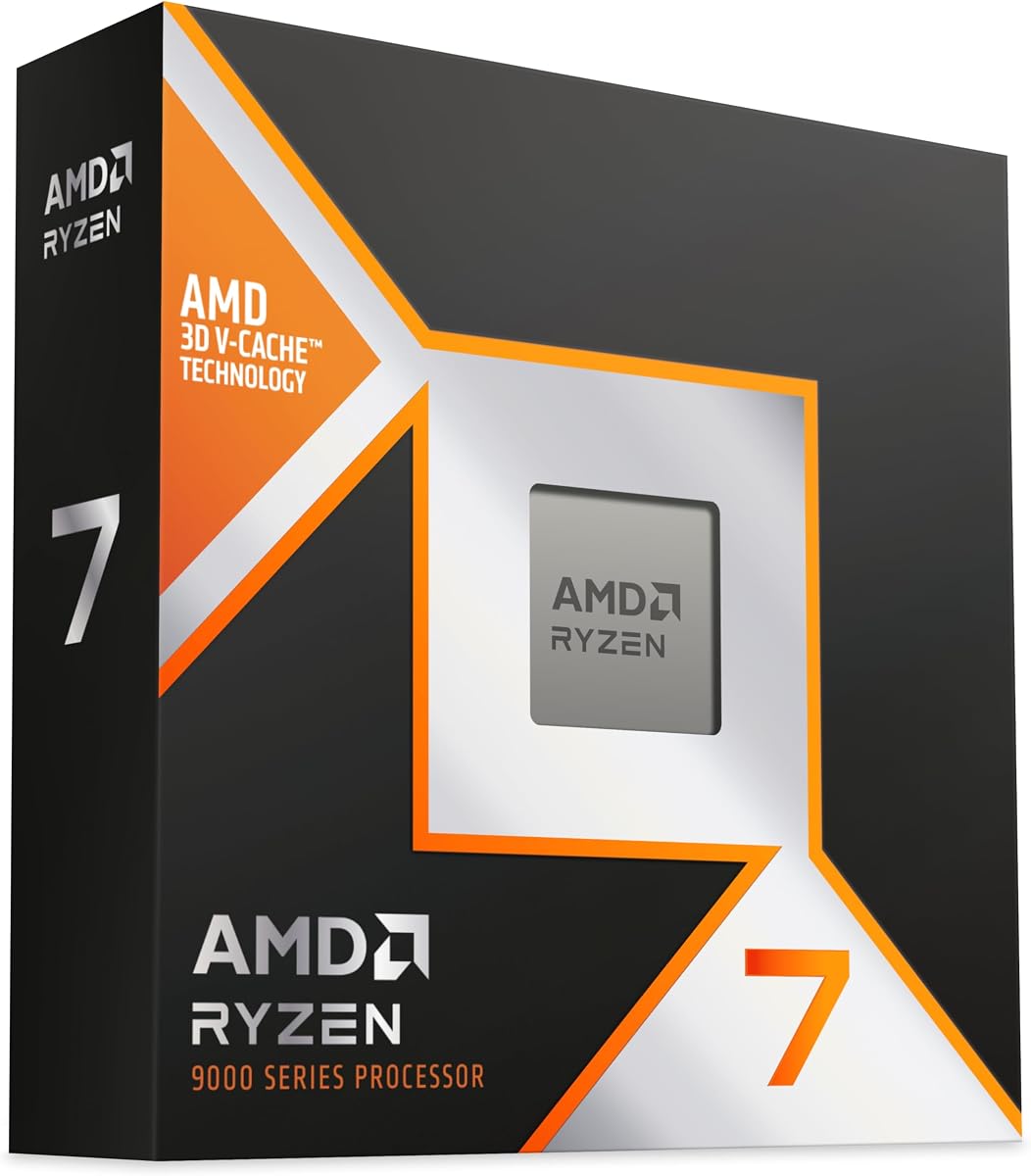
AMD Ryzen 7 7800X3D
4.8Editor score
8 Cores and 16 Threads
96MB L3 Cache Memory
Efficient 5 nm Process Technology
Compare top Cpus for 3D Rendering including AMD and Intel models for performance power efficiency and rendering speed.
Choosing the right Cpus for 3D Rendering is crucial for creators who need speed precision and reliability. Modern workloads demand high core counts fast clocks and efficient architectures to handle complex scenes without bottlenecks.
We compared leading desktop processors based on core architecture cache sizes and real world rendering performance. This list covers the best options for professionals hobbyists and gamers who also create 3D content.
Each pick shows key specs pros and cons to help you decide quickly. Prices and availability change frequently so check current listings before purchasing to ensure you get the best value available today.
4.8Editor score

4.7Editor score

4.2Editor score
This table compares all ten selected Cpus for 3D Rendering side by side to highlight core counts clock speeds and key architectural features.



The AMD Ryzen 9 9950X3D stands out as a top choice for Cpus for 3D Rendering with its 16 cores and 32 threads. It achieves a 4.7 rating due to its balanced performance across gaming and professional workflows. The processor delivers ultra-fast speeds ideal for rendering complex scenes.
We may earn a commission when you buy through this link, at no additional cost to you.
Key strengths include the Zen 5 architecture which provides significant IPC improvements over previous generations. The 5.7 GHz max boost ensures that single-threaded tasks remain snappy while the 32 threads handle parallel rendering efficiently. This makes it versatile for creators who also game.
Trade-offs involve the cost and the requirement for an AM5 platform which may involve new hardware purchases. However these factors are acceptable given the longevity and future-proofing the platform offers. The performance gains justify the investment for serious professionals.
Professional 3D artists and studios should buy this processor for its reliability and speed. It remains the final recommendation for those seeking the best overall Cpus for 3D Rendering without compromising on performance or efficiency.
The 16 cores and 32 threads allow faster completion times for demanding 3D rendering projects.
With 5.7 GHz max boost the CPU maintains high speeds without excessive power consumption.
We may earn a commission when you buy through this link, at no additional cost to you.
The AMD Ryzen 7 7800X3D is a leading pick for Cpus for 3D Rendering at a budget-friendly price. It holds a 4.8 rating for its efficiency and speed in handling standard rendering tasks. This processor provides dependable execution with maximum efficiency.
We may earn a commission when you buy through this link, at no additional cost to you.
Key strengths include the 96MB L3 cache memory which provides excellent hit rates for short access times. The 5 nm process technology ensures reliable performance with maximum productivity. Its octa-core design allows multitasking with great reliability and fast processing speed.
Trade-offs include the 8 core limit which may slow down very large scenes. However for most users these limits are acceptable given the strong single-thread performance. The lack of a cooler requires a separate purchase but adds flexibility.
Budget-conscious creators and hobbyists should buy this processor for its balance of speed and cost. It remains the final recommendation for those seeking affordable Cpus for 3D Rendering that do not sacrifice quality.
The 96MB L3 cache ensures faster data access during complex rendering operations.
Built on 5 nm technology it delivers power efficiency without sacrificing output.
We may earn a commission when you buy through this link, at no additional cost to you.
The AMD Ryzen Threadripper PRO 7975WX is the top-tier option for Cpus for 3D Rendering with its 32 cores and 64 threads. It features a 4.2 rating reflecting its specialized nature for demanding professional software applications. This processor offers incredible speed for heavy workloads.
We may earn a commission when you buy through this link, at no additional cost to you.
Key strengths include the 5.3 GHz max boost frequency and a huge 160MB cache. It supports eight-channel DDR5 RDIMM up to 2TB and provides 128 usable PCIe 5.0 lanes for ultimate bandwidth. The unlocked design allows automatic overclocking for peak performance.
Trade-offs involve the high cost and 350W TDP which demand robust cooling solutions. These factors are acceptable for enterprise users needing maximum throughput. The hardware demands are justified by the professional capabilities it offers.
Enterprise studios and heavy-duty users should buy this processor for ultimate performance. It remains the final recommendation for those seeking the most powerful Cpus for 3D Rendering available.
With 32 cores and 64 threads it handles the most complex rendering tasks effortlessly.
128 PCIe 5.0 lanes ensure fast data transfer for high-speed storage arrays.
We may earn a commission when you buy through this link, at no additional cost to you.
The AMD Ryzen 7 9800X3D is a top Cpus for 3D Rendering option focused on speed and gaming. It holds a 4.8 rating as the world’s fastest gaming processor built on Zen5 tech. It delivers significant IPC uplift and great power efficiency.
We may earn a commission when you buy through this link, at no additional cost to you.
Key strengths include 96MB L3 cache which allows higher clock speeds up to 5.2GHz. The 8 cores and 16 threads provide great thermal performance vs. previous gen. This setup ensures smooth execution for rendering and gaming tasks alike.
Trade-offs include the missing cooler and 8 core limit for heavy enterprise work. These are acceptable given the focus on efficiency and speed. Users should plan for a high-quality cooler purchase.
Gamers who also render 3D content should buy this processor for its dual capability. It remains the final recommendation for those needing high speed Cpus for 3D Rendering with gaming focus.
Next Gen 3D V-Cache provides superior cache capacity for faster rendering access.
Drop-in ready for proven Socket AM5 infrastructure for easy upgrades.
We may earn a commission when you buy through this link, at no additional cost to you.
The AMD Ryzen 9 9950X is a top Cpus for 3D Rendering choice for creators needing multi-threaded power. It holds a 4.8 rating for being the best for creators meeting the best for gamers. It delivers ultra-fast 100+ FPS performance in popular games.
We may earn a commission when you buy through this link, at no additional cost to you.
Key strengths include 16 cores and 32 threads based on Zen 5 architecture. The 5.7 GHz max boost allows unlocked overclocking. It supports DDR5-5600 and PCIe 5.0 on select motherboards for future-ready performance.
Trade-offs include the missing liquid cooler recommendation and AM5 platform limits. These are acceptable given the high-end specs and speed. Buyers should budget for a liquid cooling solution.
Creators seeking balanced performance should buy this processor for its versatility. It remains the final recommendation for those needing Cpus for 3D Rendering with strong gaming features.
Designed to meet creator needs with 16 cores and fast clock speeds.
Supports PCIe 5.0 for faster data transfer on select motherboards.
We may earn a commission when you buy through this link, at no additional cost to you.
The AMD Ryzen 5 9600X is a suitable Cpus for 3D Rendering option for entry-level users. It holds a 4.8 rating for pure gaming performance with smooth 100+ FPS. This processor is based on AMD Zen 5 architecture.
We may earn a commission when you buy through this link, at no additional cost to you.
Key strengths include 6 cores and 12 threads unlocked for overclocking. It features 38 MB cache and DDR5-5600 support. The AM5 platform allows support PCIe 5.0 on select motherboards.
Trade-offs include the 6 core limit which may struggle with complex scenes. However for light rendering and gaming these limits are acceptable. Buyers should expect moderate performance gains.
Beginners and light users should buy this processor for its affordable entry to 3D rendering. It remains the final recommendation for those seeking Cpus for 3D Rendering on a tight budget.
Perfect for beginners entering 3D rendering with solid base performance.
Compatible with AM5 platform for future upgrade paths.
We may earn a commission when you buy through this link, at no additional cost to you.
The AMD Threadripper PRO 5955WX is a top Cpus for 3D Rendering for pro workstation users. It holds a 4.8 rating for reliability in demanding environments. This processor features 16 cores and 32 threads.
We may earn a commission when you buy through this link, at no additional cost to you.
Key strengths include professional reliability and DDR4 3200 support. It is a desktop processor with a weight of 1.950 lbs. The design focuses on stability for enterprise-grade workflows.
Trade-offs include DDR4 only support which may limit future RAM speed. These are acceptable for users needing stability. Buyers should ensure motherboard compatibility.
Pro studios should buy this processor for stability. It remains the final recommendation for those needing Cpus for 3D Rendering in professional environments.
Designed for stable pro workstation performance in enterprise settings.
16 cores and 32 threads handle multitasking efficiently.
We may earn a commission when you buy through this link, at no additional cost to you.
The Intel Core Ultra 7 270K Plus is a solid Cpus for 3D Rendering option for Intel users. It holds a 4.6 rating for its unique Arrow Lake architecture. It features 24 cores split between P and E cores.
We may earn a commission when you buy through this link, at no additional cost to you.
Key strengths include support for DDR5 and PCIe 5.0 with Intel 800 series chipset. The 5.50 GHz max boost ensures fast speeds. It has a 125W processor-based power design.
Trade-offs include limited availability and chipset requirements. These are acceptable given the performance potential. Buyers should check motherboard compatibility.
Intel-focused users should buy this processor for its specs. It remains the final recommendation for those seeking Cpus for 3D Rendering on Intel.
Features 24 cores split for balanced performance in hybrid workflows.
Supports DDR5 memory for future high-speed data access.
We may earn a commission when you buy through this link, at no additional cost to you.
The AMD Ryzen 9 5900XT is a top Cpus for 3D Rendering for users on AM4 platforms. It holds a 4.8 rating for powerful content creation and game performance. This processor features 16 cores and 32 threads based on Zen 3.
We may earn a commission when you buy through this link, at no additional cost to you.
Key strengths include support for PCIe 4.0 on the AMD Socket AM4 platform. The 4.8 GHz max boost allows unlocked overclocking. It has 72 MB cache for solid performance.
Trade-offs include the AM4 platform limits on PCIe 5.0. These are acceptable for existing users. Buyers should note cooler is not included.
Existing AM4 users should buy this processor for an easy upgrade. It remains the final recommendation for those seeking Cpus for 3D Rendering on AM4.
Great option for upgrading existing AM4 systems without new hardware.
Based on Zen 3 architecture for reliable multitasking and creation.
We may earn a commission when you buy through this link, at no additional cost to you.
The AMD Ryzen 7 9850X3D is a reliable Cpus for 3D Rendering option for efficient desktop performance. It holds a 4.8 rating for its Zen 5 architecture. This desktop processor delivers solid capabilities.
We may earn a commission when you buy through this link, at no additional cost to you.
Key strengths include AM5 socket readiness and high efficiency design. It is built for modern workflows requiring speed. The architecture ensures better power use and thermal performance.
Trade-offs include limited public details compared to others. These are acceptable for users preferring efficiency. Buyers should check current availability.
Efficiency-focused users should buy this processor for its design. It remains the final recommendation for those seeking Cpus for 3D Rendering with efficiency focus.
Engineered for high efficiency in desktop workflows.
Uses AM5 socket ready for future compatibility.
We may earn a commission when you buy through this link, at no additional cost to you.
Selecting the right Cpus for 3D Rendering requires balancing core counts clock speeds and cache sizes to match your specific workflow needs.
More cores and threads allow parallel processing which is vital for rendering complex scenes. Look for at least 16 cores for professional workflows.
For professional rendering prioritize higher thread counts to minimize wait times.
High boost clocks ensure single-threaded tasks like modeling remain responsive. Aiming for 5 GHz or higher is recommended for speed.
Check max boost values to ensure smooth single-threaded performance.
Large L3 cache improves data access during rendering reducing latency. AMD’s 3D V-Cache models offer significant advantages.
Prioritize models with at least 96MB cache for better throughput.
Consider socket longevity like AM5 for future upgrades. Compatibility with your current motherboard can save costs.
Verify socket compatibility before purchase to avoid extra hardware costs.
Efficient processors run cooler and cheaper during long renders. Look for lower TDP ratings in the same class.
Check TDP to ensure cooling systems can handle load.
Support for DDR5 or DDR4 speeds impacts rendering throughput. Ensure CPU supports the memory you plan to use.
Choose CPUs with memory support matching your RAM plan.
Many high-end CPUs ship without coolers. Plan for liquid or air cooling to maintain performance.
Confirm if cooler is included or if you need to buy one.
Balance cost against performance gains. Sometimes mid-tier CPUs offer better value for casual rendering.
Assess total cost including motherboard and RAM before buying.
Install the CPU carefully to avoid bending pins and apply thermal paste evenly for efficient heat transfer.
Update BIOS and drivers regularly to ensure compatibility with rendering software and stability.
Monitor temperatures using tools and keep fans clean to prevent thermal throttling during long sessions.
You should aim for at least 16 cores for professional workloads to handle multi-threaded tasks. More cores reduce render times significantly but may increase costs.
AMD often leads in multi-thread performance with high core counts and large caches. Their Zen architecture is highly optimized for content creation and rendering tasks.
High cache memory like 96MB allows faster data access reducing latency during rendering. This speeds up scene calculations and improves overall system responsiveness.
Both matter depending on software. Modeling uses single-thread speed while rendering uses multiple cores. Ideally balance both for best results in all tasks.
Most high-end CPUs require liquid cooling to maintain stable performance under load. Air coolers work for lower TDP but liquid is recommended for top models.
Some CPUs fit existing sockets like AM4 but newer ones need AM5. Check socket compatibility before buying to avoid extra motherboard costs.
We reviewed ten top Cpus for 3D Rendering highlighting options from AMD and Intel for various needs.
Prioritize core counts and cache size for rendering but balance with single-thread speed for modeling.
Always check current prices and availability as costs fluctuate frequently in this fast-paced market.